


Two trends have quietly reshaped addiction recovery over the past several years: a stronger emphasis on peer-based support environments, and a more integrated approach to treating mental health conditions alongside substance use. Individually, each reflects a shift in clinical thinking. Together, they represent a broader move toward recovery models built around connection and comprehensive care, rather than isolated treatment of a single symptom.
Why Peer Support Has Gained Wider Recognition
For years, addiction treatment models focused primarily on clinical intervention: therapy, medical detox, and structured programming delivered by professional staff. While these remain essential, a growing body of research and clinical experience has pointed to the significant role that peer relationships play in sustaining recovery over the long term.
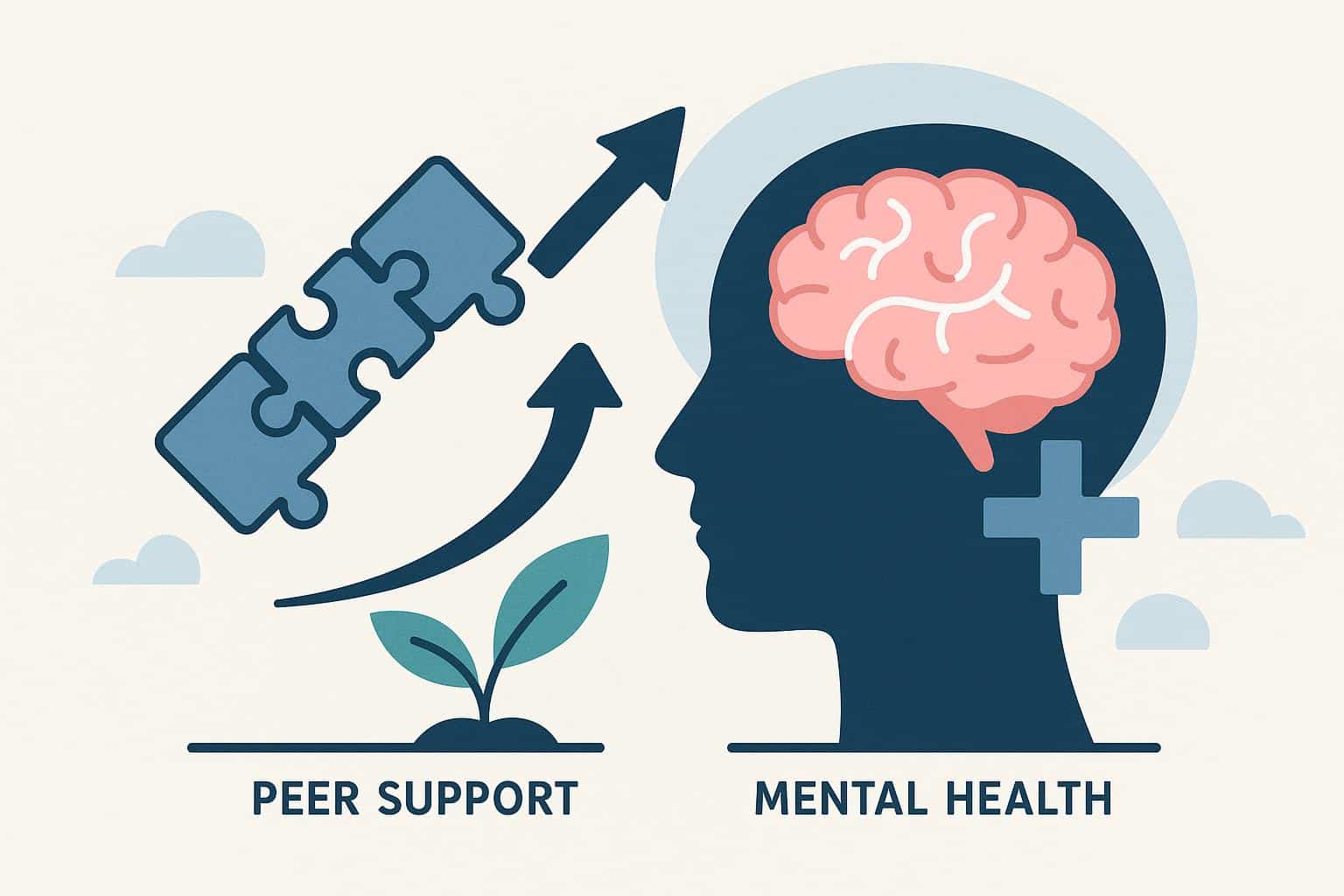
People navigating early recovery often benefit substantially from spending time around others who have lived through similar struggles, both for the practical modeling of healthy routines and for the sense of shared understanding that professional relationships, however skilled, cannot fully replicate. Some sober living communities have built their entire model around this principle, creating structured, peer-supported living environments that pair accountability with genuine shared experience.
The Shift Toward Integrated Mental Health Care
At the same time, treatment providers have moved decisively toward recognizing that a large share of individuals seeking addiction treatment are also managing an underlying mental health condition. Historically, these two areas were often treated as separate concerns, sometimes by entirely different providers with little coordination between them. This separation frequently left one condition undertreated even as progress was made on the other.
Modern behavioral health approaches increasingly treat mental health and substance use as connected parts of a single clinical picture. Some behavioral health programs have adopted this integrated model directly, screening for co-occurring conditions at intake and coordinating psychiatric and addiction-focused care under a single treatment team rather than through fragmented referrals.
Why These Two Trends Reinforce Each Other
Peer support and integrated mental health care might appear to address different aspects of recovery, but in practice, they tend to reinforce one another. A person receiving coordinated treatment for both a mental health condition and substance use is often better equipped to engage meaningfully with a peer support environment, since underlying symptoms that might otherwise interfere with connection and consistency are being addressed directly.
Conversely, a strong peer support network can make it easier for someone to stay engaged with mental health treatment during difficult periods, offering encouragement and accountability that helps sustain follow-through on a treatment plan over time.
What This Means for Treatment Providers
For treatment providers, this convergence suggests that the most effective programs going forward are likely to be those that intentionally combine structured clinical care with genuine opportunities for peer connection, rather than treating either element as a separate, optional add-on. Programs built around comprehensive intake assessment, coordinated mental health and addiction treatment, and structured peer environments appear to be increasingly favored as data continues to point toward better long-term engagement and outcomes under this combined model.
What This Means for Patients and Families
For individuals and families evaluating treatment options, this shift is worth factoring into the decision-making process. Asking specifically how a program screens for co-occurring mental health conditions, and what kind of peer support structure exists beyond formal clinical hours, can reveal whether a provider has adopted this more integrated approach or continues to operate under an older, more fragmented model.
The Bottom Line
Recovery models are increasingly built around the recognition that clinical treatment and human connection are not competing priorities, but complementary parts of the same process. As integrated mental health care and structured peer support continue to gain traction, treatment providers who combine both are likely to remain at the forefront of how addiction recovery is approached in the years ahead.

