


If you’ve spent any time in marketing recently, you know the story: visuals matter more than almost anything else. One blurry product shot, a half-pixelated banner, or an old scanned image and suddenly your campaign looks…well, cheap. And nobody wants that.
Visual marketing isn’t just about looking pretty—it’s about trust, credibility, and grabbing attention before people scroll past (which they do, like, constantly). That’s why AI image enhancement and its tool AI photo enhancer has gone from “nice to have” to “why you aren’t using it yet?” territory.
Why Visual Marketing Demands Higher Image Quality Than Ever
People skim. They scroll. They glance at a tiny thumbnail on Instagram or a product grid on Shopify and make a decision in under two seconds. Low-res images? They don’t just fail to impress, they can actively turn people off. A study by Venngage even says nearly 40% of users leave a website if images are bad. That’s a lot of potential eyeballs lost to pixel soup.
It is not only user attention that matters. Social media, selling sites and advertising networks value quality. Poor quality images can decrease users’ participation, worsen ads’ effectiveness, and even in some cases make your brand appear as if you do not care. Thus, better quality pictures are not a luxury—they are already the minimum requirement, and an enhancer that can unblur image helps ensure your visual meets that standard.
The Limitations of Traditional Image Editing
Photoshop, Lightroom, Illustrator…these tools were once the mainstay of all graphic design and still play a huge part in workflows. However, there is a downside to it—the manual correction of brightness, sharpness, or scratches takes ages if you plan to polish hundreds of images for a campaign. You spend hours, perhaps even days, on tasks that AI can complete in seconds.
Are you thinking of enhancing a vintage Instagram picture to put it on a billboard? Good luck with that! Upscaling 50 images in one go? No way. Traditional editing methods still give you a better picture, but they are slow, untidy, and often lead to something like…not quite right. Sharpened edges that look fake, colors that appear unnatural, or textures that do not seem to be real. It is ok for a hobbyist, but not for marketing that aims to win over people’s trust in a second.
How AI Image Enhancement Changes Marketing Workflows
Here’s the thing: AI doesn’t just fix images. It reshapes how marketers actually work. With AI enhancement, suddenly you can:
- Take a low-res photo and make it campaign-ready in seconds
- Restore old or user-generated content so it looks professional
- Remove unwanted objects or messy backgrounds instantly
- Sharpen text in PDFs, presentations, and manuals without squinting
Instead of spending half a day on a single asset, teams can now handle dozens—or hundreds—while keeping them all consistent. Workflows go from “ugh I need a new photo shoot” to “done, next.”
Artguru in Action: Solving Marketing Challenges
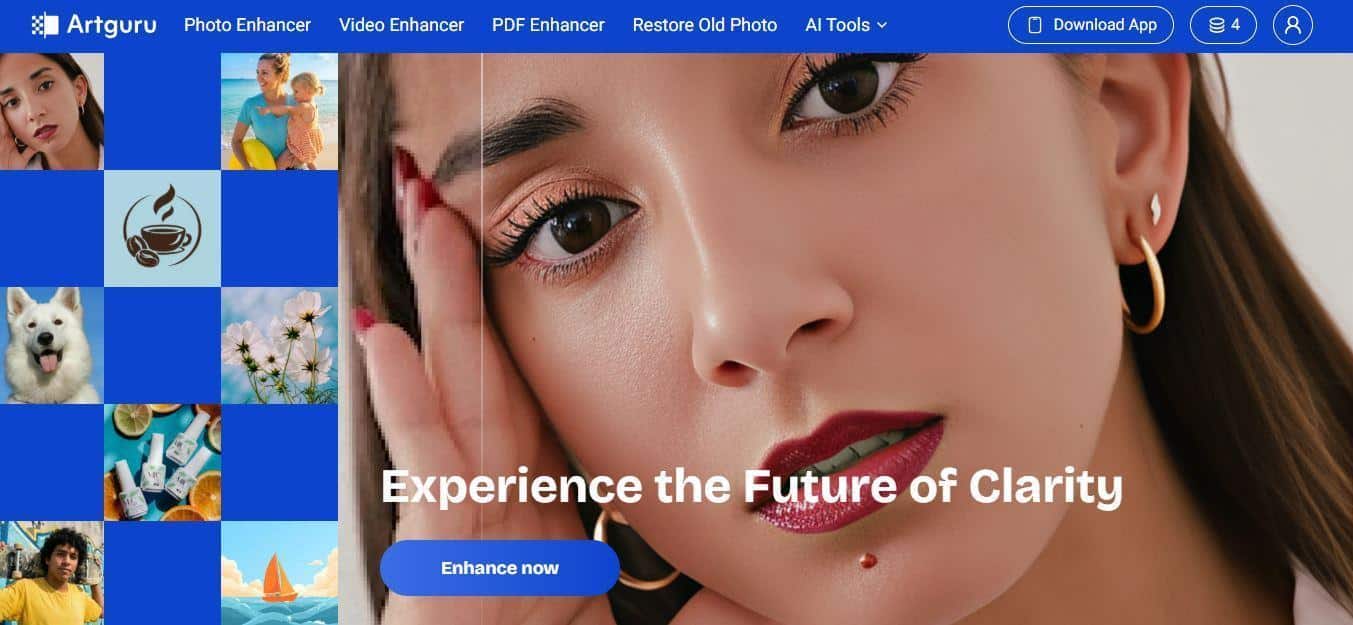
Artguru is a prime example of AI doing the heavy lifting. Let’s say your marketing library has product shots from years ago. Some were taken on old phones, some downloaded from vendors, and most are too low-res to use confidently. You could spend hours reshooting, or…you could just use Artguru.
- Photo Enhancer: Upgrade old pics to 4K, textures intact
- Image Upscaler: Go all the way to 8K for banners or print
- Old Photo Restoration: Fix scratches, faded colors, and bring memories back
- PDF Enhancer: Make brochures, manuals, and scanned content readable
- Object & Background Removal: Clean up messy elements instantly
Marketers I’ve talked to swear by it. They save hours per campaign, old assets suddenly feel new, and even tiny fixes—a shadow removed here, a scratch gone there—can completely change audience perception.
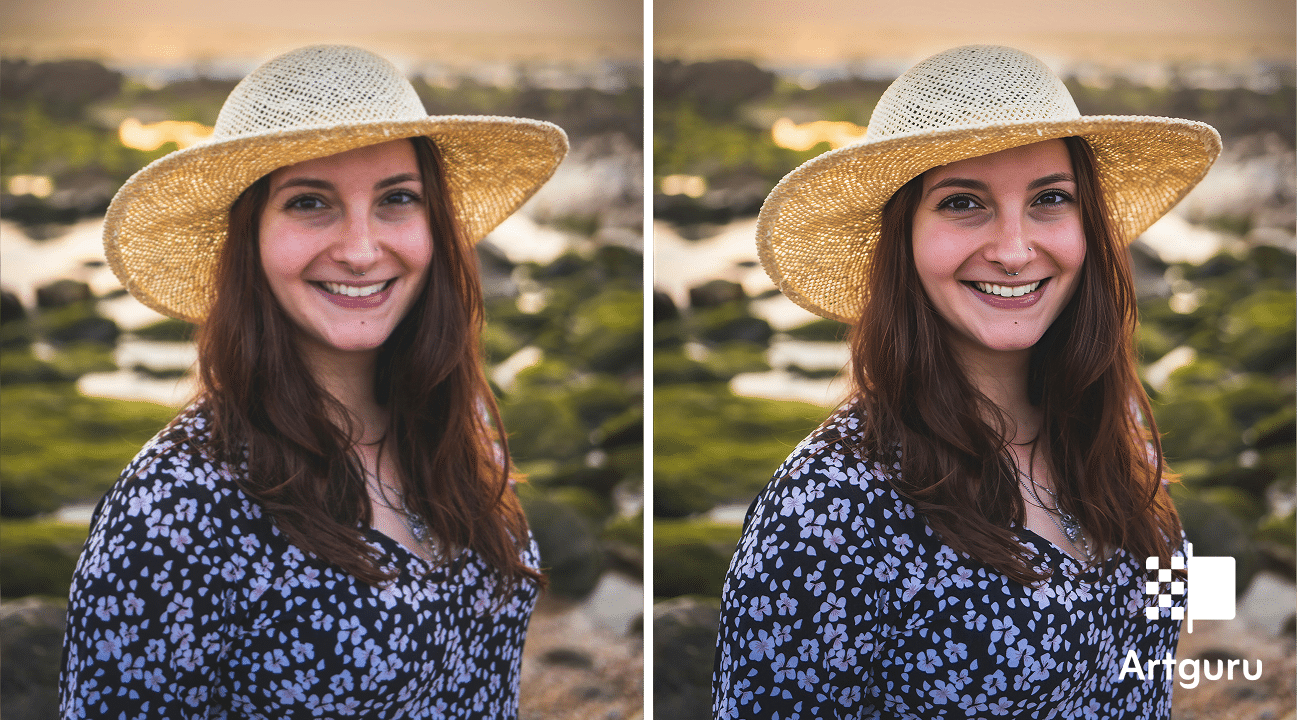
Enhanced by Artguru
From Asset Upgrade to Brand Impact
Upgrading visuals isn’t just a nerdy pixel thing. It’s brand impact. A crisp, professional image tells people your company cares about quality. It builds trust, reinforces brand identity, and makes every ad, post, or email look polished.
Little companies, massive advertising firms, and social media organizers, indeed, all can transform bad quality customer photos, past advertisement photos, and minuscule product pictures into sparkling ones. The output is more clicks, increased engagement, and more sales. However, Artguru only does picture retouching; it also improves the perception of the brand.
Conclusion
The summary is this: the visual marketing is very tough. The audience’s attention is brief, there is a lot of rivalry, and poor quality images might still ruin the results. While traditional image editing tools can somewhat help, they are still slow, inconsistent, and sometimes the visuals don’t look natural at all. AI image enhancement has completely changed the game with the depiction of Artguru Photo Enhancer—rapidly transforming blurry pictures, old assets, and disorganized PDFs into glossy, professional visuals. Companies will not only save their time but also keep their quality and present every campaign as high-quality without the hassle of endless manual work.
It upgrades assets, streamlines workflows, and amplifies brand impact—all without demanding hours of skill or patience. So if your visuals are holding you back, AI isn’t optional anymore. It’s the difference between “meh” and “wow, I want this.” And honestly, in today’s fast-moving digital world, you can’t afford to settle for “meh.”

