


Video games have always pushed the boundaries of technology, and now artificial intelligence is redefining what games can be. The role of AI in video games has grown from simple scripted behaviors in early arcade titles to complex systems that can adapt, learn, and respond to players in real time. Few technologies in recent memory have moved so quickly from research labs into everyday player experience. What once felt like science fiction is now standard practice across the industry.
The transformation of AI in the gaming industry goes far beyond better graphics or faster load times. While AI is increasingly woven into interactive entertainment, not every player wants their experience shaped by algorithms. Many are drawn to platforms where outcomes are determined by chance and personal decision-making. Such players often get Zula promo code to explore such alternatives. That contrast between AI-driven experiences and chance-based ones reflects just how broadly the word “gaming” now stretches.
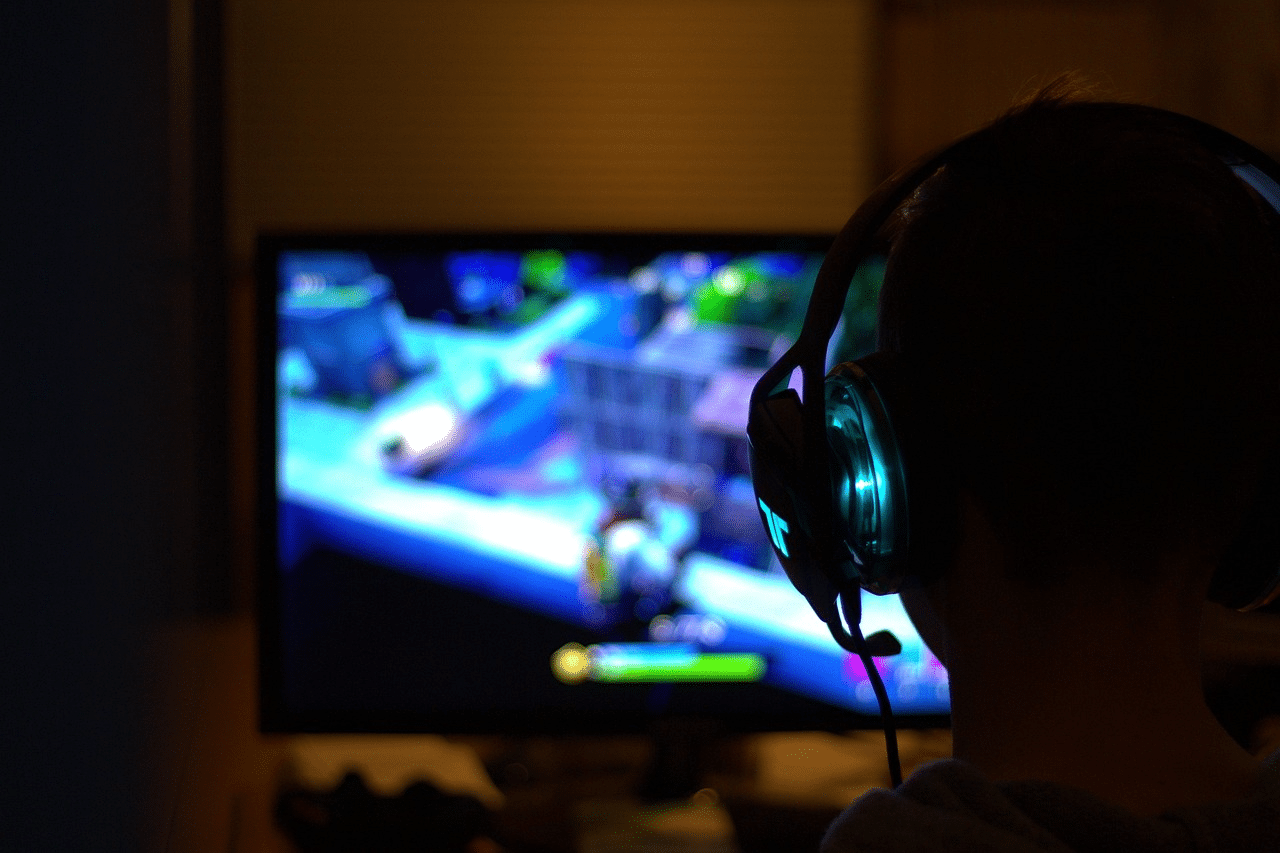
Smarter Worlds, Smarter Opponents
For decades, the enemies and companions, even in AI video games, followed predictable patterns that experienced players could exploit with relative ease. Modern AI systems have changed all of that.
For example, titles like Alien: Isolation and F.E.A.R. demonstrated years ago that AI gaming opponents could feel genuinely threatening when given perception systems, memory, and goal-based decision-making. Today, machine learning models allow characters to observe player behavior and counter it in ways that feel reactive rather than pre-written.
One of the most transformative applications of AI in game development is procedural content generation. Rather than hand-crafting every dungeon, landscape, or side quest, developers can use AI to generate vast amounts of content that feels distinct to each playthrough. No Man’s Sky is perhaps the most widely cited example, but the technique has since spread across genres, from roguelikes and open-world RPGs to survival titles and strategy games.
What makes this especially powerful is the combination of procedural systems with live behavioral data. When AI in games tracks how a player tends to explore, which combat approaches they favor, or which types of challenge they find most engaging, it can shape generated content to suit those patterns. The world effectively learns who is playing it. That kind of responsiveness changes the relationship between a game and its audience.
The Role of AI in the Development Pipeline
The future of gaming is shaped by what players experience as much as by how games are actually built. AI-driven testing tools can now run thousands of simulated playthroughs in the time a single human tester would take to complete one session. They can identify edge cases, balance issues, and collision errors at a scale no traditional QA team could match. Studios like Ubisoft and Electronic Arts have invested significantly in this kind of automated testing infrastructure.
Voice work and motion capture have also become far more efficient. Artificial intelligence in video games production can now generate realistic lip-sync animations directly from audio files, reduce the cost of facial capture rigs, and synthesize plausible voice lines for minor NPCs that would otherwise require expensive studio recording time.
Artificial intelligence in gaming development has entered a genuinely new phase with the widespread availability of generative models. Tools built on large language models can now draft dialogue trees, suggest quest structures, generate lore entries, and propose visual design concepts for creative teams to refine.
For example, Ubisoft developed its Ghostwriter tool specifically to help writers generate NPC dialogue at scale. This is not a replacement for humans. It is a rapid prototyping layer that allows designers to explore far more ideas in far less time.
The results are reshaping how studios operate. Writers collaborate with generation tools to stress-test storylines, and artists explore visual directions using image models before committing to expensive production assets. The relationship between AI and gaming professionals has become genuinely collaborative across the industry.
What Comes Next
Personalization at Scale

The most ambitious applications of AI for gaming center on true personalization, where every element of an experience is shaped around a player. Picture a game that adjusts its narrative based engagement patterns, generates side content based on demonstrated preferences, and introduces characters whose personalities evolve in response to your decisions. Some of this is already technically achievable, and the underlying technology is advancing at a pace that makes even cautious predictions feel conservative.
NVIDIA, Microsoft, and a growing number of independent studios are experimenting with AI-driven characters capable of holding open-ended conversations, maintaining memory of past interactions, and responding to context in ways that feel genuinely unscripted. The line between authored storytelling and dynamic simulation is beginning to blur in ways that were simply not realistic five years ago.
Challenges and Ethical Considerations
The future of game development will also require honest engagement with some genuinely difficult questions. When AI systems generate content, questions of authorship and ownership become complicated, and when AI characters build ongoing relationships with players, the line between healthy engagement and manipulation deserves serious scrutiny.
These are not theoretical concerns. Regulators in several countries are already examining how generative AI intersects with intellectual property law in creative industries, and games are a central part of that conversation.
Workforce Impact
While AI tools open new possibilities, they carry real risks for writers, artists, and quality assurance professionals who have built careers in this field. Entire disciplines within games production face genuine uncertainty as automation expands. The studios and platforms benefiting most from these tools have a responsibility to think carefully about how that transition is managed, and how the people most affected are supported along the way.
In a Nutshell
The current pace of change is unlike anything the games industry has seen before. Every major studio is investing in AI research, every platform holder is running experiments, and every player is already encountering AI systems, whether they recognize them or not.
The games of the next decade will be more responsive, more personal, and more complex than what is available today. That is both an extraordinary opportunity and a serious responsibility for everyone bringing them to life.

