


Fashion trends move faster today than at any other point in recent history. Social media platforms, celebrity influence, and constant exposure to new styles create an environment where trends can emerge overnight and disappear just as quickly. While some fashion movements become lasting staples, others generate excitement for a few months before quietly fading from wardrobes.
Most people have experienced purchasing a trendy item only to realize they rarely wear it once the initial excitement disappears. Often, the problem is not the quality of the clothing itself. Instead, the trend may not fit everyday lifestyles, prove difficult to style, or simply lose its appeal once the novelty wears off.
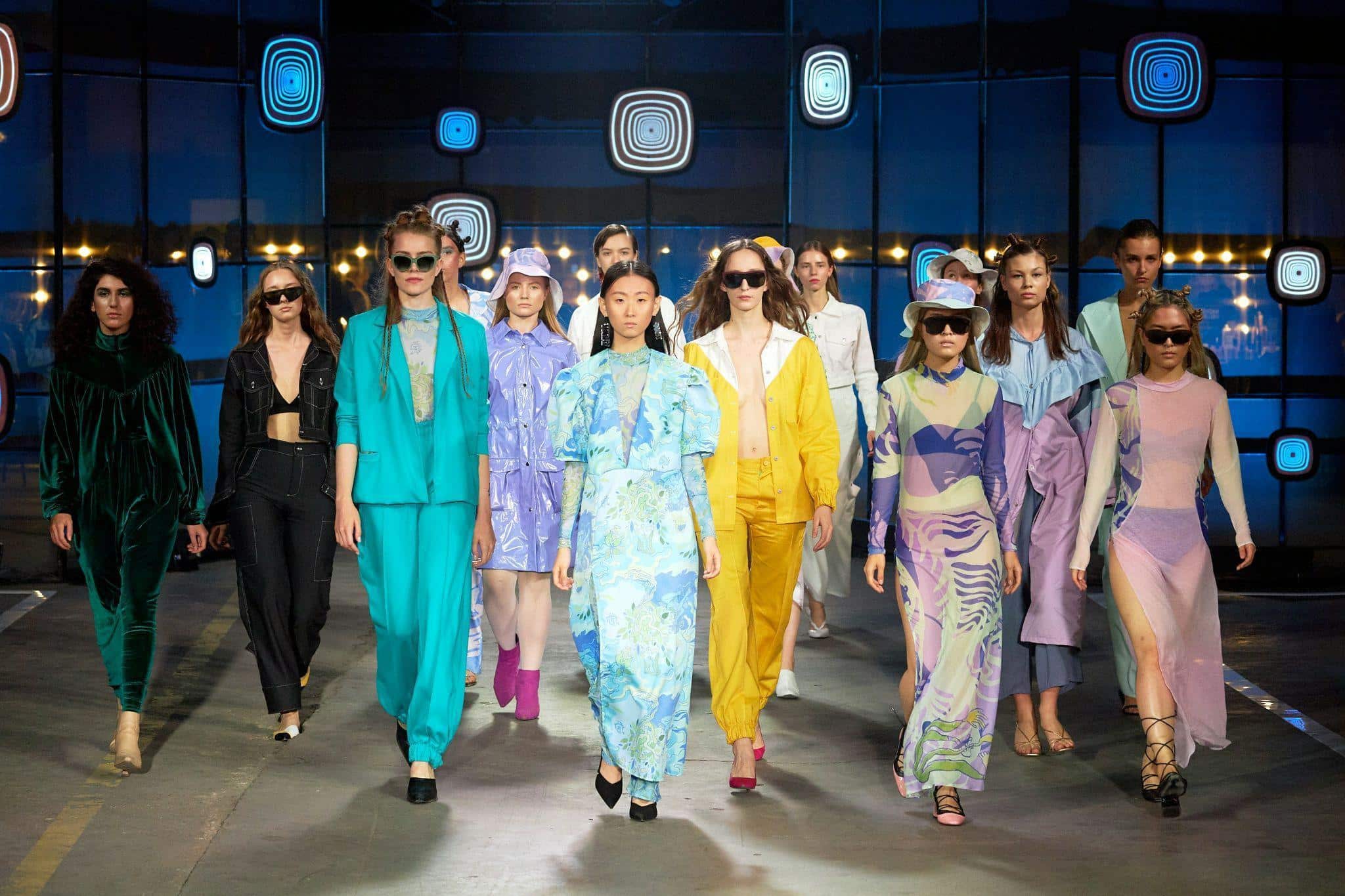
The trends that survive tend to offer versatility and practicality. The ones people abandon are often those that prioritize short-term attention over long-term wearability.
Trends That Require Too Much Maintenance Rarely Last
One of the biggest reasons certain fashion trends disappear quickly is that they demand too much effort.
Consumers may initially be attracted to a particular style because it looks impressive in photos or on social media. However, once they begin incorporating it into everyday life, they discover that maintaining the look requires more time and consistency than expected.
This pattern can be seen in both fashion and personal care. People often gravitate toward routines and products that deliver sustainable results rather than requiring constant adjustments. Discussions surrounding topics like Divi vs Vegamour reflect a broader consumer interest in comparing long-term approaches rather than chasing temporary solutions. The same principle often applies to fashion. Trends that require excessive effort frequently lose popularity once consumers return to their normal routines.
Styles that fit naturally into everyday life generally have much greater staying power than those that demand continuous attention.
Highly Specific Looks Often Feel Dated Quickly
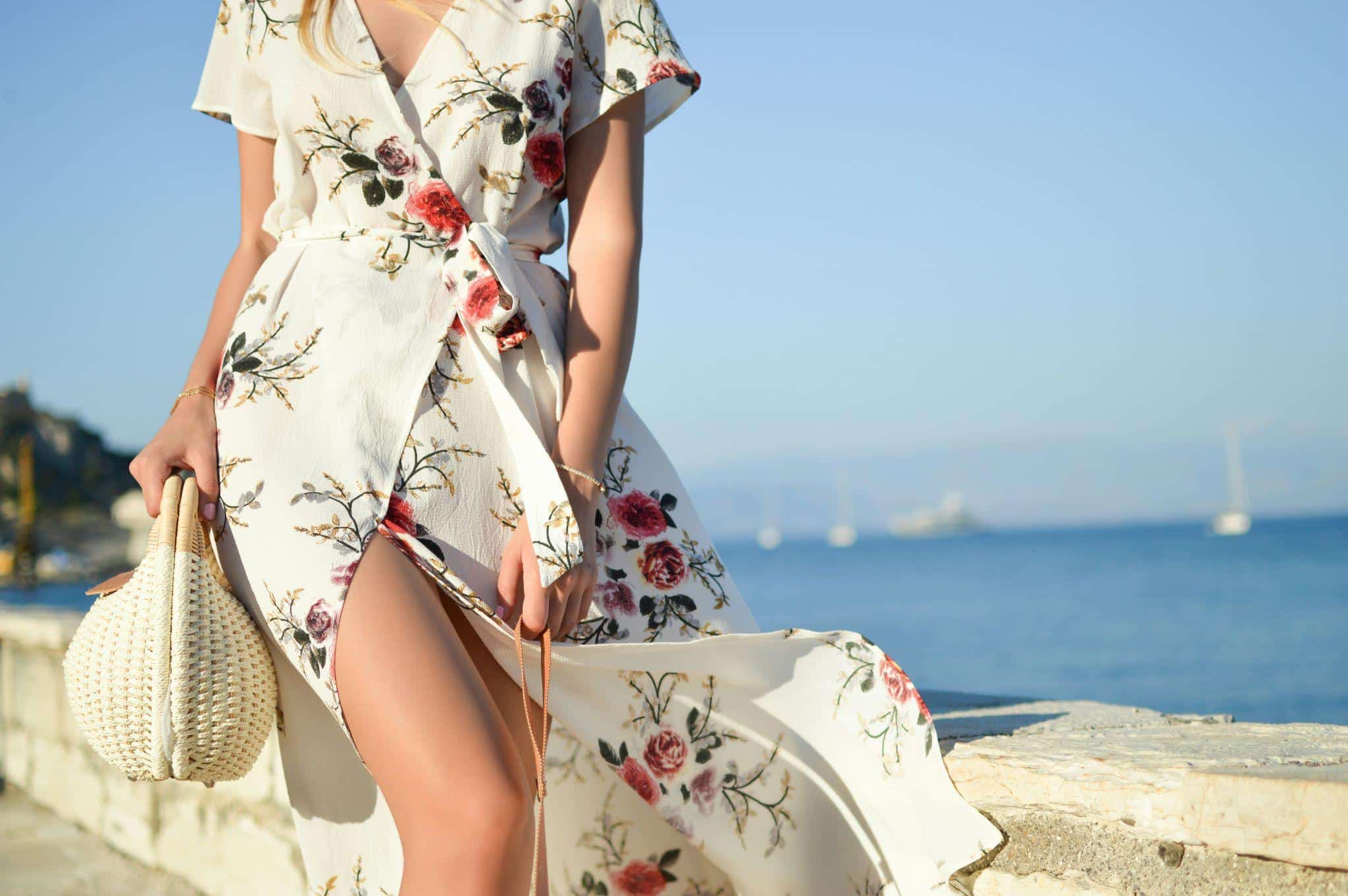
Another category that tends to disappear after a season involves highly specific fashion aesthetics.
These trends often become extremely popular because they create a strong visual identity. However, the more distinctive a trend becomes, the easier it is to associate it with a particular moment in time. Once that moment passes, many consumers begin looking for alternatives that feel more timeless.
People frequently discover that highly trend-driven purchases are difficult to combine with existing wardrobe pieces. As a result, those items end up worn less often than expected.
Retailers such as Tuchuzy operate within a fashion landscape where consumers increasingly balance trend awareness with versatility. Many shoppers are becoming more selective, looking for pieces that can remain relevant beyond a single season rather than focusing exclusively on whatever is currently attracting attention online.
The most successful wardrobes often combine a few trend-driven elements with a strong foundation of adaptable pieces.
Social Media Can Accelerate Trend Fatigue
Fashion trends once evolved over years. Today, they can feel overexposed within a matter of weeks.
Social media plays a significant role in this cycle. When consumers encounter the same style repeatedly across multiple platforms, excitement can quickly turn into fatigue. What initially feels fresh and innovative may begin to feel repetitive after constant exposure.
This accelerated trend cycle often causes people to lose interest more quickly than they would have in previous decades. By the time some consumers purchase a trend, they may already feel ready to move on to something new.
As a result, many fashion items experience a shorter lifespan in public attention even if they remain perfectly functional and wearable.
The Trends That Last Usually Solve a Real Need
When examining which trends survive, a common pattern emerges.
Styles that improve comfort, versatility, practicality, or confidence tend to remain popular much longer than those driven purely by novelty. Consumers are far more likely to continue wearing items that fit naturally into their daily lives.
This is why certain fashion staples remain relevant for years while other highly publicized trends disappear almost immediately. The enduring pieces usually provide value beyond appearance alone. They work in different settings, pair easily with other clothing, and remain useful regardless of shifting trends.
Fashion trends will always come and go, but the reasons people abandon them are often remarkably consistent. Trends that require excessive maintenance, feel overly specific, or rely primarily on short-term hype frequently struggle to survive beyond a single season. In contrast, styles that offer versatility, comfort, and practical value tend to remain part of people’s wardrobes long after the trend cycle has moved on. The most successful fashion choices are often not the ones that attract the most attention today, but the ones people still enjoy wearing a year from now.

