


Behavioral risk monitoring sounds like a cold compliance term, yet it touches very ordinary moments: a late-night login, a sudden betting spree, repeated angry messages to support, or an employee clicking strange files after midnight. The ethics start with a blunt question. Who gets watched, and who decides what the warning means? A bank, a gambling site, or a workplace safety team can spot patterns before real harm lands, but those patterns describe living people, not lab samples. In gambling, for example, consumer guides might compare safeguards beside a list of trusted review sources such as polskie kasyna online pages with trusted payouts, yet the same page can still collect behavioral clues. That tension deserves plain speech. Monitoring can protect someone in a bad hour, but it can also turn ordinary habits into a case file.
The line between care and control
Good monitoring has a narrow job. It looks for signs tied to harm, such as deposit chasing, threats of self-exclusion reversal, impossible work hours, or login bursts after a phishing email. It does not grade personality.
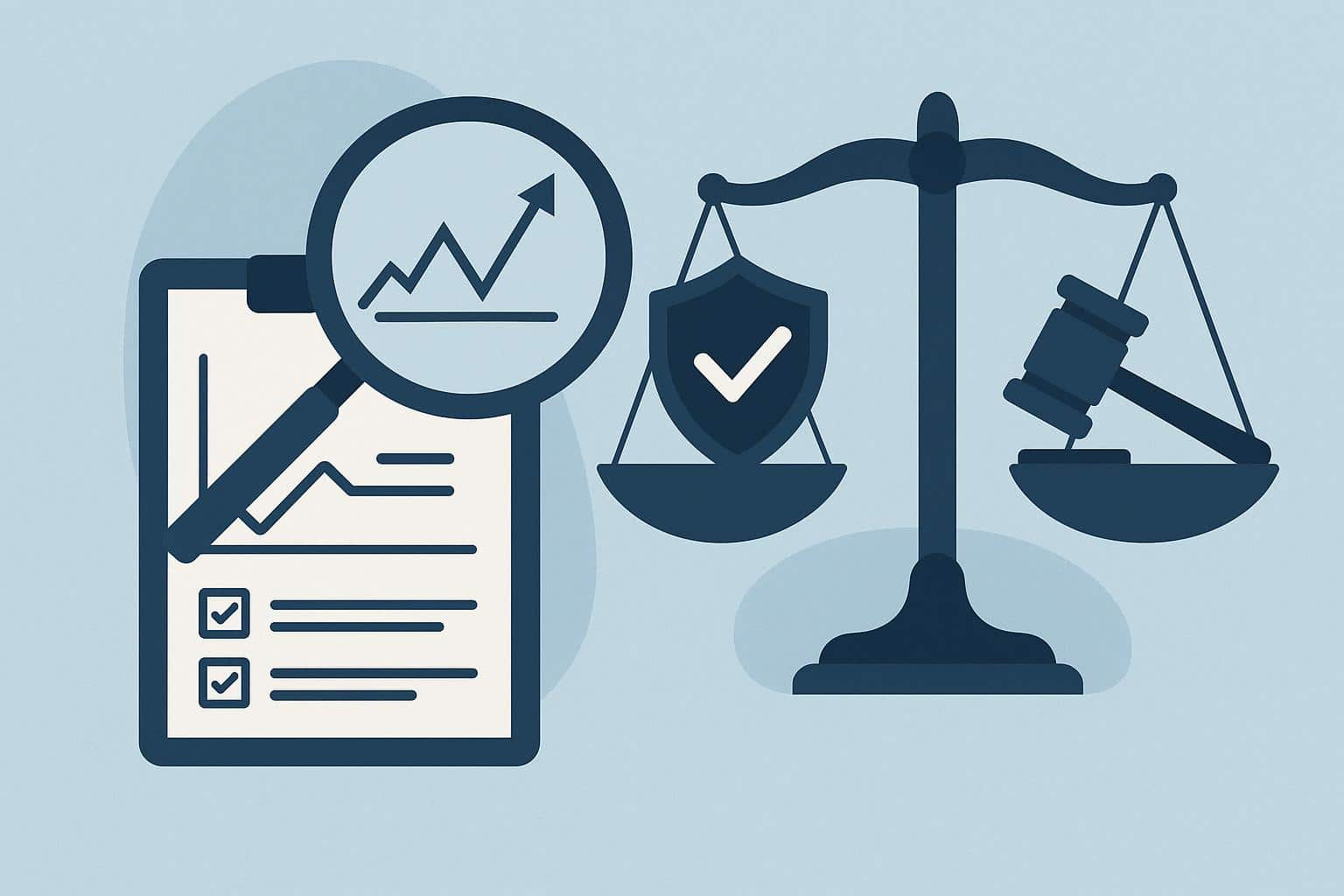
A public gambling source gives a useful contrast. Udenlandske casinoer reports, including https://www.maltatoday.com.mt/business/online-casinos/143150/udenlandsk-casino/, are checked as verified by players, while internal risk models are rarely open to the people they judge. That gap matters. If a system flags a person as risky, the person should know the broad reason, the possible outcome, and the human contact point.
Secrecy breeds fear. Clear limits build trust.
Consent that people can understand
Consent forms usually fail because they sound like contracts written for court. A cleaner notice says what is tracked, how long it stays, who reads it, and what action follows a red flag.
Short beats fancy.
For workers, that notice should name the data source. Keystrokes are different from badge entries. A casino session timer is different from a medical diagnosis. Mixing them without a tight reason crosses a line fast. A fair program also offers a real opt-out when the service is not tied to safety or legal duty.
Consent is weaker under pressure. An employee who fears losing shifts will click “agree” to almost anything. So an ethics review should ask whether refusal is realistic, not just whether a box was ticked.
False alarms and the cost of being wrong
No model sees the whole person. A parent working two jobs can look erratic. A gambler placing larger bets after a payday can look distressed. A nurse logging in at odd hours can look careless, even while covering an understaffed ward.
Labels stick.
The ethical test is not whether the alert has some math behind it. The test is what happens next. A soft check-in, written in normal language, respects dignity. An account freeze, police referral, or job penalty demands stronger evidence and quick appeal rights.
There should be a second human review before any serious action. The reviewer needs enough context to disagree with the software. If every alert becomes a rubber-stamped decision, the human is decoration, and the monitoring program has lost its moral cover.
Data minimisation in plain clothes
Risk teams love extra data because extra data feels safe. It is not. Collecting more than needed creates new ways to embarrass, profile, or punish people later.
Keep the dataset lean.
A safer design starts with a written harm list. For each harm, the team names the smallest signal that proves enough to act. If late-night gambling is the concern, session time and deposit speed can be enough; home address, device contacts, and private chat logs are excessive. If workplace fatigue is the concern, shift length matters more than bathroom breaks.
Retention needs a clock. Low-level alerts should expire after weeks, not sit for years. Old warnings have a habit of reappearing during promotions, credit checks, or account reviews. That is how a protection tool turns into a quiet blacklist.
Accountability cannot be outsourced to software
Vendors sell dashboards with clean charts and confident risk scores. The buying organisation still owns the harm. Blaming an algorithm after a bad suspension or missed crisis is like blaming a smoke alarm for a locked exit.
Someone must sign the policy.
Accountability means named owners, audit logs, and plain records of why a decision was made. It also means testing for bias before launch and after updates. If young men, night-shift staff, migrants, or disabled users get flagged at a higher rate, the team needs to show a real risk reason, not a lazy proxy.
Outside audits help, but public reporting helps more. A yearly note can publish alert counts, appeal success rates, data retention periods, and the number of serious interventions. Numbers make promises harder to fake.
A practical test before launch
Before launch, a team can run a simple exercise: write the story of a person wrongly flagged. Give that person a name, a job detail, and a bad week. Then trace every step the system takes.
Where does the alert go?
If the story ends with silence, shame, or no way to appeal, the design needs repair. If it ends with a calm message, a trained human, limited data, and a path back to normal, the program is closer to fair.
The best monitoring is boring in public and careful in private. It records less, explains more, and treats risk as a signal for help, not proof of guilt. Draft the wrong-person story.

