Microsoft says it has fixed a security issue in Microsoft Entra Connect Health that allowed unauthorized access to customer tenant contact and configuration metadata. The company deployed a server-side fix on November 19, 2026, and notified affected customers through Azure Service Health.
The incident did not expose passwords, password hashes, authentication tokens or valid cryptographic keys, according to a customer notification described by BleepingComputer. But the information reportedly accessed includes administrator and technical-contact email addresses alongside details that can help an attacker tailor a convincing message to an organization’s identity team. For enterprises already facing a steady stream of credential-theft attempts, that is a consequential boundary even if the underlying identity systems were not directly breached.

What Microsoft says was accessed
Entra Connect Health is a monitoring service for organizations operating hybrid identity infrastructure, including Microsoft Entra Connect synchronization. It is designed to give administrators visibility into the health of systems that connect on-premises directories with Microsoft’s cloud identity platform. Microsoft has previously described Entra Connect Health as part of the operational tooling organizations use in hybrid identity deployments, where security depends as much on protecting administrative paths as on protecting user sign-ins.
Microsoft told BleepingComputer that it had identified and addressed a flaw that could have resulted in unauthorized access to tenant-level contact and configuration metadata. A customer notification reported by the publication says Microsoft later determined that unauthorized read-only access to metadata associated with recipients’ organizations had occurred. Microsoft said it found no unauthorized configuration changes.
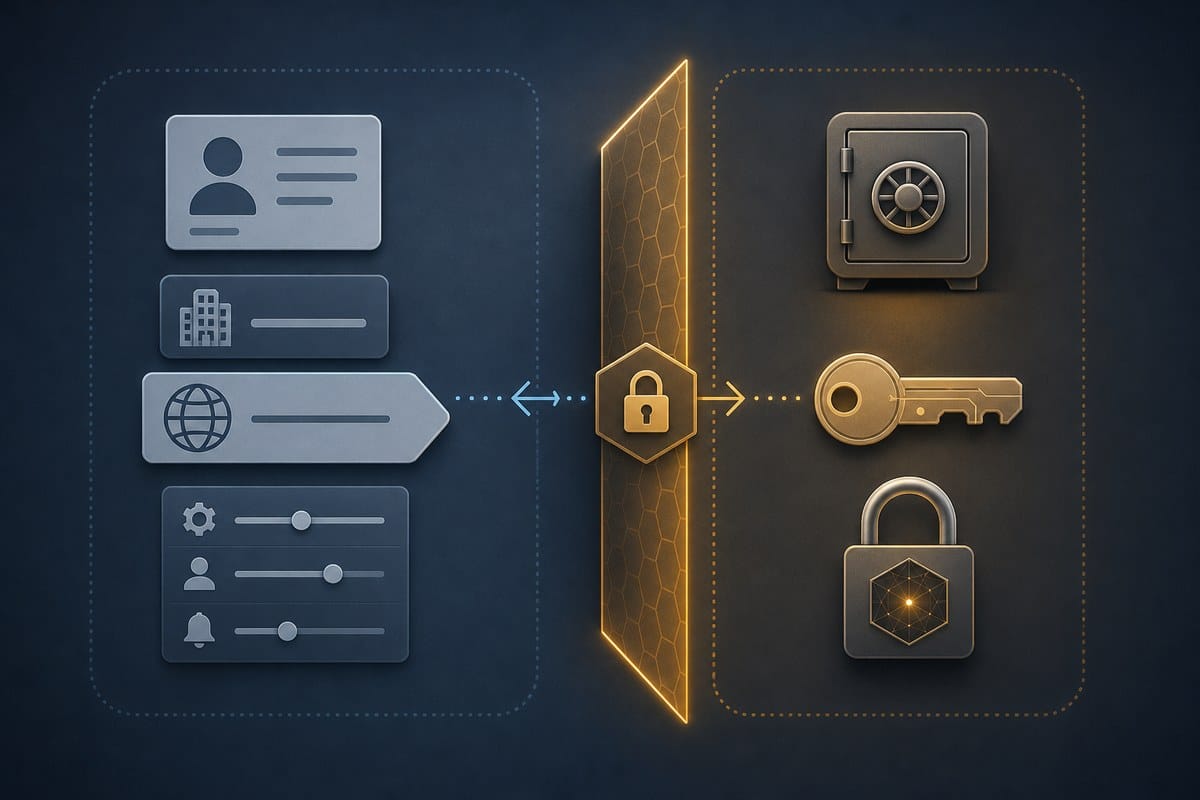
The reported data categories are unusually useful for reconnaissance without being authentication material. They include technical-contact and administrator email addresses; tenant IDs, display names, initial domain names, country codes and regional information; license tiers; directory-synchronization status; and Connect Health onboarding status. Taken together, those fields can tell a criminal who to impersonate, which organization to name, and whether a message about synchronization or identity monitoring is likely to sound plausible.
The notification also said an expired certificate formerly used to register Connect Health agents with a Microsoft internal service was returned by the affected API. Microsoft said the associated internal service had been decommissioned in late 2024. The company said the issue did not expose valid keys, and there is no basis in the available account to treat the expired certificate as a usable credential.
A limited scope, but a useful phishing dataset
The distinction between metadata access and a compromise of a customer’s tenant is important. Microsoft did not report exposure of Azure subscription information, on-premises server details, Active Directory topology, password data or working authentication artifacts. Nor did it report unauthorized changes to Connect Health configuration. The incident therefore should not be read as evidence that affected organizations’ Entra tenants or local directory systems were taken over.
Still, security incidents do not need to yield a password database to create operational risk. A message sent to a named administrator, referring to the company’s actual tenant domain and suggesting a problem with directory synchronization or a monitoring agent, has a better chance of clearing the initial skepticism that defeats generic phishing. Privileged identity personnel are especially attractive targets because a single successful social-engineering attempt can open a much larger route into an organization.
Microsoft’s published guidance on preventing cloud identity compromise emphasizes protecting privileged accounts with stronger authentication and limiting standing administrative access. Those principles, set out in a Microsoft Incident Response discussion of cloud identity security, are relevant here even though that 2023 post does not describe this incident. Phishing-resistant multifactor authentication can reduce the value of a stolen password, but it does not eliminate the need for administrators to verify unexpected support requests and change notifications through trusted channels.
According to the reported customer notice, Microsoft advised affected organizations to watch for targeted phishing and social-engineering activity, use phishing-resistant MFA for privileged accounts, review Connect Health configuration, and examine Entra audit and sign-in logs. The company also said no customer software update or other action is required to close the vulnerability itself because the fix was applied on Microsoft’s side.
The timeline leaves key questions unanswered
The customer notification gives the episode a relatively clear remediation timeline. It says the vulnerable API behavior was introduced on July 23, 2026; Microsoft discovered the issue on November 9; the company deployed its fix on November 19; and it concluded on November 20 that unauthorized read-only access had taken place. Microsoft publicly confirmed the remediation and customer notifications in a statement reported November 21.
Those dates should not be mistaken for an account of attacker activity. The July introduction date is when the vulnerability was reportedly introduced, not proof that exploitation began then. Microsoft has not disclosed when unauthorized access started, how long it lasted, how many organizations were affected, or who carried it out. It also has not publicly detailed how the flaw was discovered or whether access came from one party or several.
There is a further practical limit to post-incident checking. Current Connect Health settings and current tenant metadata can help administrators understand what information their organization has in the service, but they cannot establish precisely which fields an unauthorized party viewed at a particular time. That makes Microsoft’s own access records and the company’s notifications especially significant for affected customers.
Microsoft said it has provided guidance and support to those customers. Without a public incident advisory containing victim counts or forensic detail, the available picture remains bounded: an API issue in a cloud monitoring service exposed tenant-level contact and configuration data, Microsoft fixed it, and the remaining danger is less about immediate reuse of stolen secrets than about whether the information is used to make the next phishing attempt more credible.