


A furnace is a long-term investment that quietly supports comfort, safety, and daily living throughout colder seasons. Despite its importance, many homeowners only think about their furnace when something goes wrong. This often leads to confusion between furnace maintenance and furnace repair, two terms that are frequently used as if they mean the same thing. In reality, they represent very different approaches to caring for a heating system. We will explore how these approaches differ in purpose, timing, cost expectations, and long-term impact on system performance. Understanding this distinction helps homeowners respond more calmly to heating concerns and plan smarter strategies that reduce stress, unexpected expenses, and system downtime.
Understanding the Functional Divide Between Maintenance and Repair
- Preventive Care Versus Problem Correction
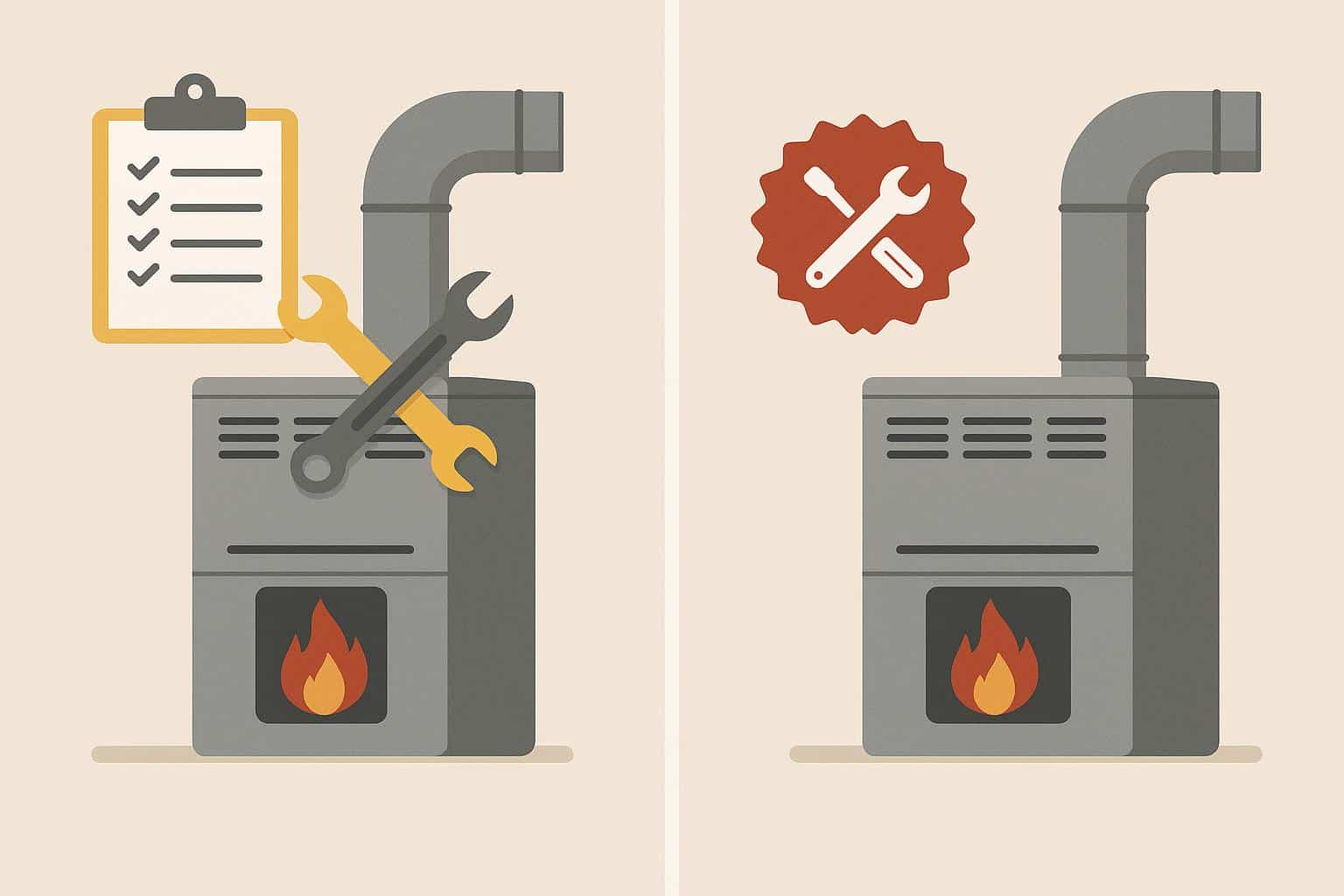
Furnace maintenance is built around prevention and consistency rather than correction. It involves routine checkups to keep the heating system operating within stable, efficient parameters. Homeowners who work with a top-rated HVAC company in Peoria AZ can ensure that components are examined for early signs of wear, airflow pathways are cleared, and system settings are adjusted to support smooth operation. These tasks are performed even when the furnace appears to be working without issues. The goal is not to fix a broken system, but to ensure that small inefficiencies do not evolve into larger problems. Over time, dust buildup, minor alignment shifts, and normal mechanical fatigue can quietly strain the system. Maintenance addresses these subtle changes early, helping the furnace run more evenly and with less internal stress. This proactive approach is especially valuable during peak heating seasons, when the furnace runs for extended hours, and reliability is essential for household comfort.
- Reactive Solutions for Active Malfunctions
Furnace repair operates on a different principle, focusing on resolving an existing malfunction that has already affected system performance. Repair services are usually initiated after the homeowner notices a problem, such as uneven heating, strange sounds, frequent cycling, or a complete loss of heat. Unlike maintenance, repair work targets a specific failure point within the system. This might include replacing a worn electrical component, addressing ignition issues, correcting airflow blockages caused by damaged parts, or restoring proper thermostat communication. Repair is inherently reactive, meaning the issue has already progressed far enough to disrupt normal operation. While repairs are sometimes necessary and unavoidable, they often come with greater urgency and inconvenience, particularly when heating is lost in cold weather. This reactive nature is what makes repair fundamentally different from maintenance.
- Scheduled Planning Versus Unexpected Disruption
Timing and predictability further separate furnace maintenance from furnace repair. Maintenance is scheduled in advance, often annually, allowing homeowners to choose a convenient time for service. Because the process follows a standard checklist, both the duration and cost tend to be predictable. This predictability allows maintenance to be incorporated into routine household planning rather than treated as an emergency. Repairs, by contrast, are rarely planned. They tend to occur suddenly, often during periods of heavy furnace use when components are under the most strain. Emergency repairs can disrupt daily routines, require immediate decisions, and sometimes involve higher costs due to urgency. The contrast between scheduled maintenance and unplanned repair highlights how each serves a different role in overall system care.
- Cost Stability Versus Variable Expense
The financial implications of maintenance versus repair are also notably different. Maintenance costs are generally consistent and manageable, reflecting the routine nature of the service. Homeowners can view these expenses as part of ongoing system care, similar to regular vehicle servicing. Repair costs, however, vary widely depending on the severity of the issue and the components involved. A minor repair may be relatively simple, while more extensive failures can lead to higher expenses and longer service times. When repairs occur without a history of routine maintenance, problems may be more complex due to accumulated wear. This does not mean repairs can always be avoided, but it does show how maintenance helps control long-term costs by reducing the likelihood of sudden, large-scale failures.
- Supporting Longevity Versus Restoring Function
System lifespan is another area where the difference between maintenance and repair becomes clear. Regular maintenance supports longevity by keeping components clean, balanced, and operating within their intended ranges. When parts work together smoothly, the system experiences less friction and mechanical strain over time. This steady operation can delay the need for major component replacements. Repairs, while critical when failures occur, do not reverse overall system aging. They address individual problems but cannot eliminate the cumulative effects of years of use. In systems that rely heavily on repair rather than routine maintenance, repeated failures may become more frequent, indicating that the furnace is under ongoing stress. Understanding this distinction helps homeowners view maintenance as a long-term preservation strategy, while repairs are necessary interventions when problems arise.
Furnace maintenance and furnace repair serve distinct but complementary roles in responsible heating system care. Maintenance is proactive, predictable, and focused on sustaining consistent performance through routine attention. Repair is reactive, situation-specific, and centered on restoring functionality when something goes wrong. Both are necessary, but they should not be viewed as interchangeable. Maintenance helps reduce stress on the system, manage costs over time, and support long-term reliability, while repair addresses unavoidable breakdowns that interrupt normal operation. By understanding these differences, homeowners can adopt a more balanced approach to furnace care, one that prioritizes preparation while remaining ready to respond when repairs become necessary.

