


Construction, utility, and infrastructure projects often involve working around existing roads, footpaths, trenches, and underground services. Maintaining safe access while keeping projects moving efficiently can be a challenge. One practical solution widely used across many industries is the temporary use of steel road plates.
Rather than purchasing equipment that may only be needed for a specific project, many contractors choose to hire steel road plates when required. This approach offers flexibility, cost savings, and convenience while helping maintain safety and accessibility on-site.
- What Are Steel Road Plates?
- Why Steel Road Plates Are Commonly Used
- Benefits of Hiring Steel Road Plates
- Lower Upfront Costs
- Access to the Right Size and Quantity
- Reduced Storage Requirements
- Maintenance and Compliance
- Common Applications for Steel Road Plates
- Factors to Consider When Hiring Steel Road Plates
- How Steel Road Plates Support Project Efficiency
- Conclusion
What Are Steel Road Plates?
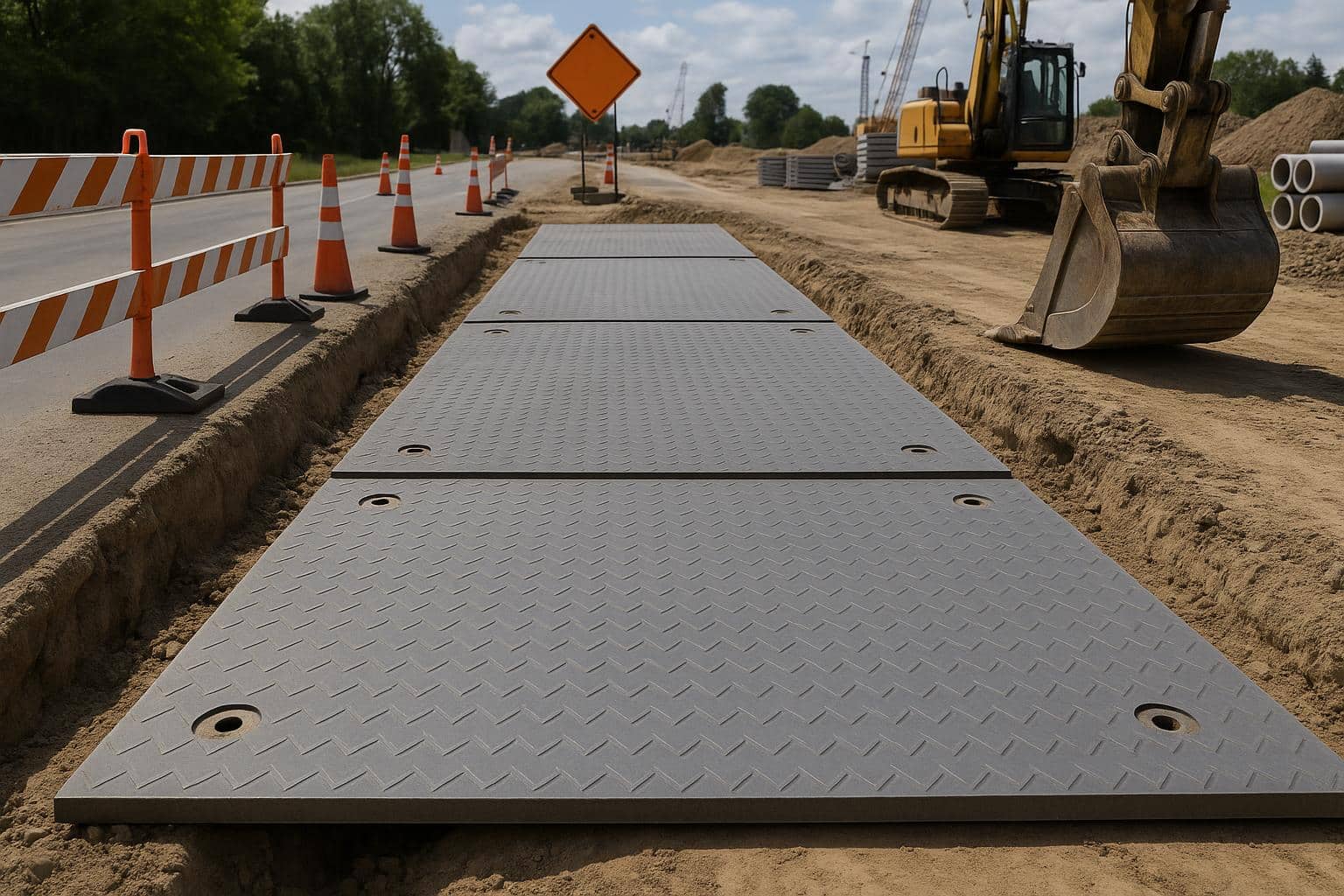
Steel road plates are heavy-duty steel panels designed to temporarily cover excavations, trenches, or uneven ground surfaces. They create a stable and secure surface for vehicles, machinery, and pedestrians to pass over while work continues below or nearby.
Made from high-strength steel, these plates are engineered to withstand significant loads and harsh site conditions. Their durability makes them suitable for a wide range of short-term and long-term projects.
Why Steel Road Plates Are Commonly Used
Maintaining Traffic Flow
One of the biggest challenges during construction is minimizing disruption to road users. Open trenches or excavations can create hazards and force road closures.
Steel road plates allow traffic to continue moving over work areas safely. This helps reduce congestion and inconvenience while allowing contractors to complete essential work beneath the surface.
Improving Site Safety
Safety is a top priority on any project. Uncovered excavations can pose risks to workers, pedestrians, cyclists, and motorists.
By covering exposed areas, steel road plates help create safer environments and reduce the likelihood of accidents. They also help define access routes and protect people from unexpected hazards.
Supporting Heavy Loads
Construction sites often involve heavy vehicles, machinery, and equipment. Steel road plates are designed to handle substantial weight, making them suitable for temporary crossings and access routes.
Their strength allows projects to continue operating efficiently without compromising ground stability or safety.
Benefits of Hiring Steel Road Plates
Lower Upfront Costs
Purchasing steel road plates can require a significant investment, especially for businesses that only need them occasionally.
Hiring allows contractors to access the equipment they need without the large capital expense. This can help improve project budgeting and cash flow management.
Access to the Right Size and Quantity
Different projects require different plate sizes and load capacities. Hiring providers often offer a range of options to suit varying project requirements.
This flexibility allows businesses to obtain exactly what they need without maintaining a large inventory of equipment.
Reduced Storage Requirements
Steel road plates are large, heavy items that require secure storage when not in use.
Hiring eliminates the need to find storage space between projects, reducing logistical challenges and associated costs.
Maintenance and Compliance
When equipment is hired, maintenance and inspections are often handled by the supplier. This can help ensure the plates remain in good condition and meet relevant safety standards.
Contractors can focus on project delivery rather than equipment upkeep.
Common Applications for Steel Road Plates
Utility and Service Installations
Utility companies frequently use steel road plates when installing or repairing underground services such as water, gas, telecommunications, and electricity networks.
The plates help maintain access while work is carried out below ground.
Road and Highway Projects
Road upgrades, resurfacing projects, and infrastructure improvements often require temporary trench coverage and traffic management solutions.
Steel road plates provide a practical way to keep roads operational during construction activities.
Emergency Repairs
Unexpected infrastructure failures can require urgent excavation work. In these situations, steel road plates can quickly restore access while permanent repairs are completed.
This is particularly important in busy urban areas where traffic disruptions can have significant impacts.
Construction Site Access
Building projects may require temporary access routes across soft ground, trenches, or uneven terrain.
Steel road plates can help create stable surfaces for vehicles, equipment, and workers, improving efficiency and reducing delays.
Factors to Consider When Hiring Steel Road Plates
Load Requirements
Different projects place different demands on road plates. Understanding the expected vehicle weights and traffic volumes is essential when selecting the appropriate plates.
Plate Size
The dimensions of the excavation or area being covered will determine the size and number of plates required. Proper sizing helps ensure stability and safety.
Installation Requirements
Because steel road plates are extremely heavy, specialized equipment may be needed for transportation and installation. Planning these logistics in advance can help avoid delays.
Project Duration
The length of the project will influence hiring arrangements. Understanding how long the plates will be needed can help improve scheduling and cost management.
How Steel Road Plates Support Project Efficiency
Construction projects often operate under tight deadlines and budgets. Delays caused by access issues, safety concerns, or traffic disruptions can quickly increase costs.
Steel road plates help address many of these challenges by providing a temporary yet reliable solution for maintaining access and protecting work areas. Their versatility allows them to be used across a wide range of industries and project types.
By enabling work to continue safely while minimizing disruptions, steel road plates contribute to smoother project delivery and improved operational efficiency.
Conclusion
Steel road plates play an important role in modern construction, infrastructure, and utility projects. They provide a practical solution for covering excavations, maintaining access, supporting heavy loads, and improving safety.
Hiring steel road plates offers additional advantages, including reduced upfront costs, greater flexibility, and easier equipment management. Whether used for planned construction work or emergency repairs, they help keep projects moving while minimizing disruption to workers, road users, and the surrounding community.

