


Tesla has taken the California Department of Motor Vehicles to court, seeking to overturn a state ruling that the company’s marketing overstated the automated driving capabilities of its vehicles. The move revives a dispute many thought was winding down after the regulator stopped short of suspending Tesla’s licenses and the automaker stripped “Autopilot” from its California marketing — and, more dramatically, discontinued Autopilot in the U.S. and Canada. CNBC first reported the lawsuit.
What the DMV Decided and Why It Matters Today
The DMV previously concluded that Tesla’s branding and claims around Autopilot and related features could mislead consumers into believing the cars could drive themselves, in violation of state law governing advertising for driver-assistance and autonomous systems. An administrative law judge agreed with the DMV’s request to penalize Tesla, recommending a 30-day suspension of the company’s sales and manufacturing licenses in California.
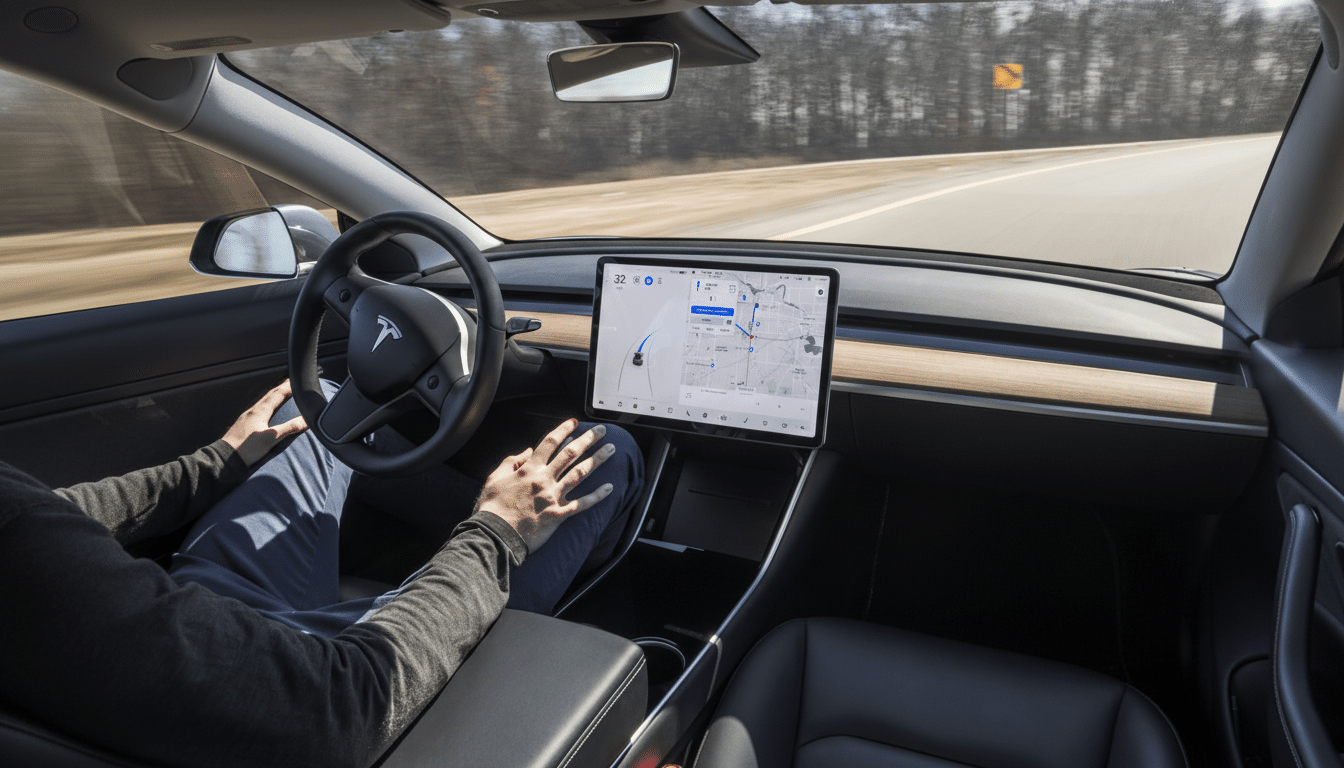
In a notable show of restraint, the DMV chose not to pull the licenses, instead giving Tesla 60 days to comply. Tesla did so, removing the Autopilot label in California marketing and, in January, discontinuing the Autopilot feature altogether across the U.S. and Canada. The new lawsuit suggests Tesla wants to clear the record — and possibly preserve room to reintroduce branding or functionality without running afoul of the ruling.
Tesla’s Legal Gamble and the High Stakes Ahead
For Tesla, the case is about more than a name. Autopilot has long been central to the company’s identity and perceived technology lead. A sustained finding of deceptive marketing could chill how all automakers describe advanced driver-assistance systems, especially in California, the largest U.S. EV market and a bellwether for transportation policy.
California has sharpened its rules on how companies can market automation, pushing for plain-language descriptions and clear disclosures that systems require active human supervision. A court win for Tesla could narrow how aggressively state regulators apply those standards; a loss could cement stricter limits that ripple beyond California.
Safety Scrutiny Shapes The Legal Backdrop for Tesla
The legal fight lands amid intensifying federal oversight. The National Highway Traffic Safety Administration required Tesla to recall more than 2 million vehicles to add Autopilot safeguards, including stricter driver monitoring and engagement prompts. Federal regulators later opened a probe into whether those changes were effective, reflecting ongoing concern that drivers may over-rely on assistance features.
California regulators have also shown they will act decisively when they see public risk. The DMV suspended another company’s robotaxi permit after a high-profile safety incident, signaling that the state will curb operations or branding when it believes safety or consumer understanding is compromised. Against that backdrop, Tesla’s bid to overturn the deceptive-marketing ruling tests the boundary between innovation messaging and consumer protection.
What Changes Drivers Could See Next on Their Cars
Regardless of the court outcome, the industry is shifting toward plainer labels, tighter driver monitoring, and clearer disclosures about system limits. Expect more emphasis on features like hands-on steering requirements, gaze tracking, and speed restrictions tied to road type — elements regulators say reduce misuse and overconfidence.
For Tesla owners, the near-term impact is mostly about terminology and access. The company already removed Autopilot branding in California marketing and halted the feature itself in North America, while continuing to sell its more advanced supervised system as a separate add-on. Any legal clarity could affect whether Tesla restores previously available functions, how it frames them, and how much friction (disclaimers, prompts, or driver checks) users encounter before activation.
California’s Market Clout Raises The Stakes
California remains Tesla’s most consequential arena. The state consistently leads U.S. EV adoption, with zero-emission vehicles comprising a rising share of new car sales according to the California Energy Commission, and Tesla models frequently topping the California New Car Dealers Association rankings. A precedent here will influence not only Tesla’s playbook but also how competitors name and market driver-assistance features nationwide.
The lawsuit ensures the debate over Autopilot-era marketing doesn’t fade. Instead, it will likely define how American drivers are told — and reminded — what their cars can and cannot do, as regulators and automakers negotiate the line between ambition and accuracy.

