


A new reader survey from a major mobile tech outlet suggests the foldable phone has crossed a crucial psychological threshold. Of just over 2,500 respondents, 84.4% said they would use a foldable as their daily driver, a decisive vote of confidence that signals the form factor has shed its novelty status.
A Clear Shift in Consumer Sentiment on Foldables
The latest poll marks a sharp turn from an earlier iteration of the same question, when only 26.2% answered “yes,” 32.7% said “no,” and 41.1% opted for “not yet.” Consumers who once hovered on the sidelines now appear ready to commit, suggesting that the mix of maturing hardware, better software, and more competitive pricing has finally tipped the scales.
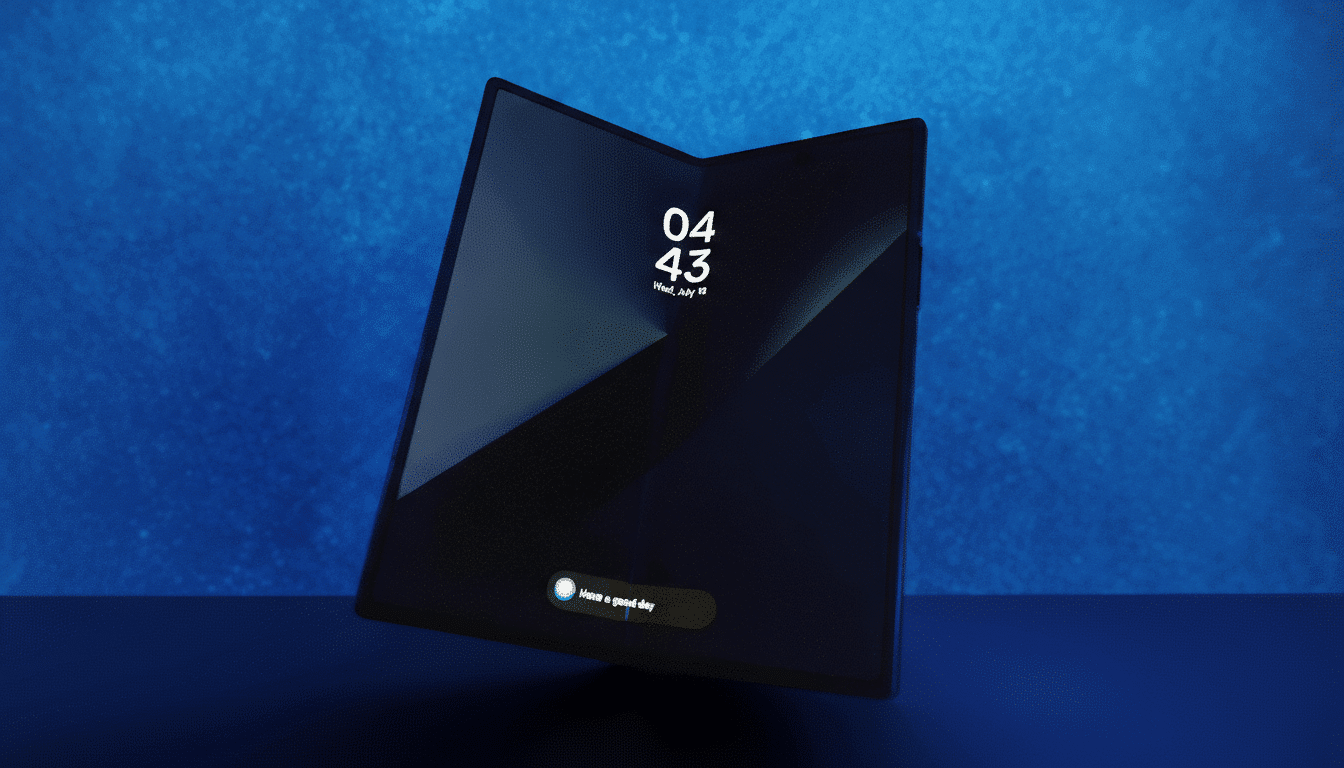
It’s worth noting that any reader survey reflects the interests of a tech-forward audience, and results might skew more adventurous than the broader market. Even so, the magnitude of the swing is hard to ignore and broadly aligns with analyst snapshots of sustained growth in foldable shipments worldwide.
Why The Foldable Proposition Finally Clicked
Durability has been the make-or-break factor. Second- and third-generation hinges now resist wobble and stress, ultra-thin glass stacks are tougher, and crease visibility has eased on several models. Water resistance has become table stakes for premium book-style and clamshell designs, though dust ingress remains a challenge industry-wide.
On the software side, Android’s large-screen features and vendor optimizations have matured. Persistent taskbars, split-screen presets, and app continuity between outer and inner displays remove the friction that once made foldables feel like prototypes. Camera parity has improved too, with periscope zoom and larger sensors no longer reserved solely for slab flagships.
Pricing and promotions also helped. Entry clamshells regularly drop below the traditional flagship threshold during sales, trade-in values are stronger, and multi-year warranty options calm lingering anxiety. Carriers have leaned in with aggressive financing, making the leap to a foldable feel less like a gamble.
Numbers Backing the Momentum for Foldable Phones
Market trackers reinforce the sentiment shift. Counterpoint Research and Canalys both report double-digit year-over-year growth for foldables, with annual volumes approaching 20 million units worldwide. IDC estimates foldables now account for roughly 1 to 2% of the global smartphone market, a small slice that is expanding as clamshells lead share and book-style devices push premium ASPs higher.
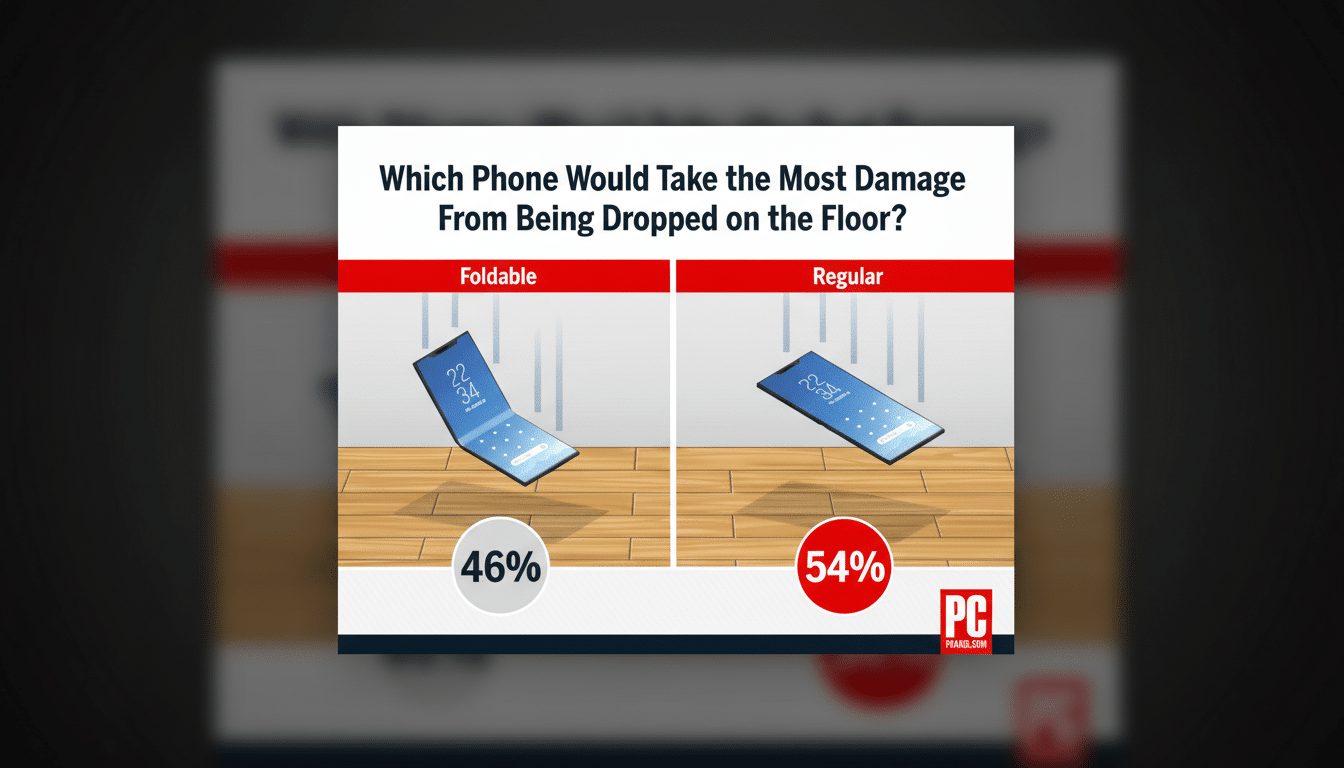
Crucially, repeat buyers are emerging. Industry analysts note improved retention among owners moving from first-gen to recent models, a sign that early concerns over reliability and software quirks are less of a barrier. That dynamic mirrors what happened when big-screen phones first went mainstream—skepticism gave way to stickiness once the value became clear.
What Still Holds Some Users Back from Foldables
Not everyone is convinced. Survey comments and forum threads still raise valid issues: creases remain visible under certain lighting, dust resistance lags behind slabs, ultra-thin glass requires mindful care, and replacement screens can be costly out of warranty. Battery longevity on larger inner panels and the impact of frequent folding continue to be watched closely by power users.
There’s also the matter of weight and thickness. While some book-style models are now meaningfully slimmer and lighter, clamshells tend to win on pocketability. Buyers who prefer one-handed use often favor flip-style designs, while multitaskers who want a tablet-like canvas gravitate to book-style devices that still push the upper limits of size for a phone.
Real-World Proof Points Showing Foldable Maturity
Recent models from Samsung’s Galaxy Z lines, Google’s Pixel Fold, the OnePlus Open, Motorola’s Razr series, Honor’s Magic V family, and Huawei’s Mate X and Pocket ranges exemplify the maturation arc. We’ve seen hinges rated for hundreds of thousands of folds, outer displays approaching full phone usability, and inner screens with higher brightness and reduced reflectance. Accessory ecosystems—from screen protectors to robust cases—now exist at scale, signaling confidence from third-party makers.
Enterprise and creator use cases are growing, too. Field teams value a pocketable device that expands into a larger canvas for forms and maps, while content pros appreciate on-device multi-window workflows. These niches won’t alone drive mass adoption, but they add durable demand beyond early adopters.
The Takeaway on Foldables Entering Daily Use
The new survey result—84.4% willing to daily-drive a foldable—captures a turning point in perception. Paired with consistent analyst data and better real-world experiences, the message is clear: foldables have moved from curiosity to credible choice. The next milestones are predictable but important—further dust protection, more aggressive price drops, and continued software polish. If those arrive, the question won’t be whether foldables are ready for daily life, but which shape of daily life you prefer to fold into your pocket.
