


Netflix’s Something Very Bad Is Going to Happen ends exactly as its title promises, with a ballroom awash in blood and a final twist that flips tragedy into a strange kind of freedom. Here’s how the curse works, why the wedding implodes, who survives against all odds, and what the last moments mean for Rachel Harkin and the lone Cunningham heir left standing.
The Curse and Its Impossible Rule Explained
The series grounds its shock finale in a folkloric bargain: generations ago, a desperate bride begged Death to return her groom. Death obliged, but chained the bloodline to a ruthless condition — each descendant must marry their true soulmate by sundown on their wedding day or die by catastrophic hemorrhage. Flee the ceremony and the curse leaps families. The coward who once refused his ordained match was made immortal as witness, condemned to attend every Harkin wedding and watch the reckoning repeat.
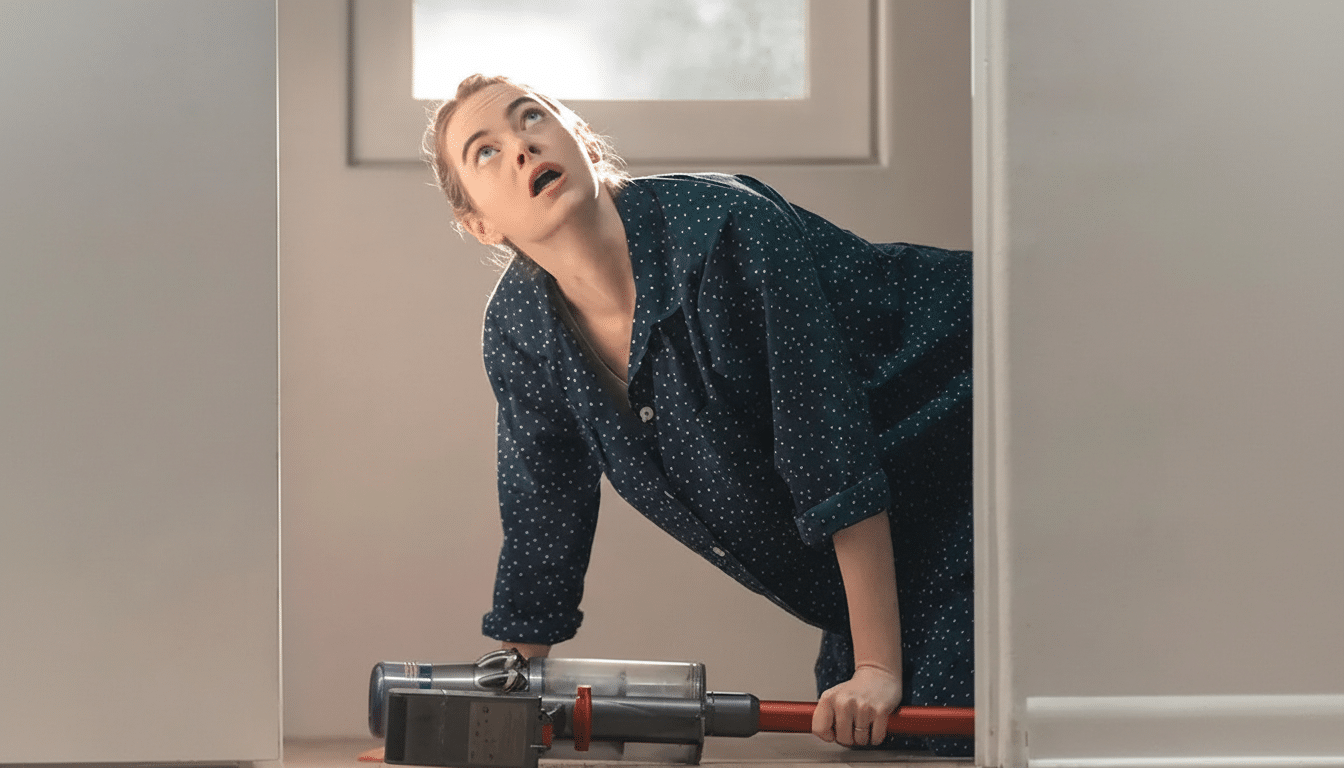
It’s a trap built on belief as much as fate. Finding a “true soulmate” is statistically punishing; modern polling by YouGov has repeatedly shown roughly 60% of Americans say they believe in soulmates, but belief doesn’t hand you certainty at the altar. The show weaponizes that uncertainty. Doubt is not just corrosive to love here — it’s fatal.
How Hesitation Turns A Wedding Into A Massacre
On the day Rachel marries Nicky Cunningham, she knows the stakes. She even prepares a potion — a grim, body-altering shortcut her great-aunt once used to survive — then abandons it at the last second, choosing conviction over cheat codes. Rachel believes. Nicky does not.
They trade vows, she slides on his ring, and then Nicky stalls to dissect the institution of marriage at the worst possible moment. Sundown hits. Because the union has not been sealed, the curse transfers to Nicky’s family and, in a ruthless wrinkle, applies retroactively. Across the reception, married Cunninghams spurt blood and collapse; what looks at first like one unlucky guest becomes a chain reaction of deaths, including matriarch Victoria and sister Portia. The scene invites comparison to TV’s great shock weddings, but its cruelty is bureaucratic, almost legalistic — the fine print enforcing itself.
Why One Cunningham Lives When the Others Perish
Amid the carnage, one married Cunningham does not die: Jules. He and Nell have been on the brink of divorce all season. His survival, paired with the look he gives her, reads like a thesis statement — the curse recognizes authentic bond over appearances. It’s a clever subversion; the series argues that enduring love can outlast even the administrative fiction of a pending split.
That interpretation tracks with how the climax treats Nicky and Rachel. When Nicky drags a reeling Rachel into finishing the ceremony to save himself, he believes she’s his soulmate and lives. Rachel, disillusioned by his cowardice and refusal to trust her warning, no longer believes he is hers — and dies moments after the rings meet. In other words, the show suggests the curse isn’t merely cosmic matchmaking; it is a mirror for inner certainty.
Death’s Bargain and Rachel’s New Role Explained
Then comes the pivot. Death claims the centuries-old witness at last and revives Rachel, appointing her as the new immortal observer. A blood-written note — “Your turn” — formalizes the handoff. The job is part penance, part emancipation. Rachel is free from Nicky, free from mortal risk, and bound to appear at future Cunningham weddings to see the contract enforced.
Only one such wedding is on the horizon: that of Jules and Nell’s young son, Jude. The timeline stretches years into the future, offering Rachel the very thing the show has long denied its characters — time to live without the tyranny of sundown, to warn Jude soberly, and to decide what kind of witness she will be. The image of her tossing the ring and driving away in the old “Just Married” truck lands not as nihilism but as reclamation.
Themes, Stakes, and What the Ending Really Says
Something Very Bad Is Going to Happen fuses fairy-tale logic with modern relationship anxiety. The finale’s bloodbath literalizes what therapists often describe: fear at commitment’s edge can blow up more than a party. Scholars of myth have long noted that bargains with Death typically demand payment in kind; here, the currency is certainty itself. When certainty fractures, the bill comes due — not just for lovers, but for their kin.
The creative choice to hinge survival on conviction gives the show sharper teeth than a simple “true love or die” fable. It lets the series smuggle a hard question into a pulpy ending: do you believe enough to stake everything? It also leaves a breadcrumb for future storytelling without cheapening the closure; only one Cunningham line remains, and Rachel’s immortality reframes the series as a myth in motion rather than a closed loop.
It’s no accident that twisty genre finales often ignite conversation — audience research from firms like Nielsen has shown climactic episodes tend to spike engagement, and the soulmate premise invites debate. If you saw the wedding as a referendum on love, the show argues the opposite: it’s a referendum on courage. In the end, blood seals the contract, but conviction breaks the chains — at least for one bride who gets a second life to prove it.

