


Washington’s scrutiny of the AI-powered data center boom just escalated. Senators Josh Hawley and Elizabeth Warren have asked the U.S. Energy Information Administration to begin collecting detailed power-use data from data centers, including the bills themselves and how those loads ripple across the grid.
The bipartisan push signals a shift from broad concern to operational oversight. It is not a symbolic request: the senators want hourly and peak load data, tariffs and special rates, grid upgrades sparked by new facilities, and whether operators curb demand when utilities call.
- Why Senators Want Detailed Data Center Power Bills
- What the Senators’ EIA Data Request Would Cover
- How AI Workloads Differ From Traditional Cloud Basics
- Grid Strain From Data Centers And Who Ultimately Pays
- What Happens Next If the EIA Pursues This Request
- Industry Stakes And Strategies As Oversight Tightens
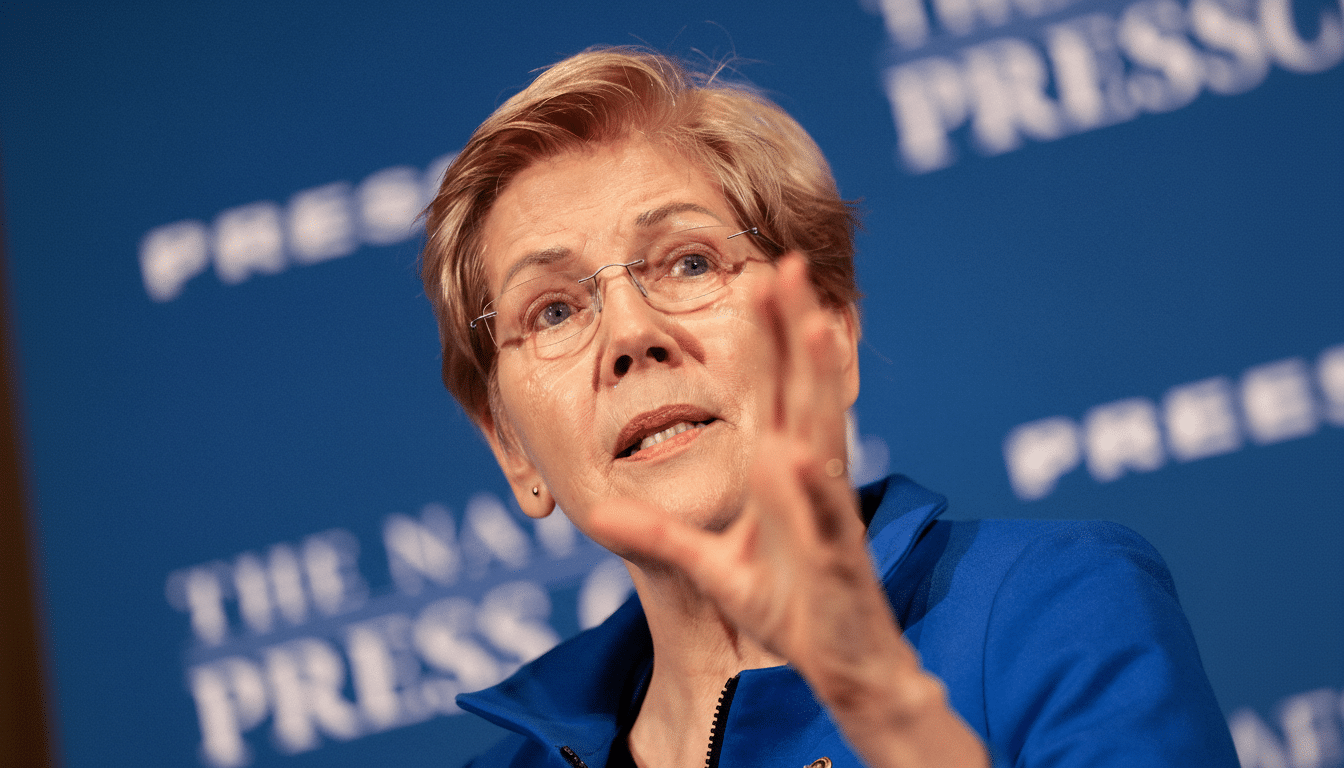
The move lands as lawmakers weigh tougher guardrails. Separately, Sen. Bernie Sanders and Rep. Alexandria Ocasio-Cortez have floated a pause on new data center construction while Congress hashes out AI rules, reflecting growing anxiety over electricity demand, local infrastructure, and consumer bills.
Why Senators Want Detailed Data Center Power Bills
Data centers are no longer a rounding error in U.S. electricity demand. Hyperscale operators have expanded fleets to train and run AI models that gobble power; Google has disclosed that its data center consumption doubled between 2020 and 2024. By 2035, projects already in the pipeline could nearly triple sector demand.
Global trends point the same way. The International Energy Agency recently estimated that electricity use by data centers, AI, and crypto could reach 620–1,050 TWh in 2026, up sharply from today. In the U.S., analysts commonly peg data centers at roughly 2–3% of total electricity use, with growth concentrated in a handful of regions.
Against that backdrop, senators want visibility that existing federal surveys do not provide. The EIA has long tracked energy consumption by sector, but its commercial category aggregates offices, hospitals, and server farms together—far too coarse to reveal which workloads are stressing local grids and at what times.
What the Senators’ EIA Data Request Would Cover
The letter asks the EIA to break out data center usage with granularity: hourly and annual consumption, peak demand, load shapes, and any dedicated utility tariffs. It also seeks disclosure of grid reinforcements tied to these projects, who foots the bill, and participation in demand response or other flexibility programs.
Crucially, the senators want a split between energy used for AI training and inference versus more traditional cloud services. That distinction matters because AI training tends to be bursty and power-dense, while general workloads are steadier and easier to schedule, with very different implications for capacity planning.
EIA Administrator Tristan Abbey has previously said the agency will play a central role in clarifying data center demand. Creating a brand-new national survey typically takes close to two years and must pass an Office of Management and Budget review, though the EIA can deploy smaller, quicker data collections when warranted.
How AI Workloads Differ From Traditional Cloud Basics
Operators routinely tout energy efficiency gains from advanced cooling and custom chips, and they do matter. Yet AI training clusters pack tens of thousands of accelerators in one site, creating concentrated loads that can spike local demand by hundreds of megawatts on short timelines—an order of magnitude shift from typical enterprise IT.
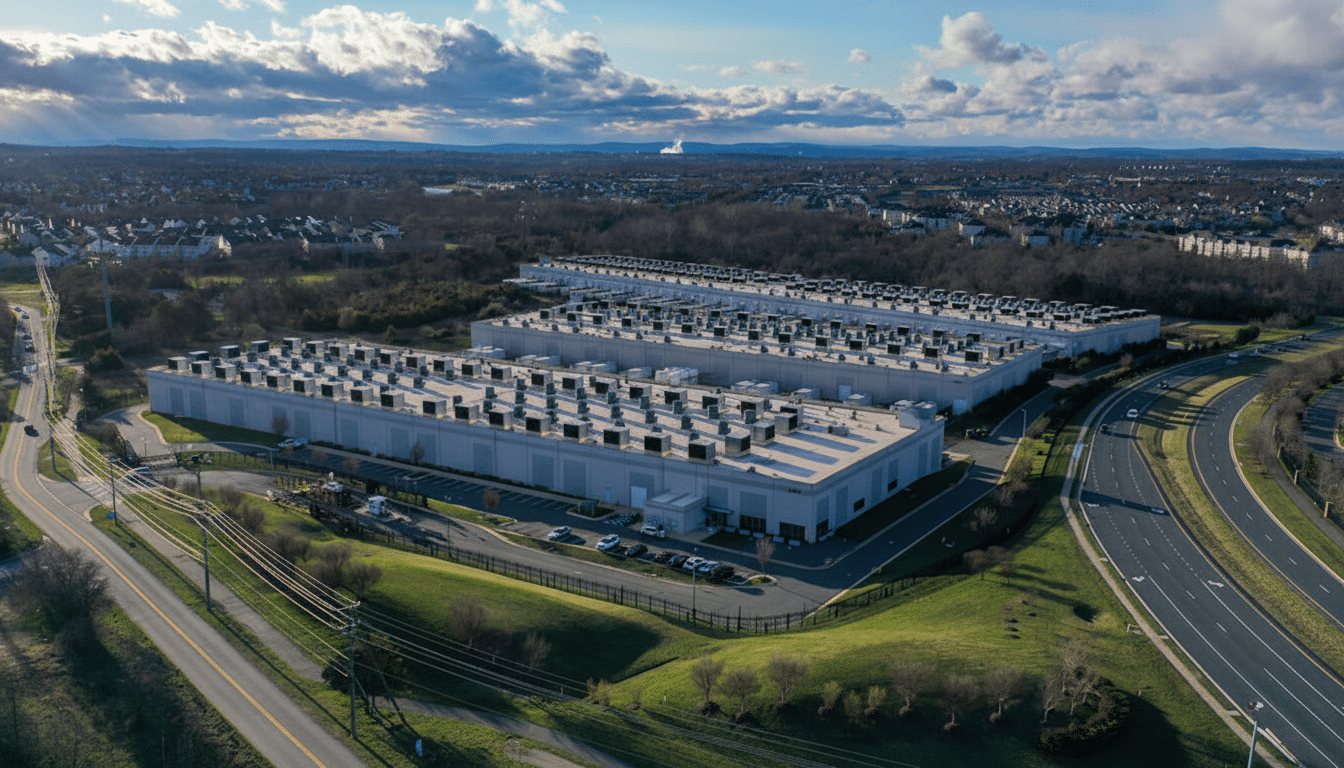
Without high-resolution data, grid planners are effectively flying on instruments that blur those differences. The senators’ request would help utilities, independent system operators, and regulators forecast more accurately, prioritize investments, and design tariffs that reward flexible behavior instead of locking in flat, ever-higher baselines.
Grid Strain From Data Centers And Who Ultimately Pays
Communities near “data center alley” in Northern Virginia illustrate the stakes. Dominion Energy and regional planners have mapped out major transmission upgrades to serve clusters there, even as residents and officials debate land use, noise, and who ultimately pays for reinforcement. Similar growth pressures are emerging in parts of Ohio, Georgia, and Texas.
Regional grid operators have noticed. Forecasts from PJM and ERCOT cite large new computing loads as a key driver of demand growth. Clearer data could help allocate costs fairly among ratepayers and large customers, and determine how much of the burden should be shared regionally versus borne by project sponsors.
Demand response is another pressure valve. When extreme heat or outages threaten reliability, utilities pay big users to dial back for hours or days. The senators want to know whether data center tenants actually participate at scale or remain walled off by uptime requirements and service-level agreements.
What Happens Next If the EIA Pursues This Request
If the EIA proceeds, it will need to define “data center” consistently, set reporting thresholds, and align with existing forms so utilities and operators are not submitting conflicting numbers. Expect public comment periods, pilot collections, and careful treatment of confidential business information.
The practical outcome could range from a limited, rapid-turn survey that samples key markets to a durable, nationwide series—think a “Census for compute”—that becomes the benchmark for planners and policymakers. Either path would give Congress and state commissions better tools than press releases and anecdotes.
Industry Stakes And Strategies As Oversight Tightens
Cloud and colocation providers have a lot on the line. Detailed disclosures could pressure them to smooth loads, add on-site storage, or shift more training to off-peak hours. Many already sign long-term renewable power contracts, but matching AI load profiles to clean generation in real time is a tougher lift than annual energy accounting.
For now, the message from the Senate is simple: the era of rough guesses is ending. As AI scales, lawmakers want to see the kilowatts, the costs, and the consequences in black and white—and they are pointing the EIA to the meter.

