


The Securities and Exchange Commission has closed its investigation into Fisker, ending a federal probe that had hovered over the bankrupt electric-vehicle startup and its disclosures. The conclusion was disclosed in court records associated with the company’s bankruptcy proceedings.
Details about the scope and findings of the inquiry remain limited. Earlier filings indicated the agency issued subpoenas to Fisker and reserved the right to seek additional documents. An SEC spokesperson declined to comment, and representatives for founder Henrik Fisker have not publicly addressed the development.
What the SEC Investigation Closure Means for Stakeholders
A closed SEC investigation is not the same as a declaration of innocence, nor is it a promise the matter will never resurface. It typically signals the staff is not pursuing enforcement at this time based on the evidence available. The agency can reopen a case if new facts emerge.
For creditors and investors sorting through Fisker’s bankruptcy, the closure removes one immediate overhang: the prospect of a parallel federal enforcement action against the estate. That can simplify claims analysis and may reduce uncertainty around recovery scenarios. It does not, however, prevent private litigation, actions by a bankruptcy trustee, or potential claims against individual officers and directors if warranted.
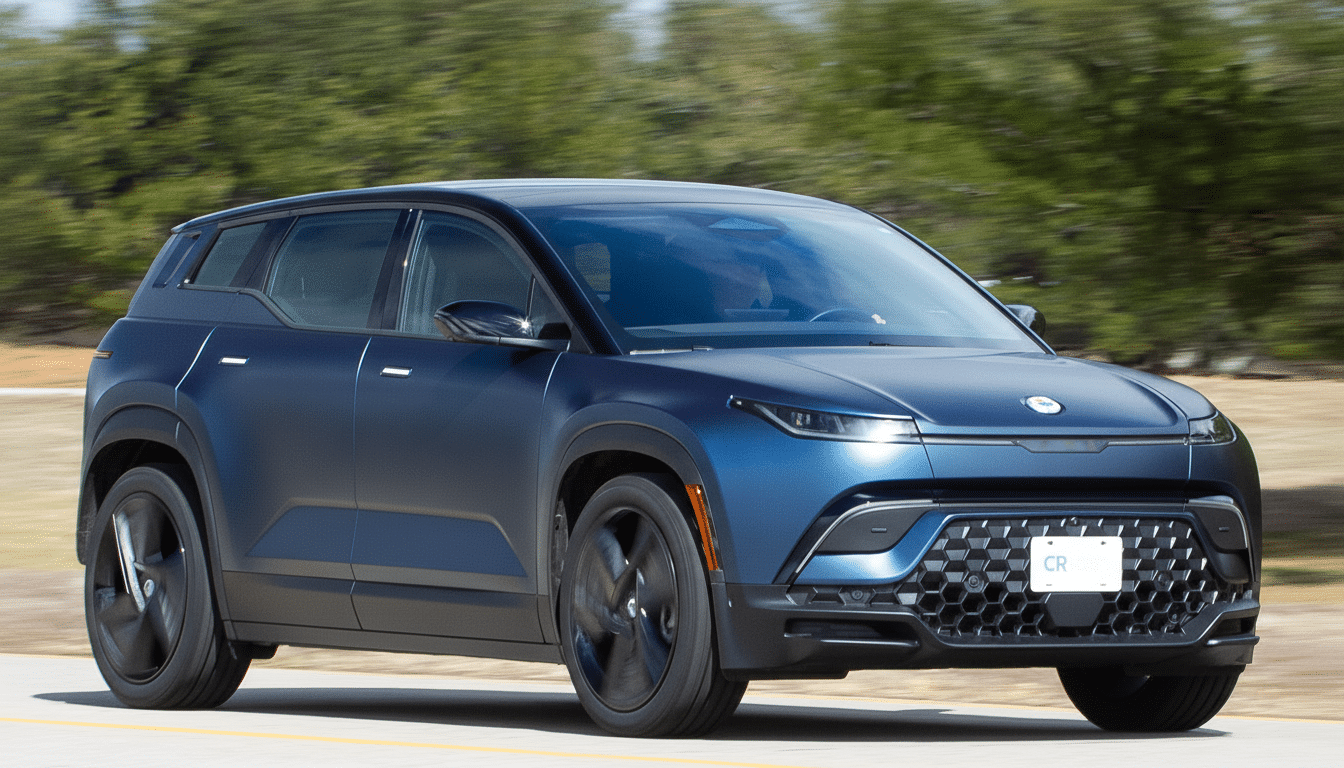
Practically, the focus now shifts back to the mechanics of liquidation and asset disposition. Fisker has already moved to wind down operations, sell remaining Ocean SUVs through fleet channels, and monetize intellectual property and parts inventory. Absent a pending enforcement case, disputes over representations to customers and investors will likely play out in civil courts and the bankruptcy forum.
A Rare Outcome Amid Intensified Scrutiny of EV Startups
Fisker’s clean exit from the SEC’s crosshairs stands out in a sector where several high-profile EV startups that went public via SPACs have faced penalties or settlements. The SEC has previously brought or settled fraud and disclosure cases involving Nikola, Lordstown Motors, Canoo, and Hyzon Motors. In one widely cited example, Nikola agreed to pay $125 million to resolve civil charges.
Notably, the agency closed an investigation into Lucid without filing suit, offering a precedent that inquiries do not always end in charges. By contrast, Faraday Future remains the only known EV startup still facing an active SEC probe, with “Wells notices” reportedly sent to the company and certain executives—a step that indicates staff may recommend enforcement, though it is not a final decision.

The Current Enforcement Climate at the SEC and Implications
The timing of Fisker’s outcome aligns with a broader moderation in SEC enforcement activity. According to an analysis by law firm Paul, Weiss, the agency brought 313 enforcement actions in the most recent full year, the lowest in a decade and down 27% from the prior comparable period. Only four of those actions targeted public companies, and total monetary settlements declined 45%.
Fewer public-company cases and smaller aggregate penalties can influence how risk committees and boards assess regulatory exposure. For distressed issuers, the shift may affect negotiations with insurers over directors and officers coverage and shape how creditors evaluate potential recoveries tied to litigation or regulatory outcomes.
Key Takeaways for the EV and SPAC Landscape
For investors, Fisker’s case is a reminder that SEC investigations can end without charges even when a company unravels operationally. Bankruptcy is not itself evidence of securities fraud; the agency’s mandate centers on disclosure accuracy and investor protection, not business performance.
For founders and boards, the episode underscores the value of contemporaneous documentation around forecasts, supply-chain assumptions, and preorders—areas that have proven fraught across the SPAC-era EV cohort. Clear risk-factor language and prompt escalation of defects or delivery delays remain critical guardrails.
What to watch next:
- whether any individual-focused actions emerge independent of the now-closed company-level probe
- updates in Faraday Future’s matter following the receipt of Wells notices
- how the SEC’s enforcement priorities evolve as markets reassess growth-stage hardware businesses that scaled aggressively through public listings
For now, one cloud over Fisker has lifted. The harder questions—how assets are distributed, what lessons regulators and investors apply to the next wave of mobility startups, and where accountability ultimately lands—remain very much in play.
