


Samsung has confirmed that the Galaxy S26 lineup supports satellite communication across North America, Europe, and Japan, detailing carrier partnerships and feature sets that bring emergency SOS, two-way texting, and, in some markets, data connectivity when you’re beyond terrestrial coverage.
Where Satellite Connectivity Works on Galaxy S26 Phones
The capability spans the Galaxy S26, S26 Plus, and S26 Ultra, with Samsung noting that select Galaxy A series models also gain satellite features. The company is rolling out support region by region as networks come online and regulators approve services, so your exact experience will depend on the market and carrier plan attached to your device.
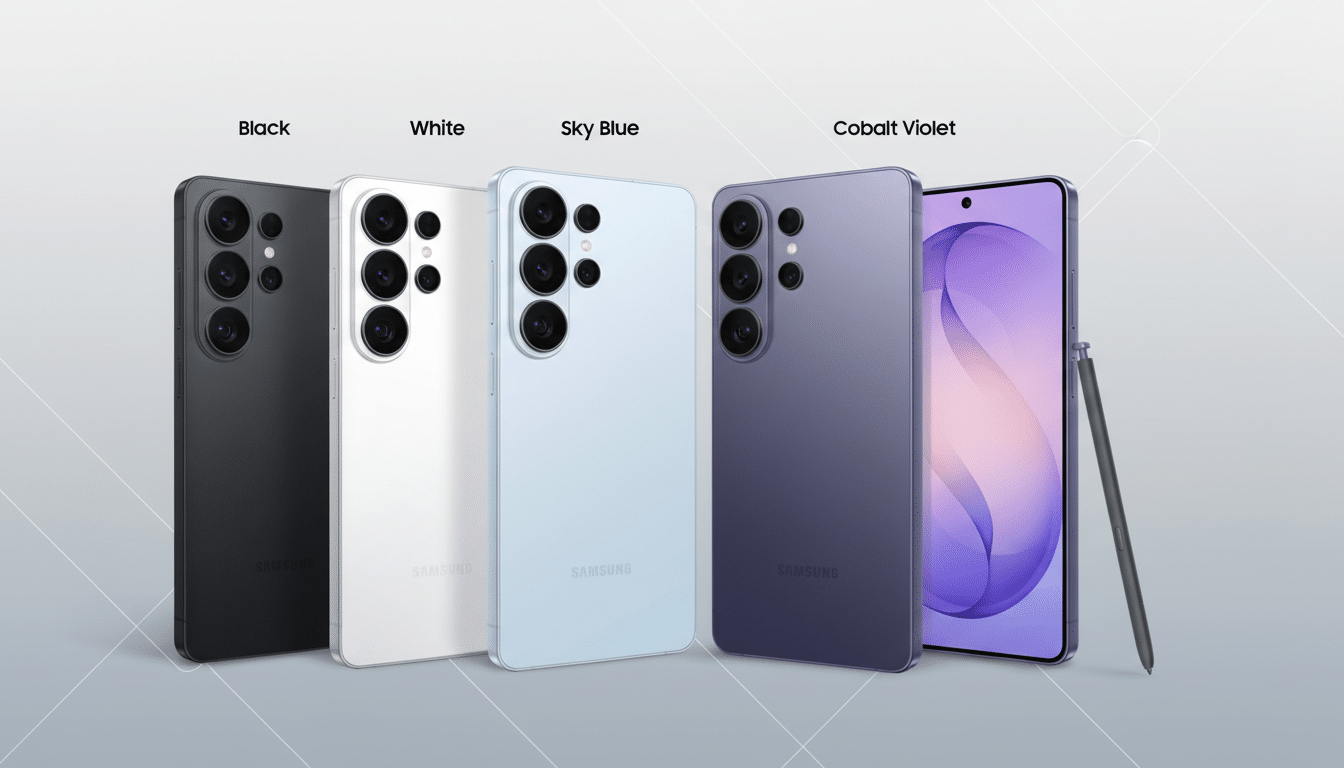
At launch, the feature set centers on emergency assistance and messaging in areas with little to no cellular signal. In certain markets, users can also send limited data, a step toward broader “direct-to-device” satellite connectivity that behaves more like a safety net than a replacement for 5G.
How US Carriers Enable Satellite Service on Galaxy S26
In the US, Samsung is partnering with T-Mobile on a service powered by Starlink’s direct-to-cell satellites. That pairing supports emergency SOS, two-way texting, and data over satellite for compatible Galaxy S26 devices. The approach uses ordinary smartphone radios to reach low Earth orbit satellites when there’s no cell tower in sight, falling back to ground networks whenever they’re available.
Verizon is offering emergency SOS and text services for the Galaxy S25 and S26 families, with Samsung also collaborating with AT&T to add satellite features on Galaxy phones. These initiatives reflect a broader industry move toward standards-based satellite-to-phone links that can work across multiple devices and operators as coverage expands.
Europe and Japan Rollouts for Galaxy S26 Satellite Support
In Europe, Samsung says satellite communication is now available on select Galaxy devices through a collaboration with Virgin Media O2. Joint trials with MasOrange in Spain are starting, while work with Vodafone is underway to bring features online in additional markets. Japan is included among supported regions, with specific operator details to follow as services clear local approvals.
As with the US, European availability will ramp up in phases. That means emergency messaging may reach some countries first, with broader texting and data following as satellite constellations scale, roaming agreements finalize, and national regulators sign off on non-terrestrial network use.

Why Satellite Support on Galaxy S26 Series Matters
Satellite support addresses one of the last big gaps in mobile: coverage at the edges. While the GSMA estimates that roughly 95% of the world’s population lives within mobile broadband footprints, vast areas by geography—oceans, deserts, mountains, and rural hinterlands—remain uncovered. That’s where direct-to-device satellites can deliver life-saving SOS, basic messaging, and status updates when conventional networks fail or don’t exist.
The move also aligns with industry standards. 3GPP’s Release 17 introduced specifications for non-terrestrial networks, enabling compatible smartphones and carriers to interoperate over satellites using familiar protocols. This standards-first approach is key to scaling beyond bespoke solutions, reducing device fragmentation, and helping services roam across borders as constellations and operator partnerships mature.
Consumer expectations are shifting, too. Apple popularized emergency satellite messaging on mainstream phones using Globalstar, and adventure-focused devices from companies like Garmin have long shown the value of satellite SOS over Iridium. Samsung’s approach—integrating carrier-grade, standards-aligned satellite links—pushes the category toward everyday utility rather than niche gear.
What to Expect Next for Galaxy S26 Satellite Features
Samsung says capabilities will expand over time and across more Galaxy product categories. Expect staged rollouts, with emergency assistance typically arriving first, followed by conversational texting and then limited data as satellites, ground stations, and spectrum approvals line up. Pricing, eligibility, and exact features will vary by carrier plan.
For users, the experience will feel different from cellular. You may be prompted to orient your phone toward the sky, messages could take longer to send, and throughput will be modest. But in the moments that matter—off-grid adventures, natural disasters, or network outages—the Galaxy S26’s satellite lifeline could be the difference between silence and help on the way.
