


Samsung is introducing automatic AI labels for images created or edited with generative tools on the Galaxy S26, a move aimed at making synthetic visuals easier to identify as they move across chats, feeds, and cloud libraries. The label appears in the photo app when Galaxy AI features have altered or generated pixels, signaling to viewers that the image includes AI assistance.
What Samsung Is Changing with Galaxy S26 Creative Studio
The company is reorganizing all capture and editing features into a new Creative Studio, bringing camera, enhancement, and generative capabilities under one roof. When users generate an image from scratch or apply AI edits—such as object additions, scene expansion, or inpainting—the resulting file is tagged within the app as AI-generated content. The intent is simple: add immediate context to visuals that might otherwise be mistaken for a straight shot from the camera.
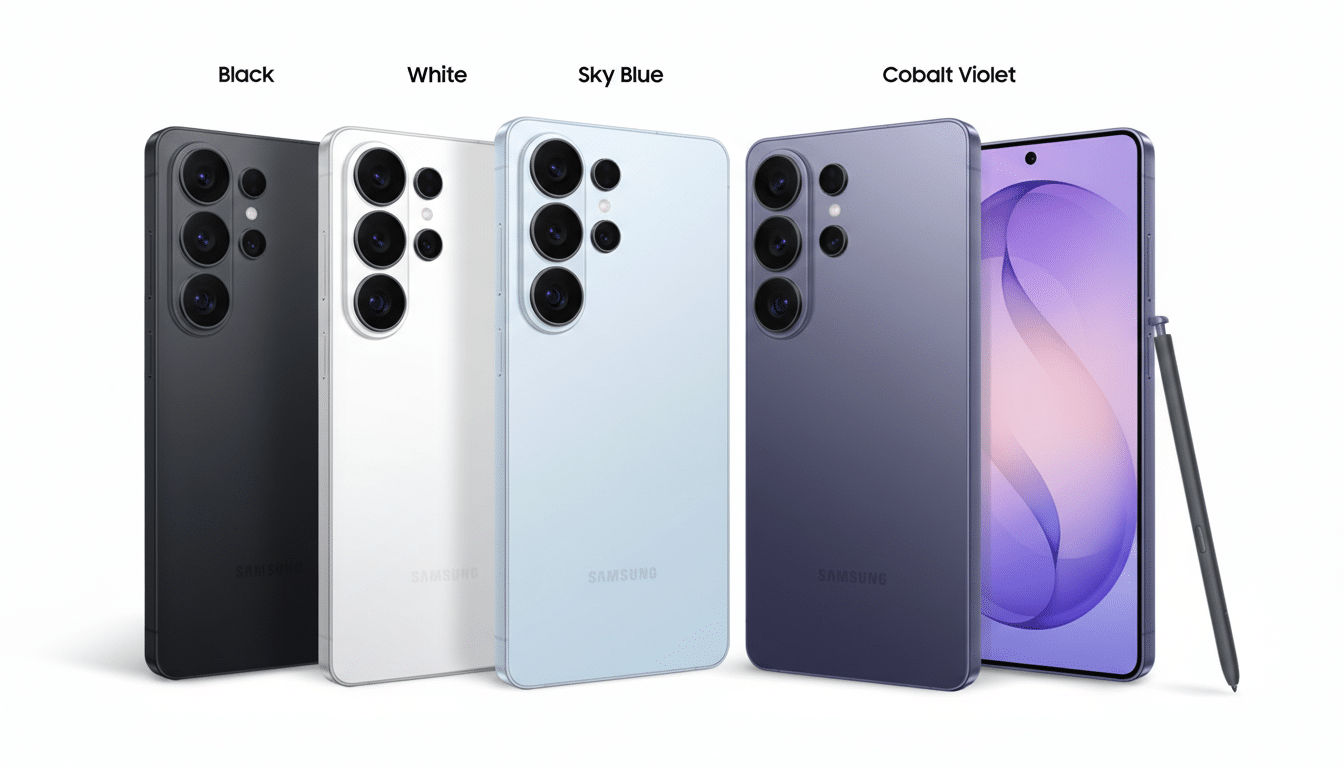
Under the hood, Galaxy AI leans on a mix of on-device and cloud models, including Google’s Gemini family and Samsung-optimized components for image manipulation. Centralizing these tools reduces app-hopping friction and, crucially, gives Samsung a consistent place to display provenance signals to users.
Will Labels Stick Beyond the Gallery and Social Apps
The big open question is whether the S26’s AI label is purely a visible watermark or paired with robust metadata or invisible markers. A corner badge is useful in the gallery, but it can be cropped or blurred away. Users have previously shown how simple edits can remove or obscure watermarks in mobile workflows, and social platforms often strip or rewrite metadata on upload.
Industry best practice is moving toward layered provenance: human-readable labels, standardized metadata, and resilient invisible signals. The Coalition for Content Provenance and Authenticity (C2PA) standard—adopted by members of the Content Authenticity Initiative—cryptographically signs edit histories so that any tampering becomes detectable. Google’s SynthID takes a different tack, embedding imperceptible patterns that survive common transformations like resizing or compression. Samsung has not yet confirmed whether the S26’s AI-tagged images will include C2PA provenance, SynthID-style signals, or IPTC/EXIF flags that persist after sharing.
How It Compares Across the Industry and Platforms
AI labels are becoming table stakes. Google and OpenAI display watermarks or badges on AI video samples; Meta applies “Made with AI” labels to content identified via metadata or partner signals; and YouTube now requires creators to disclose synthetic media. Camera makers including Nikon and Canon have piloted content credentials in partnership with the Content Authenticity Initiative to attest that a photo is real, not AI.
Public demand for clarity is rising, too. The Reuters Institute has reported that nearly 60% of people across surveyed markets worry about telling real from manipulated media online. Regulators echo the concern: the U.S. Federal Trade Commission has flagged AI-enabled deception as an enforcement priority, noting consumer fraud losses that recently surpassed $10B. While labels won’t stop bad actors, they help honest creators signal intent and give platforms a hook to enforce policies.
Benefits and Limits for Everyday Users of Labels
For casual photographers, the immediate win is transparency: friends can tell at a glance when a dramatic sky, missing tourist, or expanded backdrop is courtesy of Galaxy AI. For journalists and brands, durable provenance matters more than a visible badge—especially when content is reposted, recompressed, and remixed through multiple apps. If Samsung pairs its on-screen label with reliable metadata or invisible markers, the S26 could meaningfully improve downstream attribution.
That said, no single technique is foolproof. Security researchers and organizations such as NIST have cautioned that watermarking alone cannot guarantee detection under adversarial conditions. Labels also create edge cases: how much AI is “enough” to warrant a tag, and will benign edits like dust removal or exposure fixes be treated differently than generative object insertions? Clear policies and consistent UX cues will matter.
What to Watch Before Launch of Galaxy S26 Labels
Three implementation details will determine how impactful Samsung’s approach becomes:
- Provenance stack: Does Samsung embed C2PA credentials, invisible signals, and IPTC/EXIF markers in addition to the visible badge?
- Share flow integrity: Do labels and metadata persist when exporting to third‑party apps, uploading to social platforms, or backing up to cloud services?
- User control and clarity: Are there clear disclosures in Creative Studio when a change will trigger an AI label, and can users view an edit history to understand what was generated?
If Samsung delivers on those fronts, the Galaxy S26 could set a practical benchmark for mobile AI transparency—helping creators embrace generative tools without blurring the line between document and depiction.
