


The global RAM crunch is colliding with smartphone launch cycles, and the fallout could land hardest on five high-profile Android models. With mobile DRAM prices rising on the back of AI server demand, OEMs face a choice they hate to make: charge more, cut memory, or compromise elsewhere. TrendForce has tracked double-digit increases in contract prices for mobile DRAM across recent quarters as supply shifts toward high-bandwidth memory. Counterpoint Research adds that in sub-$200 devices, RAM and storage can now represent roughly 43% of total component costs, pushing bills of materials up about 25% in lower tiers. That pressure is creeping up the stack.
In practical terms, buyers should expect fewer generous base RAM configurations, pricier “plus” variants, or feature trims to keep sticker prices in check. Here are five Android phones most at risk of being “ruined” by the RAM crisis—either through budget-busting markups or performance-pinching reductions.

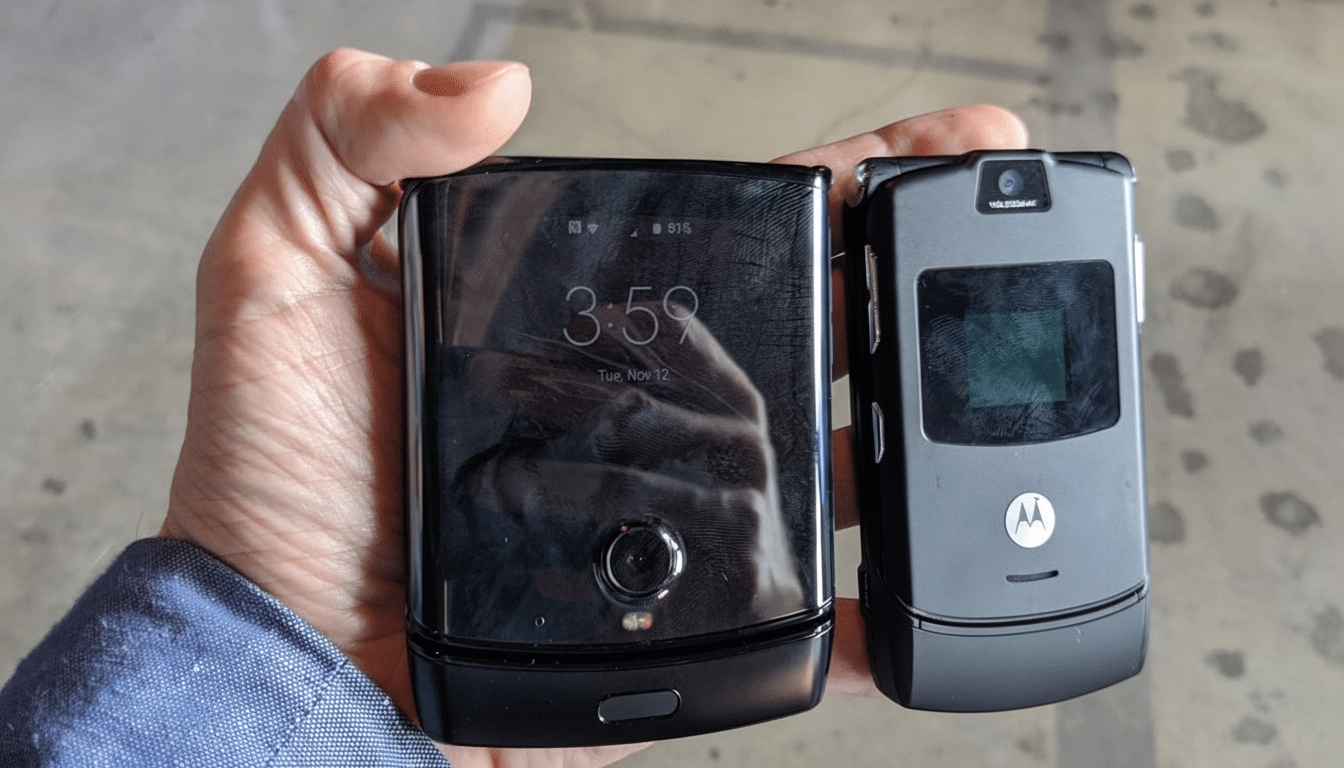
Motorola Razr Next Generation at Risk from RAM Costs
Motorola’s Razr line has been the volume play in US foldables, with IDC estimating the brand controls close to half of the category. That leadership was built on aggressive pricing for slim, fashion-forward flips. The catch: foldables already carry costlier hinges, dual displays, and complex assembly. Add pricier LPDDR5/LPDDR5X and you have a squeeze from both sides.
To defend its approachable price, the next Razr could ship with tighter base memory, fewer storage options, or scaled-back camera hardware. Motorola has historically used value-driven chipsets and relied on software polish to keep the Razr fun; in a RAM-constrained world, multitasking and camera processing headroom could suffer if memory budgets are trimmed.
Google Pixel 11 Faces Tough Memory Math Ahead
Google’s baseline Pixel has walked a delicate line: premium photography and long software support, while holding the line on price. The addition of telephoto hardware in the base model tightened that rope even more. Moving its in-house Tensor chips to advanced TSMC nodes—widely reported to carry a premium versus prior arrangements—compounds the cost stack just as RAM and storage climb.
Expect Google to keep base storage conservative and resist big RAM increases in the entry configuration. That puts more burden on software efficiency to deliver fluid performance, especially as on-device AI features expand. TechInsights’ teardown data has repeatedly shown memory among the top three cost drivers in premium smartphones; Pixels are unlikely to be an exception this cycle.
Samsung Galaxy Z Flip 8 Could See Sticker Shock
Samsung’s clamshell foldable is a style icon, but it’s also price sensitive. In some markets, recent models have edged past the four-figure mark, and that was before the current memory spike fully worked through contracts. Korean business press has flagged rising logistics and component costs across Samsung’s supply chain, while memory suppliers tighten output to keep pricing firm.
If any mainstream Samsung flagship is vulnerable to a price bump or RAM reshuffle, it’s the Flip. The larger, more expensive Fold has better room to absorb cost fluctuations with high-margin SKUs. For the Flip, Samsung could nudge buyers up the ladder by giving the base trim less RAM and positioning the “plus” configuration as the sweet spot—without lowering its price.
Samsung Galaxy A0x Series Vulnerable To Downgrades
Budget Galaxy A0x models are lifelines in emerging markets and carrier prepaid channels, often selling well under $150. That math only works when memory is cheap. Counterpoint Research’s latest modeling indicates a sub-$200 Android phone with 6GB/128GB now costs about 25% more to build than a recent prior quarter, with memory consuming up to 43% of the BOM pie.
The result could be painful: base RAM slipping to 4GB, fallback to slower storage, or cuts to secondary cameras just to keep prices stable. Users will feel it as app reloads, lag in heavy web sessions, and faster performance decay over a long update window. Six or seven years of Android updates matter less if the phone runs out of memory headroom two years in.
OnePlus 16 Balancing Performance And Price
OnePlus built its reputation on speed—top-tier Snapdragon chips, fast UFS storage, and abundant RAM. The challenge now is that all three are getting pricier at once. Industry analysts expect next-wave flagship SoCs on advanced nodes to carry higher die costs, while LPDDR5X and UFS 4.0 command premiums amid tight supply.
If OnePlus sticks to its performance-first identity, the 16 could arrive with a higher starting price and more aggressive upsell to 16GB RAM tiers. Alternatively, it might keep the headline price but lean into gaming features and battery life while dialing back camera spending—an approach that risks alienating users who want a more rounded flagship.
Why the Smartphone RAM Crunch Is Hitting Now
The surge in AI infrastructure has soaked up wafer capacity for high-bandwidth memory, with suppliers prioritizing HBM profitability. TrendForce has noted consecutive quarters of double-digit mobile DRAM price increases, and earnings commentary from Micron and SK Hynix points to disciplined supply. That leaves phone makers negotiating higher memory contracts just as they roll out AI-heavy features that prefer more RAM, not less.
For consumers, the early warning signs are clear: smaller base RAM on entry models, region-specific memory cuts, and pre-order “free upgrade” promos that quietly normalize higher prices later. If you’re shopping this year, scrutinize memory tiers, consider stepping up to the configuration you actually need, and watch for trade-in deals that offset what could be the most acute RAM-driven squeeze on Android phones in years.

