


After a wave of online concern, the verdict is in: Punch the baby macaque at Ichikawa City Zoo is doing well. Recent keeper notes and first-hand visitor observations point to steady social progress, better feeding habits, and confident play — the core signs specialists look for when a hand-raised infant starts life in a troop.
Punch’s Current Status at a Glance and Daily Progress
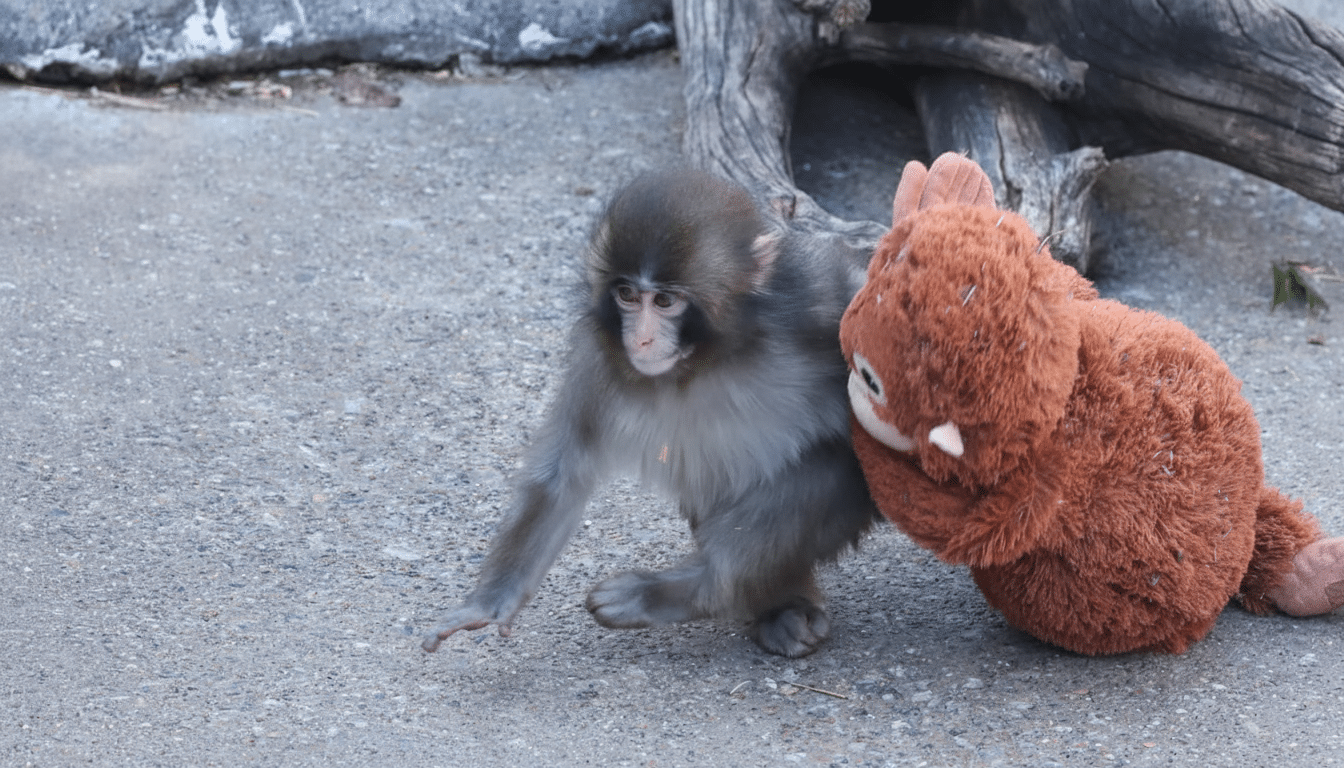
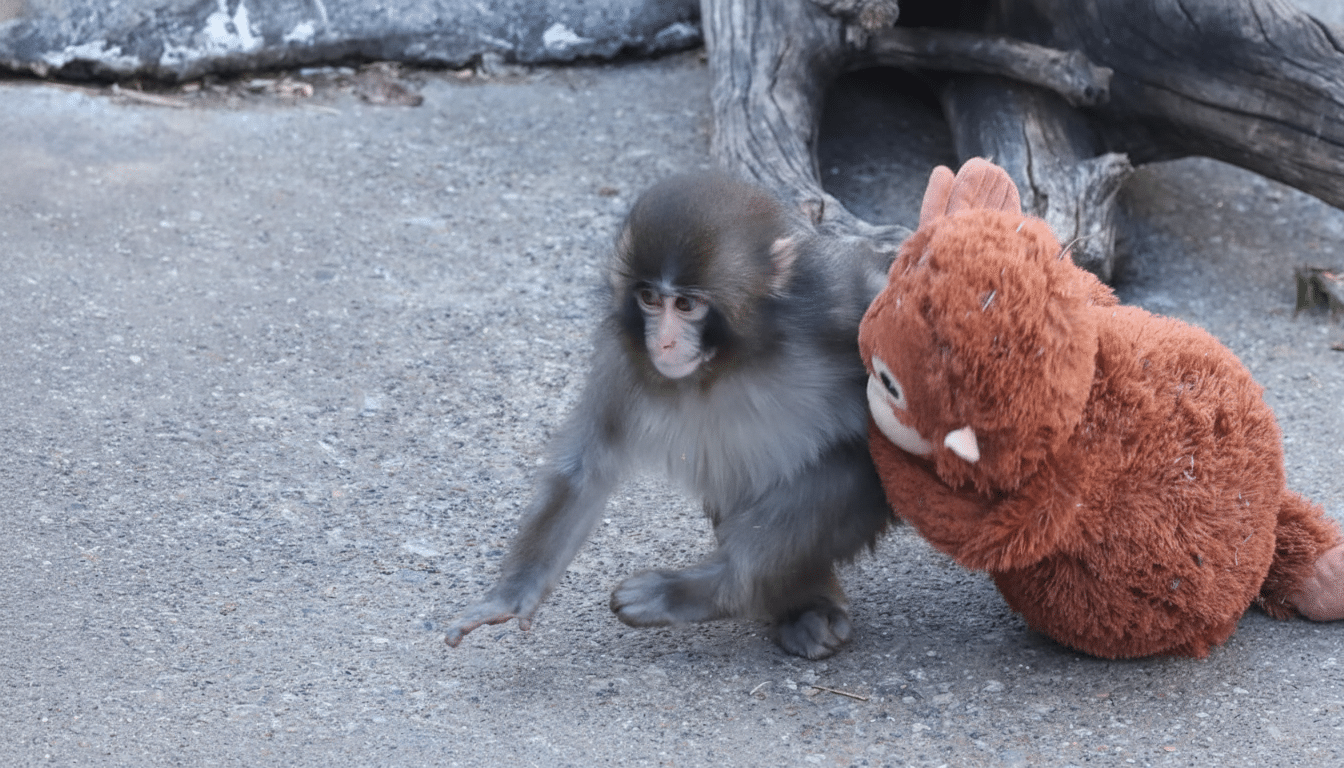
Punch is active and curious, venturing around his enclosure more frequently and initiating gentle play with age-mates. He still totes his now-famous comfort object — an orangutan plush — but that reliance is softening as he spends longer stretches interacting with other macaques and navigating the space on his own.
- Punch’s Current Status at a Glance and Daily Progress
- What Keepers Reported in the Latest Zoo Update
- How Integration Works for Hand-Reared Baby Macaques
- Key Health and Welfare Indicators Observed in Punch
- Why the Familiar Plush Still Matters for Punch
- Public Interest, Donations, and Official Guidance
- Bottom Line: Punch’s Integration Is on Track
What Keepers Reported in the Latest Zoo Update
In the latest update shared by an Ichikawa City Zoo keeper on the facility’s official social media, Punch was observed playing comfortably with other juveniles and, crucially, choosing to eat by himself rather than clinging to a keeper during mealtime. The staff described a calm session with no notable conflicts and noted that his overall condition remains good.
That mealtime shift matters. For his earliest months, Punch was hand-reared, which can create strong human bonding and hesitation around peers. Moving from keeper-dependent feeding to self-directed eating alongside other macaques is a classic milestone of growing confidence and social competence in young primates.
How Integration Works for Hand-Reared Baby Macaques
Japanese macaques typically wean around 8–12 months, with social play and grooming accelerating in the latter half of the first year, according to primate behavior research from institutions such as Kyoto University’s Primate Research Institute. Hand-reared infants can still integrate successfully when introductions are gradual and positive interactions are reinforced by keepers.
Visitors’ clips and onsite accounts show Punch imitating grooming — carefully watching an older macaque’s technique before trying it himself — and experimenting with tools and posture, including a wobbly two-legged toddle while clutching a stick. These may look cute, but they’re also developmental green flags, reflecting curiosity, motor coordination, and social learning in action.
Observers have also noticed what appears to be a “protector” dynamic, with a slightly older monkey hovering near Punch during busier moments. That pattern is common in macaque societies, where alliances and age-graded friendships help buffer youngsters as they find their footing within group hierarchies.
Key Health and Welfare Indicators Observed in Punch
For a young macaque, three daily markers signal healthy adjustment: appetite, sociality, and exploration. Punch is ticking those boxes — initiating play, sampling food independently, and traversing his space with fewer hesitations. Reduced distress vocalizations and increased affiliative contact (like grooming or gentle proximity) further indicate that his stress is declining while social bonds strengthen.
Keepers appear to be following recognized best practices — including limiting unnecessary handling, staging short supervised introductions, and offering familiar comfort items during transitions — approaches aligned with husbandry guidance used by accredited zoos and primate specialists in Japan and abroad.
Why the Familiar Plush Still Matters for Punch
Yes, Punch still carries his stuffed orangutan. In primate care, transitional objects can reduce anxiety and promote exploratory behavior by providing a portable “safe base.” The fact that Punch now leaves the plush behind more often to climb, forage, or roughhouse with peers suggests his security is increasingly sourced from the troop — exactly the trajectory keepers hope to see.
Public Interest, Donations, and Official Guidance
Global attention has swelled far beyond Japan, with the zoo fielding a surge of inquiries and offers to help. Management has said it is preparing an official way for supporters to contribute and has cautioned the public to avoid any third-party fundraising that is not announced through the zoo’s own channels. Staff also note they cannot accommodate phone inquiries in languages other than Japanese.
Bottom Line: Punch’s Integration Is on Track
Punch is OK — playful, eating on his own, and steadily weaving into the social fabric of the troop. For now, the best support is patience: follow official updates, respect on-site guidelines, and let the keepers do what the evidence shows works — small steps, consistent routines, and gentle, supervised contact. The little macaque’s world is getting bigger, and that’s exactly the news fans hoped to hear.

