


Samsung’s Galaxy S26 lands with familiar polish and welcome upgrades, but when you add up day-to-day experience, pricing, and longevity, Google’s Pixel 10 still edges it out for most buyers. Samsung’s latest is an excellent phone; it’s just not the better value or the more consistent all-rounder.
What Both Phones Get Right: Shared Strengths and Features
These are direct rivals with substantial overlap. Both ship with Android 16 and pledge seven years of OS and security updates, carry IP68 water resistance, include ultrasonic fingerprint readers, 12GB of RAM, wireless charging, and triple rear cameras under Gorilla Glass Victus 2. Each also opts for a compact 6.3-inch Full HD+ 120Hz display—great news for people tired of giant slabs.
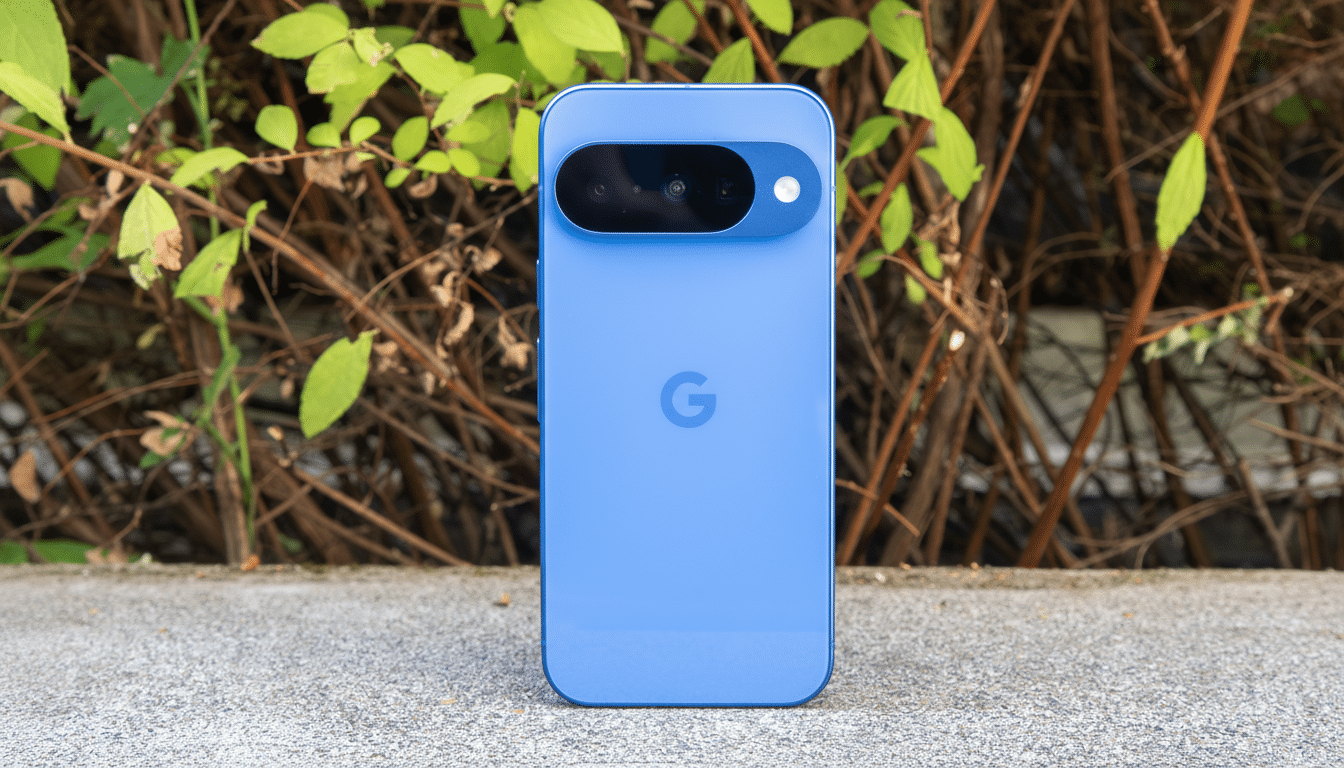
In short, you’re getting premium hardware, long support windows, and modern AI features regardless of brand. The decision comes down to how you value software cadence, camera behavior, battery priorities, and ecosystem perks.
Where Pixel 10 Pulls Ahead in Software, Camera, and Battery
Software timeliness and simplicity still define the Pixel proposition. Pixels get major Android releases on day one, while Samsung owners often wait weeks or months for One UI to catch up. If you like clean, fast updates and thoughtful utilities like Now Playing and Quick Tap, Google’s approach is the one to beat.
Photography remains a Pixel calling card. While both phones offer versatile triple-camera setups, Google’s processing tends to deliver more consistent results with less fiddling—true-to-life color, reliable low-light performance, and class-leading computational tricks. Independent labs such as DxOMark have repeatedly highlighted these strengths across Pixel generations, and the Pixel 10 builds on that heritage.
Battery and charging tilt Google’s way, too. The Pixel 10 packs a 4,970mAh cell versus 4,300mAh on the Galaxy S26, and it supports 30W wired charging compared to Samsung’s 25W. With the same screen size and similarly powerful chipsets, that capacity advantage alone suggests the Pixel will outlast the S26 for most users.
Price seals the argument for many. The Pixel 10 launched at $799 for 128GB, while the Galaxy S26 starts $100 higher—granted with 256GB standard. But street pricing already favors Google; six months in, the Pixel often dips below $700 at major retailers. Analysts at firms like Counterpoint Research have long noted aggressive promotion cycles for Android flagships within the first two quarters, and the Pixel typically benefits early and often.
Where Galaxy S26 Still Wins for Performance and Ecosystem
Performance enthusiasts and power users may prefer Samsung’s silicon story. In the US, the Galaxy S26 with Qualcomm’s latest Snapdragon 8 Elite Gen 5 class chip should outpace Google’s Tensor in raw CPU and GPU throughput and sustained gaming, based on the trend from prior generations tracked by outlets like AnandTech. Outside the US, many regions get Samsung’s Exynos 2600, which narrows the gap but still targets strong performance.
Samsung also retains major ecosystem advantages. If you own a Galaxy Watch or Galaxy Tab, the continuity features—Auto Hotspot, seamless file sharing, cross-device app handoff—are excellent. DeX remains the best phone-to-desktop mode in the business, and Samsung’s Secure Folder is a mature, enterprise-grade privacy vault that some will prefer over Google’s Private Space.
Prefer bigger screens and faster charging? The Galaxy S26 Plus brings a larger display, 45W wired charging, and 20W wireless charging, though its 4,900mAh battery still undercuts the Pixel 10’s capacity. It’s also pricier at $1,100, positioning it as the performance-and-display upsell for committed Samsung fans.
Value and Longevity: Update Cadence and Repair Options
Both phones promise seven years of updates, a sea change for Android longevity that rivals enterprise-grade support timelines. The difference is cadence: Pixels get updates instantly, while Samsung’s broader device portfolio means rollout waves. If you want features the moment Google announces them, the Pixel experience is hard to beat.
Repairability and parts access matter over a seven-year horizon. Both brands have offered official parts and repair programs in recent years in partnership with well-known providers, aligning with expanding right-to-repair policies. Combined with long software support, this cuts total cost of ownership and keeps either device viable far beyond the traditional three-year upgrade cycle.
Bottom Line: Which Phone Offers Better Value Today
The Galaxy S26 is a polished flagship that excels in performance, ecosystem breadth, and pro features like DeX. But for most buyers, the Pixel 10’s cleaner software, day-one updates, larger battery with faster charging, proven camera reliability, and lower real-world pricing make it the smarter buy. If you live in Samsung’s ecosystem or crave top-tier gaming grunt, the S26 makes sense—otherwise, the Pixel 10 is the better deal today.
