


OnePlus just unveiled the 15T in its home market with outsized specs and an aggressive price, but the bigger headline for US fans is what’s not happening. Fresh reporting and mixed signals from the company suggest the 15T may never cross the Pacific, reviving questions about whether OnePlus is winding down its US phone business altogether.
The device itself looks tailor-made to grab attention: a 7,500mAh battery, Qualcomm’s Snapdragon 8 Elite Gen 5 platform, up to 16GB of RAM, dual 50MP rear cameras, and storage options reaching 1TB. In China, it starts at CNY 4,299—roughly $623—which, even after the usual import markups and carrier testing, would undercut many premium flagships if it ever hit American shelves.
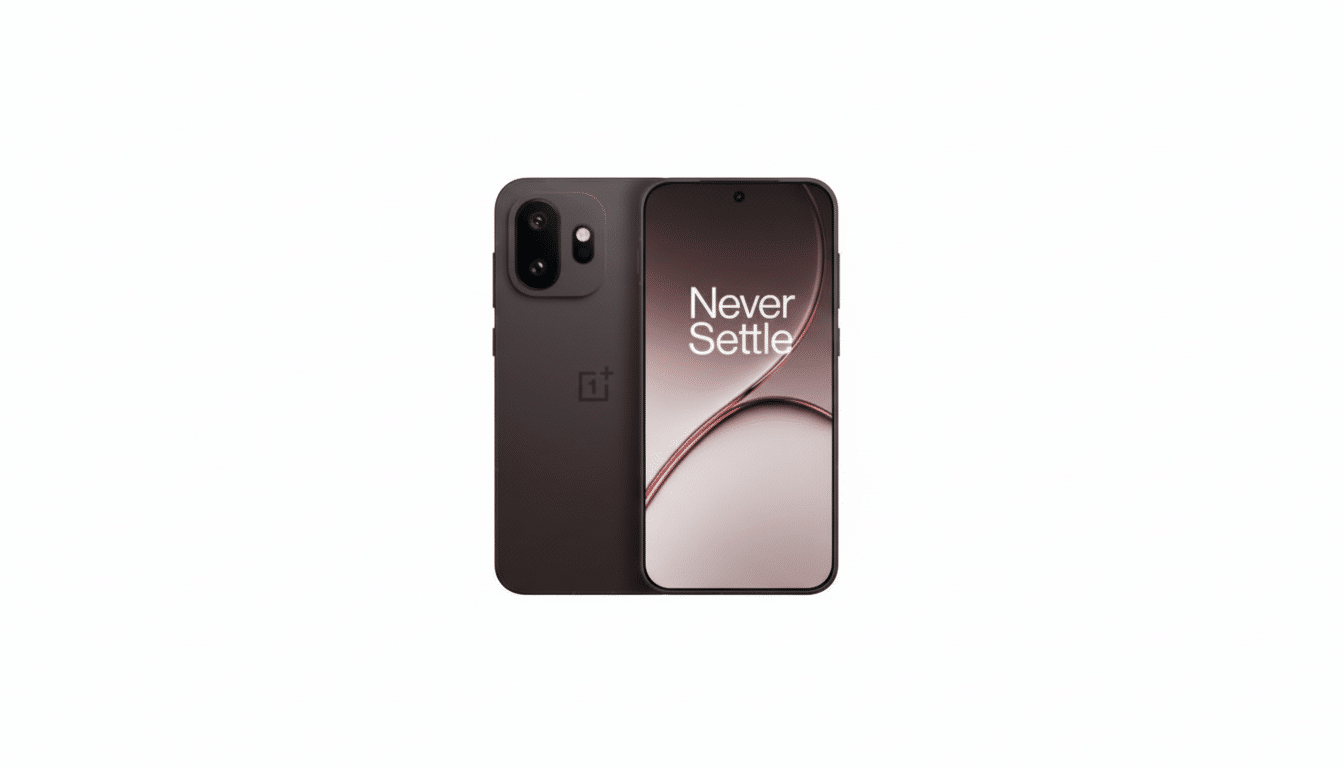
What the OnePlus 15T Delivers on Paper: Key Specifications
Battery life is the clear headline. A 7,500mAh cell dwarfs the ~5,000mAh batteries common in mainstream flagships, hinting at multi-day endurance for light users and genuine all-day cushion for heavy ones. Paired with Qualcomm’s latest top-tier chipset and up to 16GB of memory, the 15T reads like a spec-sheet play aimed at enthusiasts who hate compromises.
Photography remains central to OnePlus’ pitch. Two 50MP rear sensors should handle wide and ultrawide duties with less reliance on digital upscaling, while the roomy storage tiers (256GB, 512GB, and 1TB) target power users who shoot 4K and game locally. On price, the Chinese MSRP lands well below traditional $900–$1,200 ultra-premium brackets. Historically, the brand’s US pricing has crept higher than its China tags, but the 15T still looks positioned to undercut many rivals if it were to launch stateside.
Why a US Launch Looks Unlikely for the OnePlus 15T
Momentum doesn’t favor a US debut. OnePlus skipped bringing the 13T to the US and Europe, and multiple reports point to a broader international retrenchment. A now-deleted post from reliable leaker Yogesh Brar claimed OnePlus is shifting focus back to China and entry-to-mid tiers in India. Separately, 9to5Google reported that sources familiar with internal plans say certain international staff have been briefed about changes, though timing remains murky.
Officially, OnePlus pushes back. Spokespeople told outlets including Tech Advisor and 9to5Google that operations in Europe and India continue, and that business continuity is assured. Even so, leadership churn hasn’t helped perception: OnePlus India CEO Robin Liu’s recent departure adds to uncertainty following earlier whispers of an international reset under the broader BBK Electronics umbrella.
The Business Math Behind a Potential OnePlus Retreat
The US is a tough market for any challenger. According to research from Counterpoint and IDC, Apple and Samsung routinely command roughly 80%+ of US smartphone shipments, leaving thin oxygen for everyone else. Distribution is carrier-first, marketing is expensive, and technical hurdles—especially 5G band nuance and optional mmWave certification—inflate costs and time-to-market.
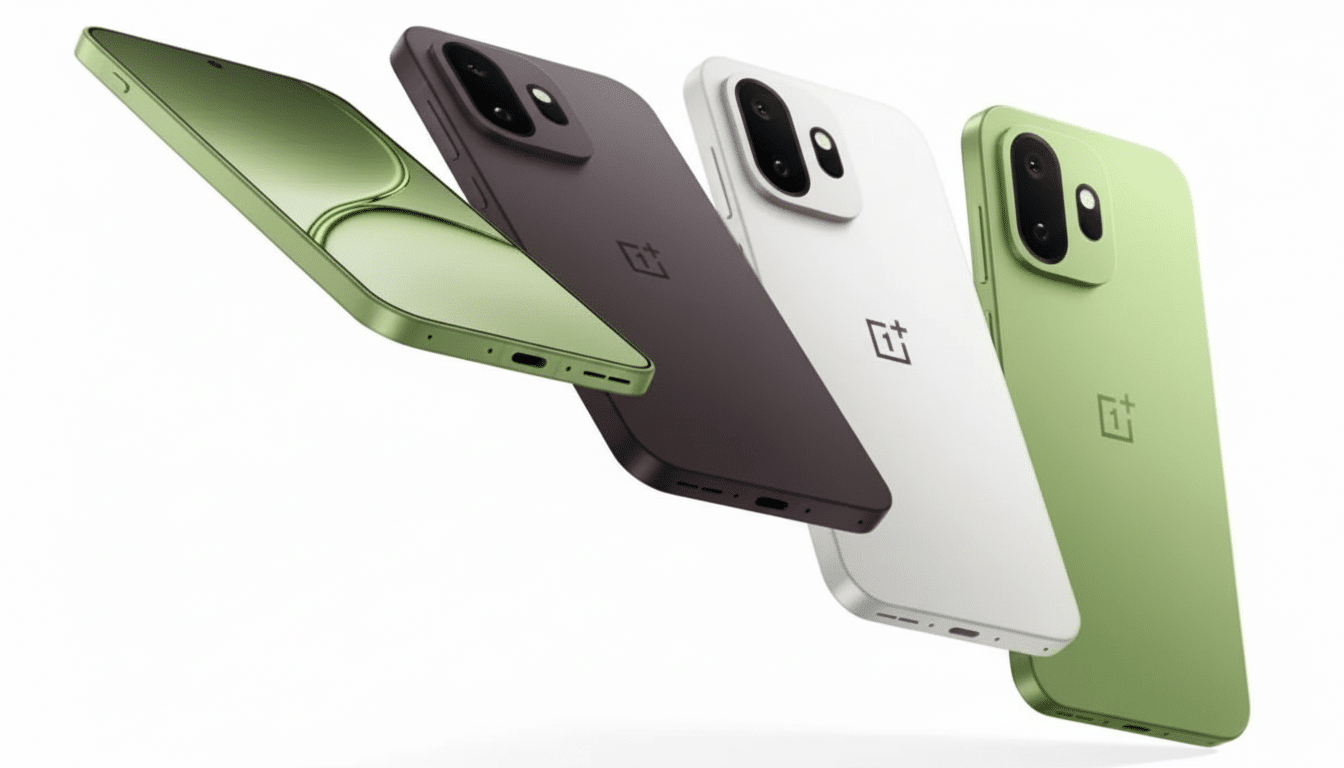
OnePlus did carve out a presence through T-Mobile and direct sales, but it remained a niche play with low single-digit share, often depending on aggressive promotions to move volume. When margins tighten, companies reevaluate where each SKU launches, which bands get supported, and whether full carrier certification is worth the investment. It’s telling that OnePlus has concentrated resources in China and India—two markets where it has stronger brand pull, more direct channels, and faster feedback loops for product iteration.
There’s also the strategic trend to consider. The T-series historically served as a refinement cycle—leaning on mature components and sharper pricing. If OnePlus is rationalizing international lineups, the T-series could be among the first to skip complex markets like the US, even if the core flagships occasionally still make the trip.
What a Pullback Would Mean for US Buyers
Fewer choices at the top end. Beyond Samsung and Google, the short list narrows quickly to Motorola and a scattering of unlocked imports. For enthusiasts who loved OnePlus’ speed, clean software, and fast charging, that’s a loss of flavor as much as it is a loss of features.
Practical concerns follow. If OnePlus scales back, existing US owners will look for reassurance around Android updates, security patches, and warranty support. Historically, brands that exit a market continue honoring service obligations through partners, but the cadence of updates and the ease of repairs can shift. Watching official statements, carrier notices, and FCC filings for upcoming models will be the best early indicators of OnePlus’ longer-term intentions.
Bottom Line for the OnePlus 15T and US Availability
The OnePlus 15T is real, ambitious, and sharply priced in China. But absent clear commitments to US carriers or unlocked distribution, expectations for a stateside release should be near zero. If you’re in the market now, bank on options that are confirmed for US bands and carrier support. If OnePlus clarifies its roadmap, it could still surprise—but for the 15T, the writing appears on the wall.

