


In a bid to reduce the year-by-year increasing number of vehicle accidents caused by alcohol and related substances, the National Highway Traffic Safety Administration (NHTSA) has moved to begin the process of implementing a bill that will push for carmakers to agree to add alcohol impairment detection technology to cars. With this feature, cars can detect alcohol levels and prevent the car from starting. The goal is to discourage drivers from driving under the influence of alcohol and related substances.
How it Started
In 2021, Congress passed a new bill providing for the allowance of a passive tech for vehicles that could detect alcohol levels. The new bill was to ensure that a novel technology standard for vehicles is introduced by November 2024. The goal was to reduce as much as possible the number of vehicle accidents.
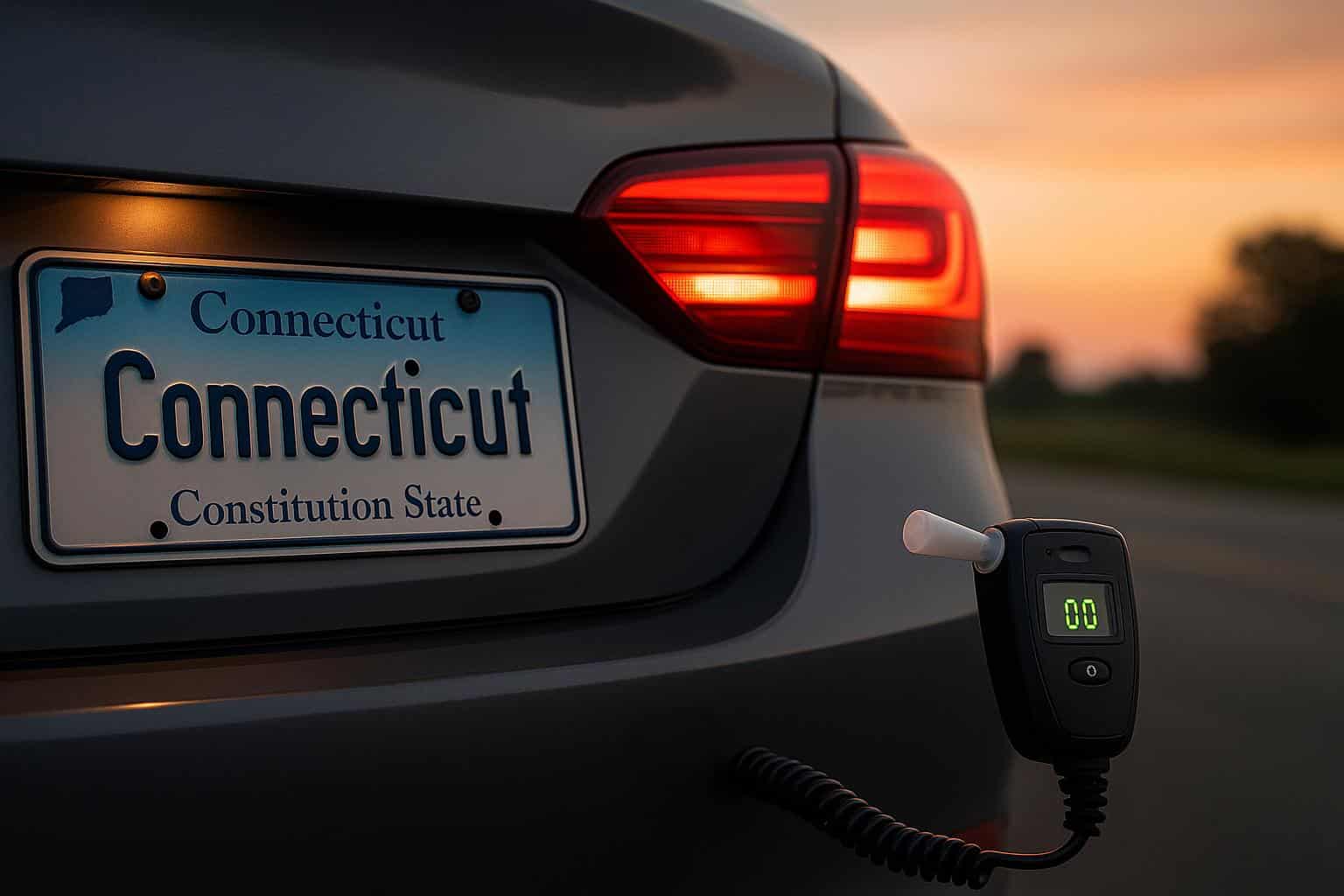
There are several potential technologies currently in testing that can stop impaired people from starting and driving a vehicle; some of these are touch or breath-based, which can directly detect alcohol and related substances. A third option is to use cameras to monitor a driver’s eye movements to judge whether they are inebriated or not.
Nevertheless, the NHTSA has to be sure the selected technology will work before it is pushed out, and even then, carmakers will need at least three years to put this into cars, after the rules on how to use them have been decided.
However, there might be some setbacks, even before implementation has started. The current acting NHTSA administrator, Ann Carson, mentioned the public acceptance would be a core determinant of whether the process would be utilized or not. Also, the technology would need to be perfected so as to ensure there are no errors due to the nature of the incident that triggers the car’s response.
“We are trying to see how we can get it done, how we can ensure that the technology exists in a way that keeps it working at 100% every single time it kicks into action,” stated Acting Administrator Carlson.
“There are almost a billion distinct driving journeys in Connecticut in particular and the United States as a whole, daily. Hence, a 99.9% assurance is not enough, as it would throw a million people into confusion on a Monday morning when they get into their cars to drive to different destinations. You could be trying to get your child to a hospital for a serious minor injury and be obstructed by your vehicle’s anti-drunk features.”
How it is Going
However, the agency published an advance notice proposing the making of the rule. This is to begin the process of collating information on how the technology would be developed.
The regulatory notice, posted on the agency’s website, outlines every detail of the technological advancement and the research needed to complete negotiations. It also mentions the options for the rules that will accompany the law, naming “impairment-detection, blood alcohol content (BAC) detection or a combination of the pair.”
The president of a non-governmental group, the Mothers against Drunk Driving, Tess Rowland, gushed over the decision of the NHTSA and the progress made. She however mentioned that there is still a long way to go, and it would be a tribute to the survivors and victims to see it through to the end.
Fatalities caused by vehicle accidents involving alcohol and related substances remain a significant concern. Experts suggest that shifts in driving habits and risky behaviors may contribute to these tragic incidents, highlighting the ongoing importance of road safety and responsible decision-making behind the wheel.
Conclusion
“The future is surely bright for the prevention of accidents in Connecticut and the rest of America as cogent steps are being taken by relevant authorities,” says attorney Mark Sherman of The Law Offices of Mark Sherman, LLC. No matter the results of the collation exercise being run by the NHTSA, there is surely a light at the end of the tunnel.f the tunnel.
