


Xbox’s future is under a microscope after a co-founder suggested Microsoft is preparing to wind the brand down. The new chief in charge, Asha Sharma, is signaling the opposite: a recommitment to Xbox that starts with the console, steers clear of low-quality AI gimmicks, and leans into what made the platform distinct in the first place.
Where the Xbox sunset rumors began and gained traction
The speculation kicked off when Seamus Blackley, who helped pitch the original Xbox, told GamesBeat he believes Microsoft is prioritizing artificial intelligence and might phase Xbox out over time. Blackley pointed to leadership changes — notably the exit of longtime Xbox chief Phil Spencer and the appointment of Sharma, formerly leading Microsoft’s CoreAI division — as evidence of a strategic pivot away from gaming hardware.
- Where the Xbox sunset rumors began and gained traction
- Sharma’s opening message and what it signals
- The business backdrop for Xbox and its market position
- Why AI still matters to Xbox behind the scenes and players
- Key signals to watch in the months ahead for Xbox
- The bottom line on Xbox leadership, AI, and console focus
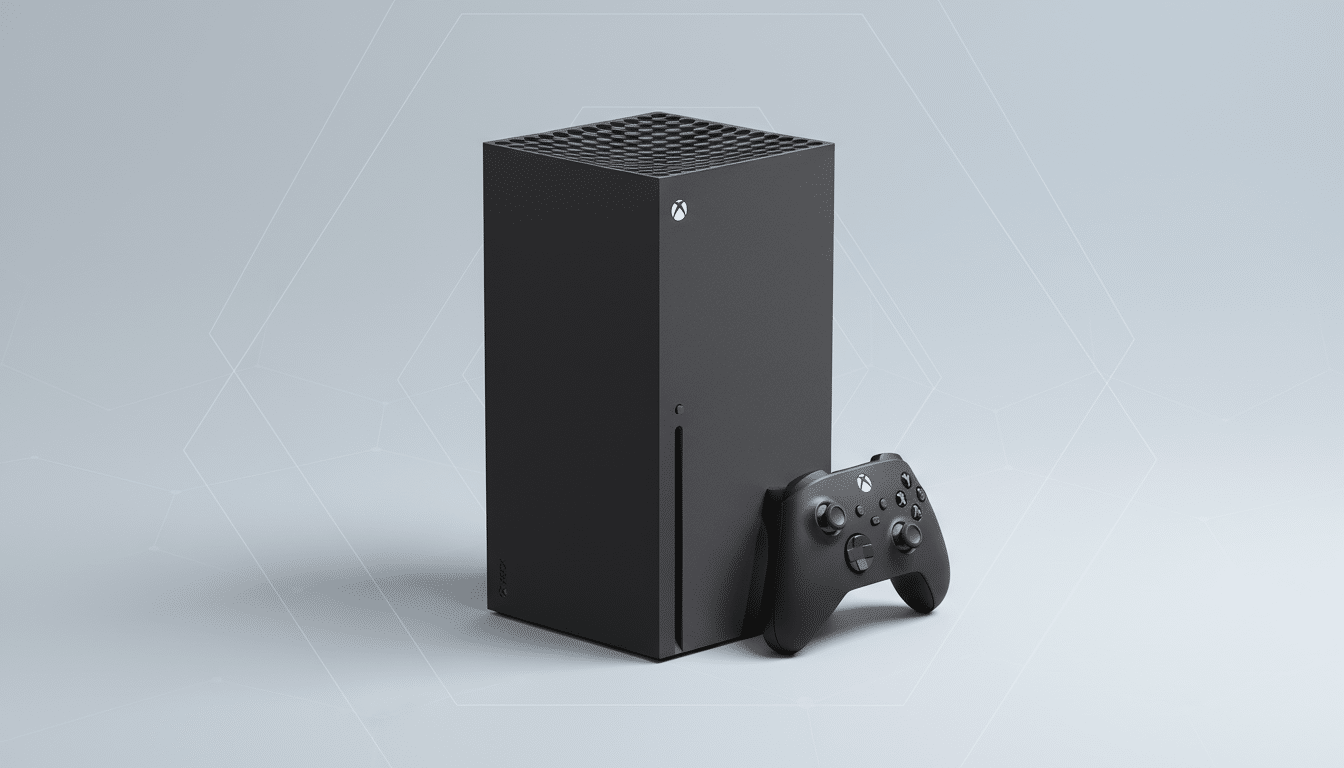
His read taps into a broader anxiety: Microsoft has poured vast investment into AI infrastructure and products, and some fear non-core units could be deprioritized. But Blackley’s own framing acknowledges a tension inside Microsoft — gaming is a mature, monetizable business, while generative AI at consumer scale is still proving out its commercial model.
Sharma’s opening message and what it signals
Sharma’s early statements push back on the doomsaying. In an interview with Windows Central, she said she’s reviewing the data behind recent decisions and wants to understand the “why” before charting the next steps. Publicly, she has stressed that Xbox won’t chase short-term efficiency or flood players with AI-generated filler. Her stance is unambiguous: games are creative works led by people, and technology should amplify that craft, not replace it.
Crucially, she framed console as the anchor of the ecosystem — a device that shapes identity and relationships with players and studios — while recognizing that gaming now spans PC, mobile, and cloud. That’s consistent with Xbox’s recent playbook: day-one subscription distribution via Game Pass, more robust PC support, and selective multiplatform releases to grow total reach.
The business backdrop for Xbox and its market position
The market context helps explain both the anxiety and the opportunity. Industry tracker Circana reported Sony’s PlayStation 5 led US hardware in 2023, while Xbox’s console business has been comparatively softer. Microsoft’s filings over the last few years show gaming revenue increasingly weighted toward content and services, with hardware occasionally declining year over year as supply normalized and competition intensified.
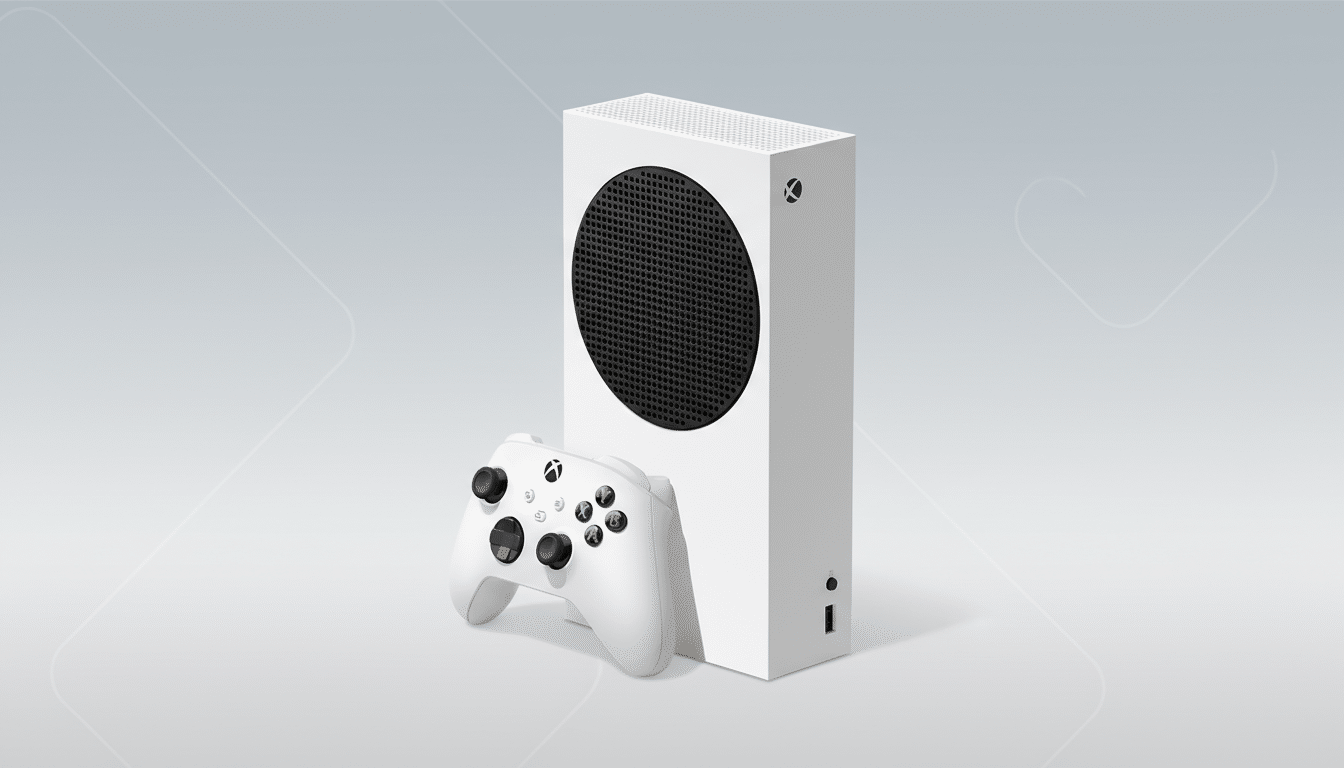
At the same time, Xbox’s services engine is sizable. Microsoft disclosed tens of millions of Game Pass subscribers in 2024, and the company’s bet on PC has paid dividends with steady catalog engagement. Earlier this year, Microsoft greenlit a handful of former console exclusives — including Sea of Thieves and Hi-Fi Rush — for rival platforms, a pragmatic move to monetize back catalogs and fuel live-service communities without abandoning the Xbox hardware thesis.
Why AI still matters to Xbox behind the scenes and players
Despite Sharma’s warning against low-effort AI content, artificial intelligence will almost certainly play a role — behind the scenes. Expect tools that accelerate testing, localization, accessibility features, and creator workflows; smarter content moderation and safety systems; and analytics that help studios tune live games. Microsoft’s broader AI stack, from Azure to Copilot, can quietly strengthen Xbox without defining it.
The open question is balance. Players have been vocal against disposable content and opaque monetization. A measured approach — augmenting developers and improving player experiences rather than algorithmically cranking out quests or dialogue — would fit Sharma’s stated guardrails and preserve trust.
Key signals to watch in the months ahead for Xbox
- Hardware roadmap: AMD CEO Lisa Su recently indicated a next-generation Xbox is slated for 2027 using a custom AMD SoC. If Microsoft shares even a slice of that vision — performance targets, AI acceleration, or hybrid local-cloud features — it would undercut any “sunset” narrative.
- First-party cadence: A steadier drumbeat from Xbox Game Studios and Bethesda will be the clearest proof point. Quality releases that move hardware and subscriptions are a better rebuttal to rumors than any memo.
- PC and ecosystem execution: Continued upgrades to the Xbox app on PC, mod support, anti-cheat, and better day-one parity will reinforce the cross-device strategy Sharma described. Expect more investment in regions where PC dominates and cloud can complement, not replace, local play.
- Transparency on AI use: Clear developer guidelines and visible quality bars for any AI-assisted content will matter. If players feel craftsmanship is protected, adoption of helpful AI behind the curtain becomes far less controversial.
The bottom line on Xbox leadership, AI, and console focus
Blackley’s warning captures a real fear about a tech giant’s shifting priorities, but the on-the-record signals from Xbox’s new chief reflect a different trajectory: protect the console, respect the art, and use AI as an enabler, not a replacement. Until Microsoft breaks that social contract, “sunset” looks more like a hot take than a plan.

