


A new Android app called Nearby Glasses promises a measure of bystander privacy in a world where camera-equipped eyewear is getting harder to spot. The app scans for Bluetooth signals from smart glasses and sends an alert when it detects a device that could be recording, giving people a chance to reposition, ask questions, or simply be aware of their surroundings.
How the App Spots Camera Glasses Using Bluetooth Beacons
Nearby Glasses relies on Bluetooth Low Energy (BLE) broadcasts—the short “advertising” beacons that many wearables continuously emit. By parsing those beacons and matching the Company Identifier codes maintained by the Bluetooth Special Interest Group, the app can surface likely manufacturers, such as Meta (Ray-Ban smart glasses), Snap (Spectacles), or Luxottica Group. That manufacturer-level context helps users gauge risk without guessing from a distance.
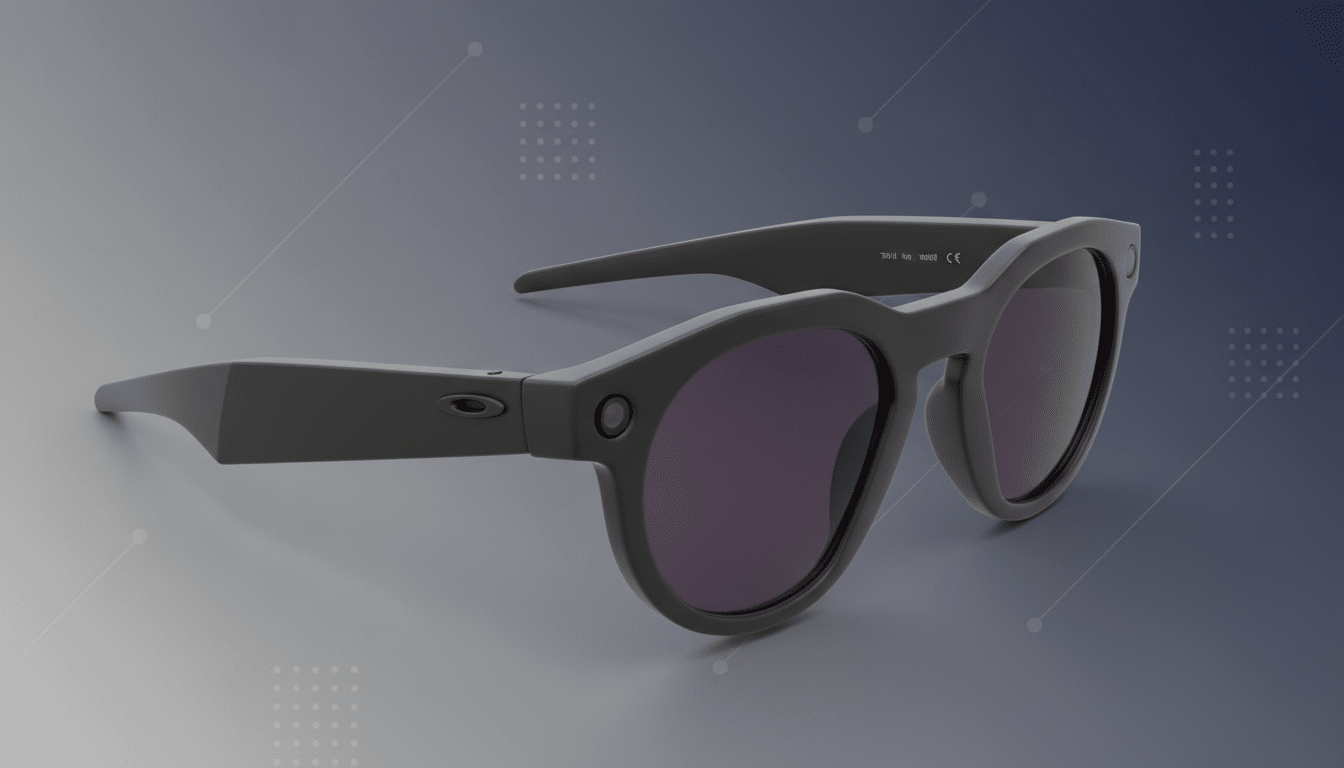
Setup is intentionally simple: grant Bluetooth and location permissions, then start scanning. In typical indoor conditions, BLE beacons can travel several meters, sometimes more in open spaces. The app then issues a notification that a nearby device associated with camera-enabled eyewear has been detected—framed explicitly as a possibility, not a certainty, that recording could be happening.
Developer Yves Jeanrenaud, who shared details on GitHub and spoke with 404 Media, describes the project as a small act of resistance to ambient surveillance. It is not a professional-grade security tool, and he’s candid about trade-offs: smart glasses can randomize identifiers, some devices don’t constantly advertise, and the app cannot definitively tell if a camera is actively recording.
Why Bystander Alerts Matter for Camera-Equipped Glasses
Smart glasses are shifting from novelty to everyday accessory. Meta’s latest Ray-Ban models integrate hands-free video capture and voice assistants in frames that look nearly indistinguishable from standard eyewear. That design progress has reignited an old debate—remember the “Glasshole” backlash around Google Glass—about how to protect people who don’t want to be filmed in gyms, classrooms, bars, or clinics.
Concerns intensified after reporting that Meta has explored a facial-recognition feature referred to as Name Tag, which could identify people through the glasses and surface information about them. Civil liberties groups such as the Electronic Frontier Foundation have warned for years that always-on cameras and face recognition risk normalizing surveillance and eroding the privacy of bystanders who never opted in.
To date, the industry’s primary safeguard has been device design: small LEDs that light up when cameras roll, audible cues, or capture limits. But indicators can be missed in daylight or covered by cases and accessories. A phone-based alert adds a second channel of notice, particularly useful in noisy or crowded environments where visual cues get lost.
What It Can and Cannot Do for Protecting Privacy
Nearby Glasses is a proximity signal, not a recording detector. It flags a nearby device commonly associated with cameras; it does not decrypt traffic, access the glasses, or confirm that video or audio is being captured. If a wearer disables Bluetooth, uses airplane mode, or the device rotates through random identifiers, the app may miss it. Conversely, it might flag camera-capable glasses that are idle, or even non-camera eyewear from the same brand family if they share identifiers.

Battery life is a consideration. Continuous BLE scanning can consume power, especially on older phones. Users can mitigate that by scanning only in higher-risk locations—changing rooms, private events, or workspaces with confidentiality needs—rather than leaving the app on all day.
There are social and legal boundaries, too. Laws around recording vary widely by jurisdiction, with some regions requiring all-party consent for audio capture. The developer explicitly cautions against confrontation, noting that harassment based on suspicion of covert recording can itself violate the law. A more pragmatic path, experts say, is to pair awareness tools with venue policies—think signage, staff training, or tech-free zones where appropriate.
A Case for Open Standards in Wearable Camera Alerts
The app’s emergence underscores a missing piece in wearables: a cross-industry standard for bystander notice. Privacy researchers have long proposed a simple broadcast “recording flag” in BLE advertisements—metadata that indicates when a camera or microphone is live, not just nearby. The Bluetooth SIG and major eyewear makers could align on a permissionless, tamper-resistant signal (for example, a signed service data field) that third-party apps and venue systems can read without special access.
Absent that, the privacy burden falls on ad hoc tools like Nearby Glasses, venue rules, and a patchwork of national regulations. Regulators from the United States to the European Union have urged companies to build transparent, user-facing disclosures for AI and biometric features. Bystander notice is the next logical extension of that principle for camera-equipped wearables.
Availability and Next Steps for Nearby Glasses App
Nearby Glasses is available now on Android via the Google Play Store and as an open-source download on GitHub. Jeanrenaud says an iOS version is in development. In the meantime, the app offers a practical layer of awareness for anyone—parents at a playground, professionals handling sensitive information, or event organizers—who wants a heads-up when camera glasses enter the picture.
It won’t end covert recording, but it does rebalance the information asymmetry that favors the person behind the lens. In the arms race between convenience and consent, even a small alert can be the difference between being unknowingly filmed and choosing your next move.
