


NASA has restructured its return-to-the-moon campaign, shifting the first crewed lunar landing from the next flight in the series to a later mission. Artemis III will no longer target the lunar surface; instead, it becomes a high-stakes rehearsal in Earth orbit designed to boost launch cadence, wring out technical risks, and prepare crews and hardware for a more confident landing on Artemis IV.
The pivot centers on a simple premise: fly more often, learn faster, and stop discovering critical problems far from home. Agency leaders describe the overhaul as a “back-to-basics” progression reminiscent of Mercury, Gemini, and early Apollo—frequent, incremental flights that build operational muscle before attempting the most complex objectives.
- Why NASA Is Reordering Artemis and Refocusing Missions
- What Changes for Artemis III in the New Flight Plan
- Updated Timeline and Launch Cadence for Artemis Missions
- Hardware constraints and safety drivers behind the shift
- Industry costs and workforce changes shaping Artemis
- Geopolitics and competitive pressure on lunar efforts
- What to watch next as NASA pivots to an Artemis IV landing
Why NASA Is Reordering Artemis and Refocusing Missions
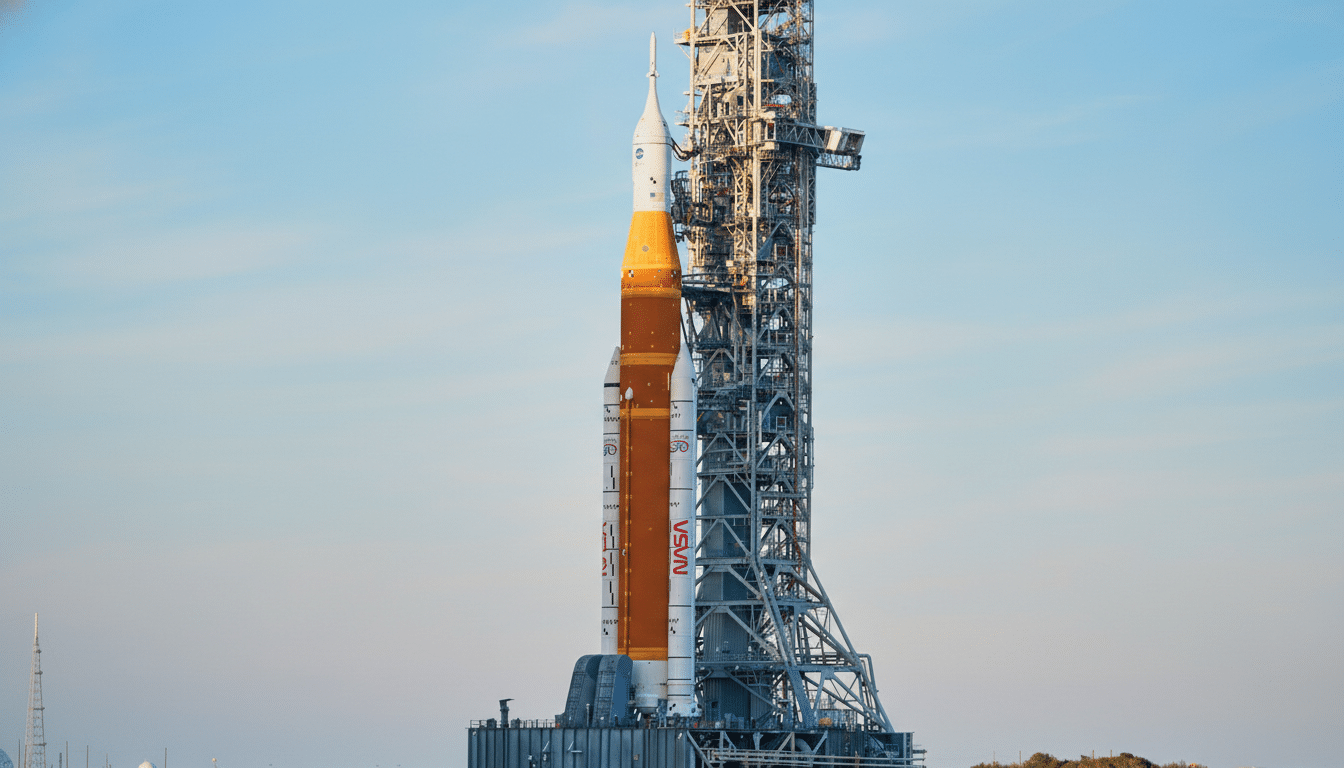
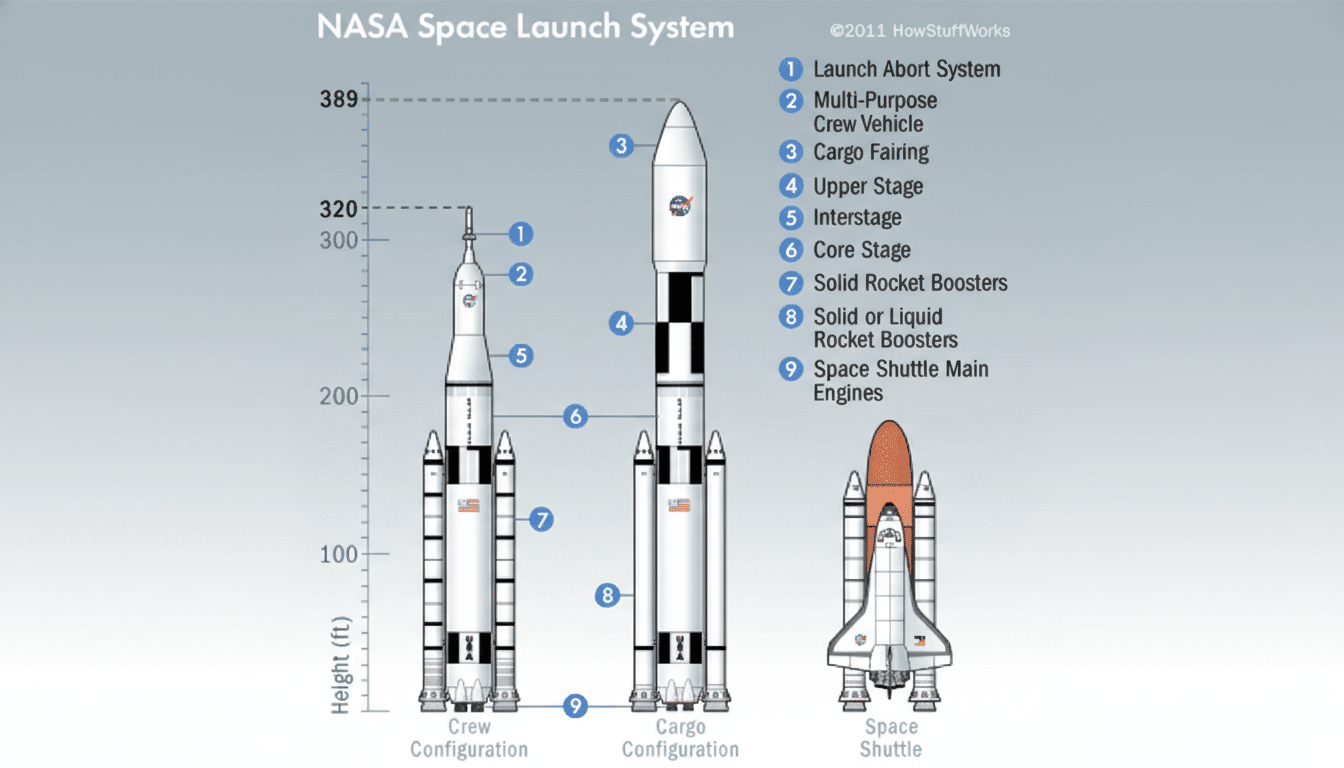
NASA’s mega-rocket, the Space Launch System (SLS), has been flying too infrequently to retain hard-won expertise across teams and contractors. The result has been recurring issues: hydrogen leaks during the first mission’s countdown campaigns and, more recently, helium flow problems in the crewed flight’s upper stage. Internal and independent watchdogs, including the Government Accountability Office and NASA’s Aerospace Safety Advisory Panel, have repeatedly warned that long gaps between launches fuel schedule slips and technical churn.
By reframing Artemis as a step-by-step test program, the agency aims to standardize configurations, preserve “muscle memory” across the workforce, and drive down the risk of late-discovered faults. The target is roughly one launch every 10 months—a rhythm intended to keep teams current and hardware production predictable.
What Changes for Artemis III in the New Flight Plan
Artemis III transitions from a lunar landing attempt to an Earth-orbit operations mission. Crews will rehearse rendezvous and proximity operations between Orion and one or both of the commercial Human Landing Systems, built by SpaceX and Blue Origin. The goal is to validate how the vehicles find each other, station-keep, and potentially demonstrate docking mechanics before committing the stack to a lunar trajectory.
Engineers plan to evaluate life-support performance, avionics, power management, and communications under real flight conditions. If schedules align, limited checks of the new Axiom Space lunar EVA suit in weightlessness could also be on the slate—an early look at how critical systems behave before they’re tasked with surface operations.
Updated Timeline and Launch Cadence for Artemis Missions
Reworking Artemis III as an Earth-orbit rehearsal opens a cleaner path for Artemis IV to become the first crewed lunar landing under the revised plan, with Artemis V following if the tempo holds. NASA emphasizes that all dates remain condition-based, driven by hardware readiness, test outcomes, and safety reviews. The central metric of success is cadence: sustaining a repeatable, roughly 10‑month drumbeat rather than bespoke, years-apart mega-missions.
Hardware constraints and safety drivers behind the shift
Technical realities prompted the shift. After a successful “wet dress” fueling test of the crewed SLS, teams uncovered a helium flow anomaly in the upper stage—an issue that demands access in the Vehicle Assembly Building. While stacked inside, technicians are swapping suspect helium components, refreshing flight termination system batteries, replacing a liquid oxygen line seal, completing Orion closeouts, and practicing capsule sealing procedures.
These are exactly the kinds of tasks that benefit from a higher flight rate and standardized playbooks. NASA’s argument is straightforward: practice complex choreography near Earth, retire risk methodically, and save the landing for a mission that’s already proven the plumbing, the procedures, and the people.
Industry costs and workforce changes shaping Artemis
The agency plans to hold SLS at its current configuration for multiple flights rather than quickly evolving the design. That choice addresses two chronic problems flagged by the GAO and NASA’s Office of Inspector General: concurrency and customization. Fewer configuration changes mean less one-off reengineering, faster turnaround, and clearer supply chains.
Leaders also signaled a shift in who does the work. NASA intends to rebuild in-house launch and systems expertise, reducing heavy dependence on outside contractors who today account for roughly 75% of technical labor across major elements. The goal is to preserve critical know-how between flights, improve responsiveness during countdown operations, and strengthen government control of mission-critical processes.
Cost pressure looms over every decision. Past OIG assessments place Artemis spending in the tens of billions to date, with SLS and Orion carrying multibillion-dollar price tags per flight. A stable design and repeatable cadence are among the few levers that can bend that curve: learning effects, bulk buys, and well-rehearsed integration cycles.
Geopolitics and competitive pressure on lunar efforts
Strategically, cadence is also about credibility. China is pushing toward its own crewed lunar objectives under the International Lunar Research Station initiative. A NASA that flies reliably, even with a more incremental build-up, signals capability and momentum while preserving safety margins. Gateway—the planned lunar-orbiting outpost—remains part of the architecture but will progress in step with the new flight rhythm.
What to watch next as NASA pivots to an Artemis IV landing
Near-term milestones include validating the crewed SLS upper-stage helium fix, completing flight readiness reviews, and detailing the Artemis III rehearsal objectives. On the commercial side, watch for docking interface maturity, rendezvous autonomy testing, and progress on Starship and Blue Origin lander flight demos. Axiom Space’s suit testing and environmental qualification will be another bellwether for surface readiness.
Oversight from the Aerospace Safety Advisory Panel, GAO status reports, and NASA’s own quarterly program reviews will provide signals on whether the new plan is bending risk and schedule in the right direction. If the agency can lock in a real 10‑month cadence and conduct a clean Artemis III operations rehearsal, Artemis IV’s landing won’t just be a milestone—it will be the logical next step.

