


From the buzzing halls of Barcelona, we’re tracking the biggest reveals and the surprise showstoppers shaping Mobile World Congress 2026. Today’s live highlights span ultra-thin foldables with outsized batteries, camera-first flagships, playful AI-powered concepts, and a fresh wave of service robots. Expect fewer chest-thumping specs for their own sake and more practical integrations of AI, battery tech, and durability that point to where the industry is actually heading.
Flagship Phones Steal Early Headlines at MWC 2026
Honor lit up the preview days with the Magic V6, a foldable that pairs ambition with engineering restraint. The device measures a notably slim 8.75mm when closed, yet carries IP68 and IP69 ratings—robust protection we rarely see combined on a mainstream foldable. The real eyebrow-raiser is inside: a 6,660mAh silicon-carbon battery, a material shift that allows higher energy density without ballooning weight. For perspective, Samsung’s Galaxy Z Fold 7 packs 4,400mAh, underscoring just how aggressive Honor’s approach is.
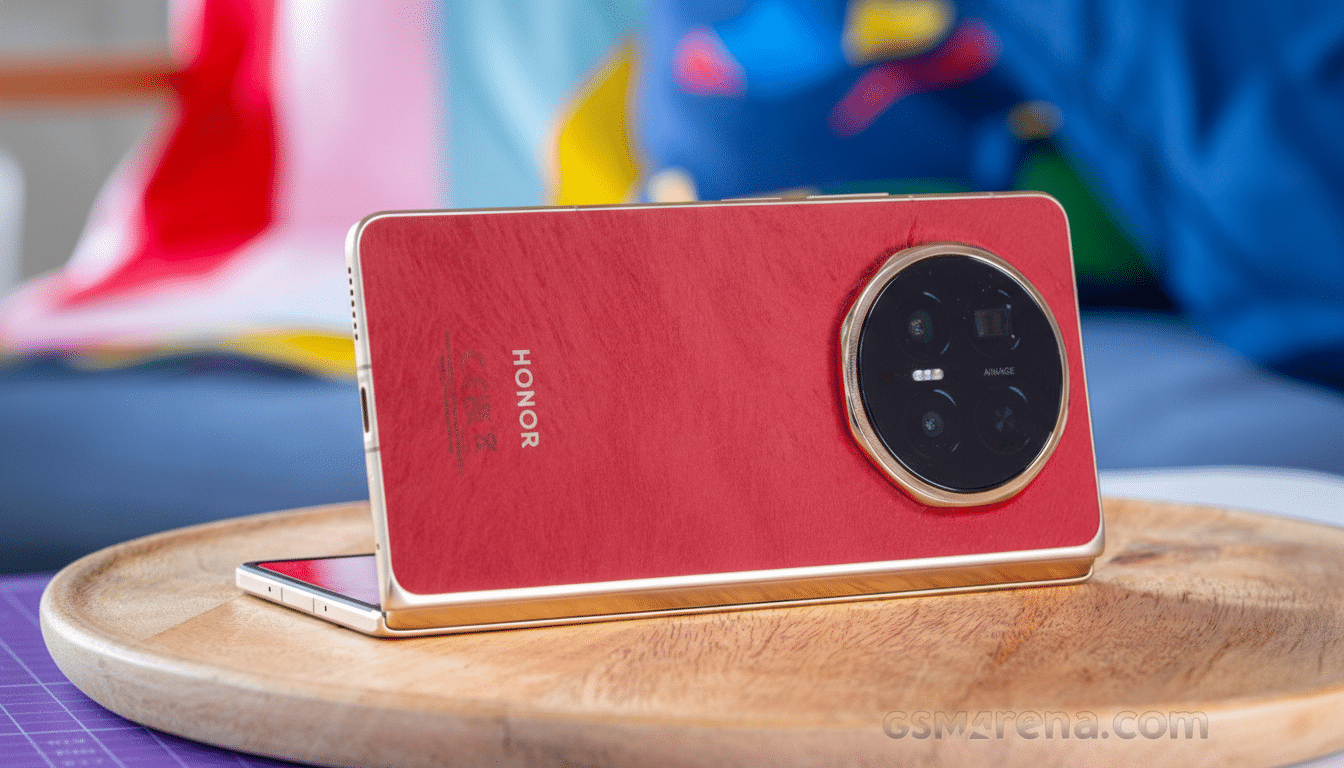
Honor is also touting extreme brightness—up to 6,000 nits on the outer panel and 5,000 nits on the inner for HDR content—designed for legibility in sunlit streets and punchier video. Powering it all is Qualcomm’s Snapdragon 8 Elite Gen 5, the same silicon seen in top-tier flagships this cycle, setting the stage for on-device AI and gaming performance that doesn’t wilt under multitasking.
The bigger story is what these choices signal. Counterpoint Research has flagged battery life, camera quality, and durability as the three upgrade drivers consumers care about most, and the Magic V6 attacks each head-on. Foldables have moved beyond novelty; the best now feel like laptops that happen to fold, not experiments with hinges.
Xiaomi, meanwhile, grabbed attention with the Leica Leitzphone, a camera-first flagship built on the Xiaomi 17 Ultra’s foundation but tuned for purists. Co-developed with Leica, it leans into a distinctive imaging pipeline and enthusiast controls that give photos that “Leica look” straight out of the camera. Xiaomi says the Leitzphone lands at 1,999 euros and won’t ship in the US, a familiar limitation for the company’s most ambitious hardware, but it’s a potent statement about where mobile photography is headed—toward specialized, personality-rich shooters rather than spec-sheet clones.
At the fun end of the spectrum, Nothing teased a pastel pink take on its upcoming Phone 4a. The midrange category thrives on a mix of value and vibe, and this is a savvy play: in Europe, mid-tier models consistently make up a large slice of shipments, according to Canalys, and colorways can be the nudge that turns curiosity into cart.
Concept Devices Push Boundaries in AI and Design
Honor’s Robot Phone stole its share of glances with a rotating camera gimbal that physically extends from the back of the device. In demos, it handled body tracking during video calls and offered smoother handheld footage; it also nodded and “danced” to music, a whimsical flex that gives the handset literal character. Honor hasn’t pinned down a release date, but the concept underscores a broader MWC theme: AI that moves beyond text prompts and integrates with sensors and motion to feel tangible.
We’re also seeing a quiet rise in designs that prioritize sustained performance over momentary peaks. Thinner vapor chambers, smarter thermal graphite stacks, and tighter AI-managed power profiles suggest that vendors finally realize benchmarks don’t matter if your hands get hot. IDC’s recent commentary on buyer fatigue aligns with this pivot—reliability and endurance are replacing gimmicks as the surest path to upgrades.
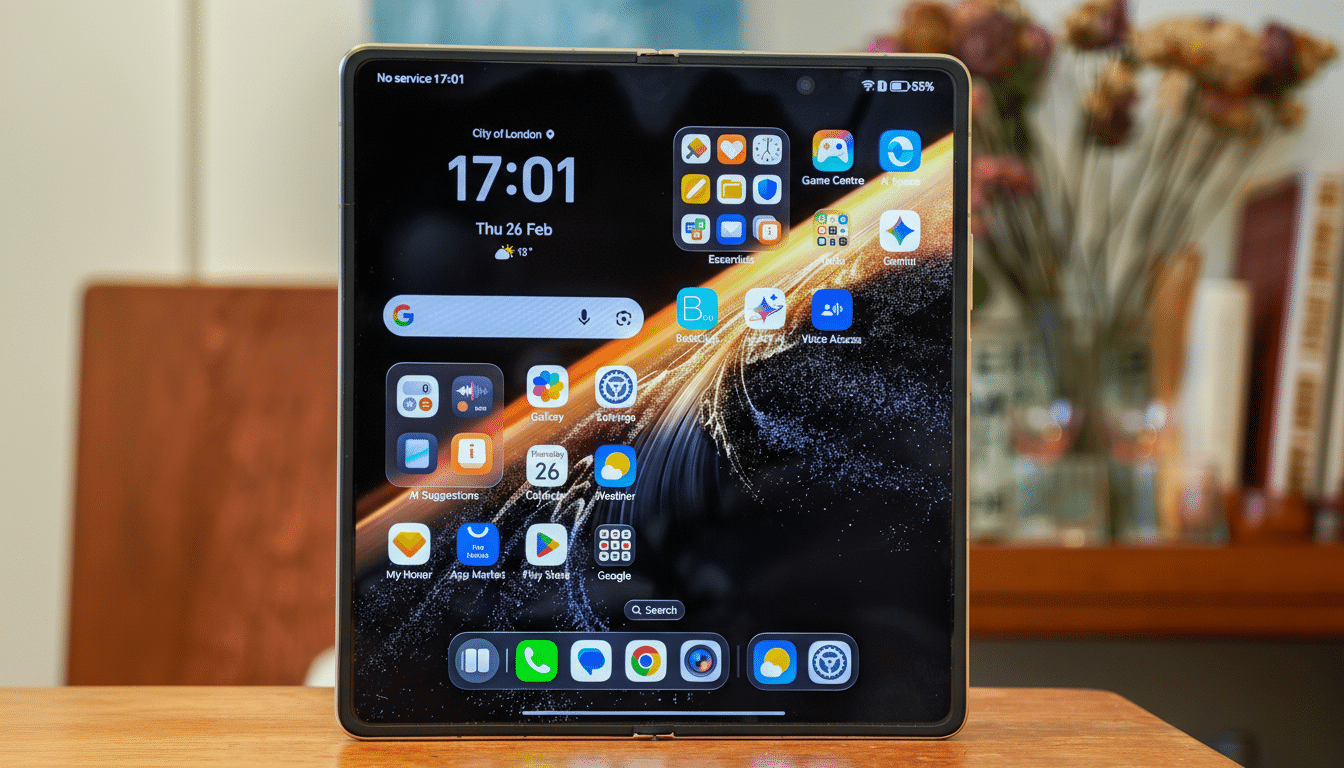
Another thread: displays that adapt to context. Peak HDR brightness numbers make great slides, but the smarter play is dynamic tuning—panel drivers and ambient algorithms that lift readability outdoors and relax indoors to save power. Expect more devices touting adaptive control as a headline feature rather than an afterthought buried in settings.
Robots Roam the Halls with 5G and Edge AI Advances
Beyond phones, service robots are having a moment. We’ve seen wheeled assistants mapping booths with on-device vision models, telepresence units offering low-latency steering over 5G, and delivery bots designed for hospitals and hotels. The common thread is cost control and autonomy: better edge AI, cheaper depth sensors, and denser batteries are shrinking bills of materials and support overhead.
This isn’t cosplay for the show floor. GSMA has long positioned MWC as the nexus of telecom and adjacent industries, and robotics is finally benefiting from the same network advances that made cloud gaming and UHD streaming viable on mobile. With 5G Advanced deployments accelerating and device makers adding more robust radios, robots that can fail gracefully offline but excel when connected are moving from pilot to procurement.
Why This Year Matters for Phones, AI, and Robotics
Three meta-trends cut through the noise. First, on-device AI is becoming a feature you feel, not just see in marketing—instantly transcribing calls, reorganizing galleries, and stabilizing video without crippling battery life. Second, materials innovation is real: silicon-carbon batteries and tougher hinge alloys are yielding slimmer devices with fewer compromises. Third, ecosystem thinking is back. Google and Samsung are emphasizing continuity across phones, wearables, and PCs over flashy hardware for hardware’s sake, a sign the market is maturing again.
MWC typically draws well over 100,000 attendees, according to GSMA, and the density of announcements here tends to set the tone for the year. If early signals hold, 2026 will be about smarter power use, experiential camera systems, and robots that finally start earning their keep outside demos.
What We’re Watching Next from Barcelona at MWC 2026
We’ll continue tracking hands-on impressions of Honor’s Magic V6 and Robot Phone, deeper camera testing on the Leica Leitzphone, and fresh details on Nothing’s pastel-tinted 4a. Keep an eye out for ecosystem updates from Google and Samsung that bind phones to wearables and PCs with fewer taps. And, as always at this show, watch for the left-field prototype that nobody saw coming—the one that flips the conversation in a single demo.
