


Mobile World Congress is about to put the spotlight on the year’s most ambitious smartphones, and the buzz centers on Xiaomi and Motorola. Expect a flurry of camera-first flagships, bolder foldables, and a fresh round of on-device AI features that aim to outpace cloud-dependent rivals. The show’s scale remains enormous — GSMA reported well over 100,000 attendees last year — and phone makers are eager to convert that attention into global momentum.
Xiaomi 16 Ultra and the latest round of camera wars
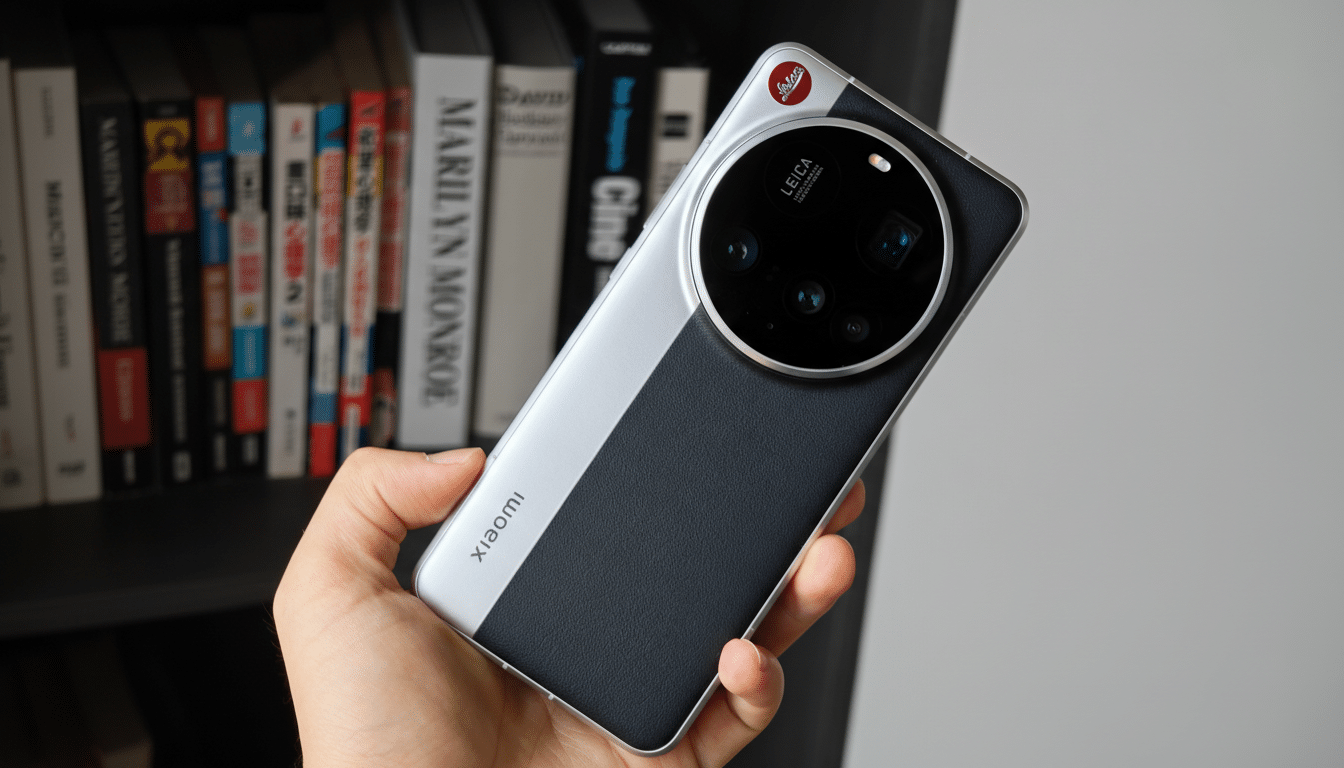
Xiaomi’s 16 Ultra is poised to be the camera phone to beat, with a global unveiling widely expected. The company’s Leica partnership has already put its devices at or near the top of independent rankings like DxOMark in prior cycles, and the new Ultra should double down with a larger primary sensor, refined computational photography, and a periscope stack built for low-light zoom. Look for smarter on-device AI for subject isolation, scene relighting, and multilingual voice capture that works offline — a practical step as privacy and latency concerns grow.
- Xiaomi 16 Ultra and the latest round of camera wars
- Motorola foldables get bolder with multi‑hinge designs
- Samsung and Google set the stage for on-device AI
- Honor Magic V6 and cross‑device tricks to watch
- Nothing and TCL target the value crowd with polish
- Specs and trends to watch at MWC’s mobile showcase
- Bottom line for MWC shoppers weighing new phones
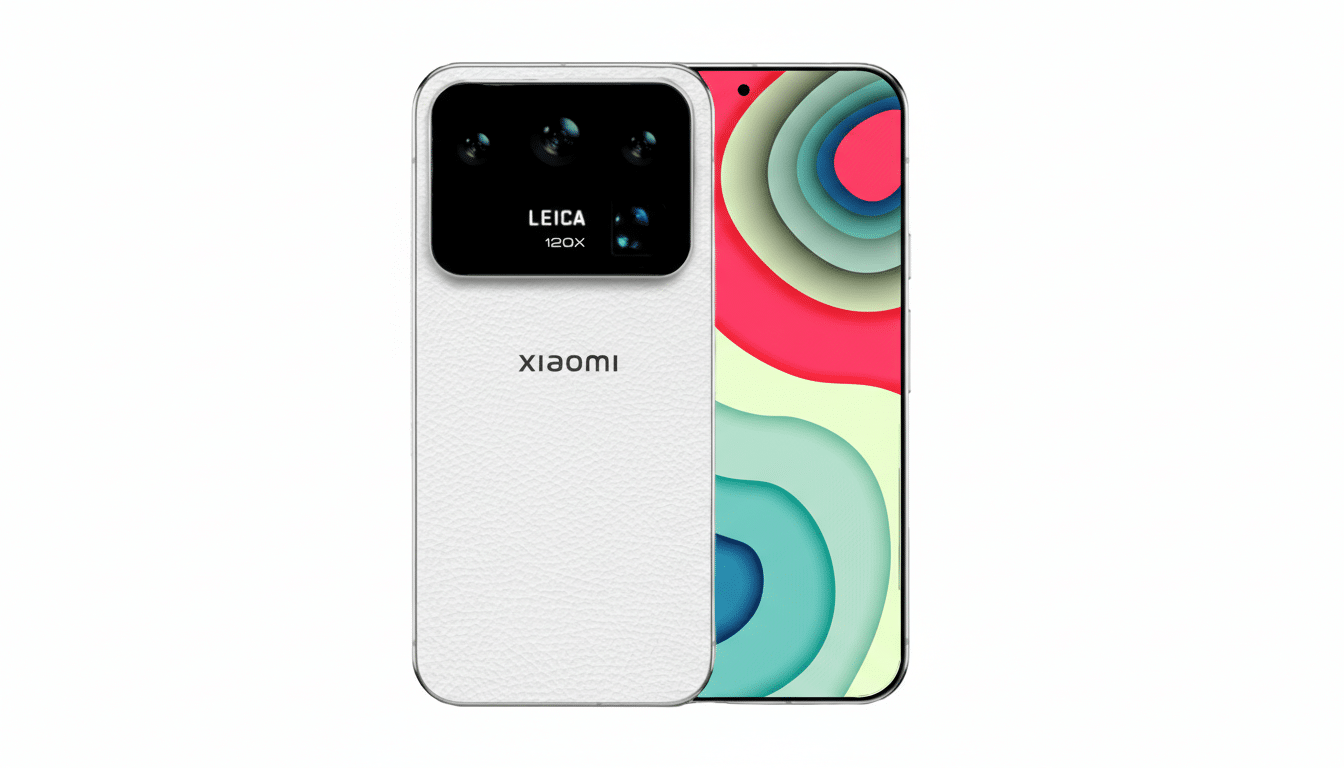
Charging and endurance will also be a headline. Xiaomi has normalized ultra-fast wired charging on its flagships, and a 5,000mAh-class battery with triple-digit wattage charging would be unsurprising. Historically, global variants of Xiaomi flagships can differ slightly from Chinese models in modem bands, charging caps, and memory tiers, so watch the fine print for regional changes.
Motorola foldables get bolder with multi‑hinge designs
Motorola’s Razr line helped reignite interest in clamshell foldables, and the next step looks bigger — literally. Industry chatter and prior prototypes suggest Motorola is testing multi-hinge designs that expand from phone to small tablet, aiming to bridge productivity and portability without the bulk of early book-style foldables. If we see a teaser or limited demo in Barcelona, expect the company to emphasize hinge durability, crease minimization, and a more polished “Ready For” desktop mode to court hybrid workers.
There is real market room here. Analysts at Counterpoint Research have flagged steady double-digit growth for foldables, with clamshells leading adoption thanks to price and pocketability. A credible phone-to-tablet device with strong software could push the category beyond novelty and into everyday utility.
Samsung and Google set the stage for on-device AI
Samsung is unlikely to keep quiet, even if its major launches have already started. A broader rollout of its tri-fold concept would steal attention, and demo units of its latest Galaxy flagships typically draw long lines. Google, meanwhile, tends to use MWC to showcase Android feature drops and ecosystem partners rather than new hardware. Expect on-device AI enhancements for messaging, photos, and accessibility, along with tighter integrations that make switching between phones, tablets, and cars less clunky. Firms like CCS Insight have been clear that AI shifting from cloud to device is this year’s mobile battleground.
Honor Magic V6 and cross‑device tricks to watch
Honor’s Magic V6 foldable is set to headline the brand’s lineup, supported by tablets and laptops that showcase a cohesive multi-device story. Expect instant hotspot handoffs, clipboard sync, and drag‑and‑drop across screens, as well as AI features like document summarization and real-time transcription that work locally. The big question is reliability: cross-platform promises sound great on stage, but consistent performance across Wi‑Fi conditions and mixed operating systems is what wins long-term users.
Nothing and TCL target the value crowd with polish
Nothing’s next midrange entry is already teasing design-led flair, and the company’s playbook is clear: a clean Android build, playful Glyph lighting, and fast performance that undercuts flagships. The brand’s software cadence has been solid, and maintaining that pace on a lower-cost device will matter more than spec one‑upmanship. TCL, meanwhile, will lean on its NXTPAPER displays aimed at eye comfort, reduced glare, and lower blue light — a tangible differentiator for students, avid readers, and binge‑watchers.
Specs and trends to watch at MWC’s mobile showcase
- Imaging: 1‑inch‑type sensors, variable apertures, and smarter multi-frame processing to reduce motion blur and improve night zoom. Watch for refined portrait modes with better edge detection on hair and glasses — a persistent pain point in lab tests by outlets like DxOMark.
- Performance: Next‑gen flagship chipsets with improved NPU throughput for on-device AI, paired with faster storage and RAM. Sustained performance under heat will separate the best cooling designs from the rest.
- Connectivity: Wider Wi‑Fi 7 adoption and early 5G‑Advanced features. Expect more eSIM‑only flagships and expanded satellite messaging trials in select markets.
- Displays: Higher PWM dimming frequencies for reduced flicker, tougher ultra‑thin glass for foldables, and better crease management — areas Display Supply Chain Consultants has highlighted as maturity markers for the category.
- Charging and longevity: Faster charging remains a headline, but cycle life and thermal control are now scrutinized. Look for manufacturers to cite 800–1,000 cycle durability claims and smarter charge bypass modes to preserve battery health.
Bottom line for MWC shoppers weighing new phones
If you want the sharpest cameras and fastest charging, keep your eyes on Xiaomi’s 16 Ultra. If you’re foldable‑curious and productivity‑minded, Motorola’s next Razr‑adjacent reveal could be the most consequential. Samsung and Google will frame the software narrative, while Honor, Nothing, and TCL round out a competitive middle with pragmatic features at friendlier prices.
The best advice: trust demos you can reproduce. Check screen PWM settings for eye comfort, test shutter lag in low light, try desktop modes with real keyboards, and confirm regional band and charging specs. MWC will deliver the sizzle — your job is to find the steak.
