


Motorola has confirmed plans to ship phones with GrapheneOS preinstalled, an unprecedented vote of confidence in a privacy-first Android fork from a major manufacturer. Announced at Mobile World Congress alongside a broader security push, the partnership with the GrapheneOS Foundation brings a hardened, open-source Android experience to future Motorola flagships as an alternative to stock builds.
This is bigger than a new skin or feature drop. It’s a signal that mainstream smartphone strategy is finally expanding beyond “Android versus iOS” to include an option built for rigorous privacy controls, transparent code, and verifiable security. And yes, I can’t wait to see it land on devices people can actually buy off the shelf.
- Why preinstalled GrapheneOS on Motorola phones matters
- Key privacy and security gains from GrapheneOS phones
- Open Source Credentials With Accountability
- Updates And Longevity Could Be The Differentiator
- App experience without the lock-in of privileged services
- The trust question and how to evaluate the supply chain
- Why This Is A Win For Privacy And Open Source
Why preinstalled GrapheneOS on Motorola phones matters
Today, GrapheneOS officially supports only Google Pixel hardware, and most users install it themselves via a well-documented web installer. That barrier—bootloader steps, attestation checks, and the risk of getting it wrong—keeps many privacy-conscious users on the sidelines. Estimates from the project suggest a community of roughly 250,000 users, impressive for a DIY OS but tiny next to the global Android base.
Factory preinstallation eliminates those hurdles. It aligns secure boot, verified firmware, and the operating system under one supported path, with updates arriving over the air like any other OEM phone. For enterprises, it means a procurement-ready device with consistent builds, documented controls, and warranty support—not a one-off tech experiment.
Key privacy and security gains from GrapheneOS phones
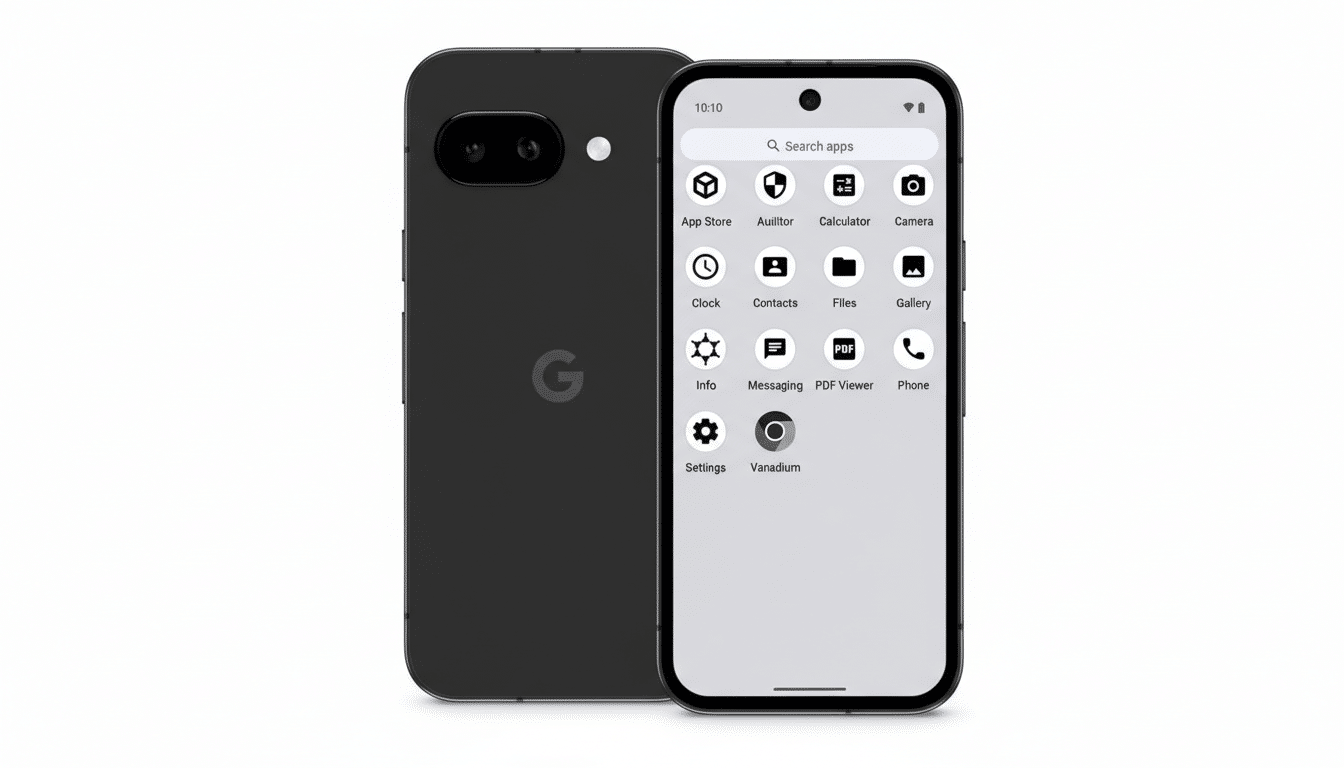
GrapheneOS builds on the Android Open Source Project with substantial hardening. Highlights include stronger app sandboxing, exploit-resistant memory allocators, and fine-grained toggles to shut off network, sensors, and other capabilities on a per-app basis. Its Vanadium browser is a security-hardened Chromium variant, designed to tighten site isolation and reduce attack surface.
The project’s approach to Google services is pragmatic: official Google Play components can be installed as regular sandboxed apps, not privileged system processes. That satisfies the compatibility needs of many everyday apps while avoiding deep integration that can weaken privacy. Some titles that depend on strict device integrity checks may still balk, but most mainstream communication, productivity, and navigation apps run smoothly in practice.
Hardware security is a central plank. The companies say they will co-develop devices that meet strict standards, including support for memory tagging to blunt entire classes of memory corruption bugs. Google’s security team has reported that memory safety issues have historically accounted for a large share of severe vulnerabilities—around 60–70% in Chrome and roughly half across parts of Android—so architectural defenses like memory tagging are not academic; they directly target real-world exploit chains.
Open Source Credentials With Accountability
GrapheneOS is unapologetically open source. Its own code is primarily MIT-licensed, inherited AOSP components remain under Apache 2.0 or upstream terms, and the Linux kernel stays under GPLv2. That licensing mosaic enables broad review while protecting contributions. The project’s security model leans on verifiable builds, hardware-backed verified boot, and remote attestation tooling so users can confirm that the OS running on their device is genuine.
Preinstalling on mainstream hardware raises the bar for supply-chain transparency. The strongest outcome here would include published software bills of materials, independent third-party audits, and clear update lifecycles. Organizations like the EFF and leading academic security labs have long argued that open code plus reproducible processes make systems easier to scrutinize and, ultimately, safer for end users.
Updates And Longevity Could Be The Differentiator
Security is a moving target, so the real test will be update cadence and support windows. Top Android vendors now advertise as much as 7 years of OS and security updates. If Motorola pairs GrapheneOS with similarly long-term support across firmware, drivers, and boot chains, it would turn these devices into credible daily drivers for privacy-focused consumers and regulated industries alike.
Equally important is keeping carrier variants aligned with the same build quality and timely patches. A privacy phone is only as strong as its weakest build and its slowest update channel.
App experience without the lock-in of privileged services
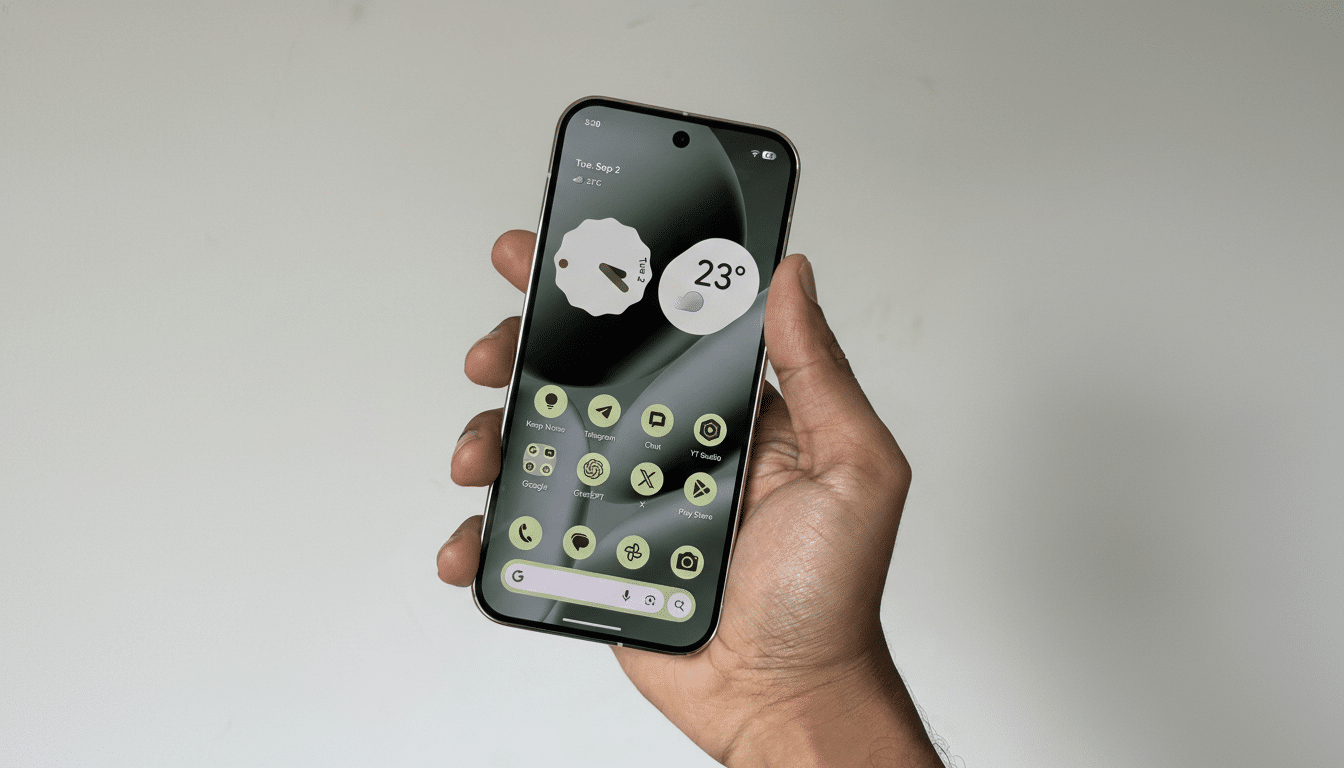
GrapheneOS ships with its own app repository and supports independent stores such as F-Droid and Obtainium, making it easy to source open-source software without detouring through large commercial portals. For those who need them, sandboxed Google Play components restore push notifications and APIs for many popular apps, while keeping trust boundaries intact. It’s a practical middle path that respects user choice.
The trust question and how to evaluate the supply chain
Some observers will raise supply-chain questions given Motorola’s ownership structure and the mix of proprietary components common in modern smartphones. That scrutiny is healthy. The right response is measurable assurance: document the secure boot chain, commit to independent audits, disclose kernel and firmware patch levels, and maintain a public issue tracker mapped to CVEs. Transparency turns debate into verification.
Why This Is A Win For Privacy And Open Source
For years, privacy-first mobile operating systems have lived in a parallel universe—admired by experts, adopted by enthusiasts, but out of reach for most buyers. Motorola bringing GrapheneOS to retail hardware collapses that gap. It normalizes the idea that opting into stronger privacy and open-source security doesn’t require tinkering or trade-offs that break your daily apps.
If Motorola executes on the hardware standards, update promises, and transparency that GrapheneOS demands, these phones could become the reference devices for people and organizations who want modern smartphone convenience without surrendering control. That’s not just good for one brand or project—it raises expectations for the entire industry.
