


NASA veteran Mike Fincke has identified himself as the astronaut who suffered a medical problem aboard the International Space Station, ending weeks of speculation and confirming he is recovering well after an accelerated trip home with his SpaceX Crew-11 crewmates.
Fincke, a seasoned flyer and former station commander, said he is undergoing the routine postflight rehabilitation all astronauts complete and credited rapid teamwork in orbit and on the ground for his quick stabilization and care.
Astronaut Confirms Health Event And Recovery
In a statement shared through NASA, Fincke acknowledged that an unexpected health event occurred one day before a planned spacewalk. His crewmates acted immediately, guided by NASA flight surgeons, and the team determined he needed diagnostics not available in orbit.
After splashdown, he was evaluated at Scripps Memorial Hospital La Jolla near San Diego, where he thanked medical staff for advanced imaging and follow-up testing. While he did not disclose a diagnosis, he emphasized that he’s “doing very well” and reflected that spaceflight can be a stark reminder of human vulnerability.
Why NASA Ordered An Early Return To Earth
NASA directed a controlled, expedited return for Crew-11 — a first-of-its-kind medical evacuation for the station’s decades-long continuous operations. Agency leaders drew a clear distinction between this measured plan and an emergency deorbit, which would forgo ideal weather or sea state conditions and leave little margin for preparation.
The decision underscored the limits of in-orbit medicine. The station has robust telemedicine links and an ultrasound unit, but no CT, MRI, or comprehensive laboratory capability. When doctors concluded ground-based imaging and specialists were required, Dragon’s near-term landing opportunities and the recovery pipeline offered the best route to definitive care.
Crew-11 And Fincke’s Record In Space Missions
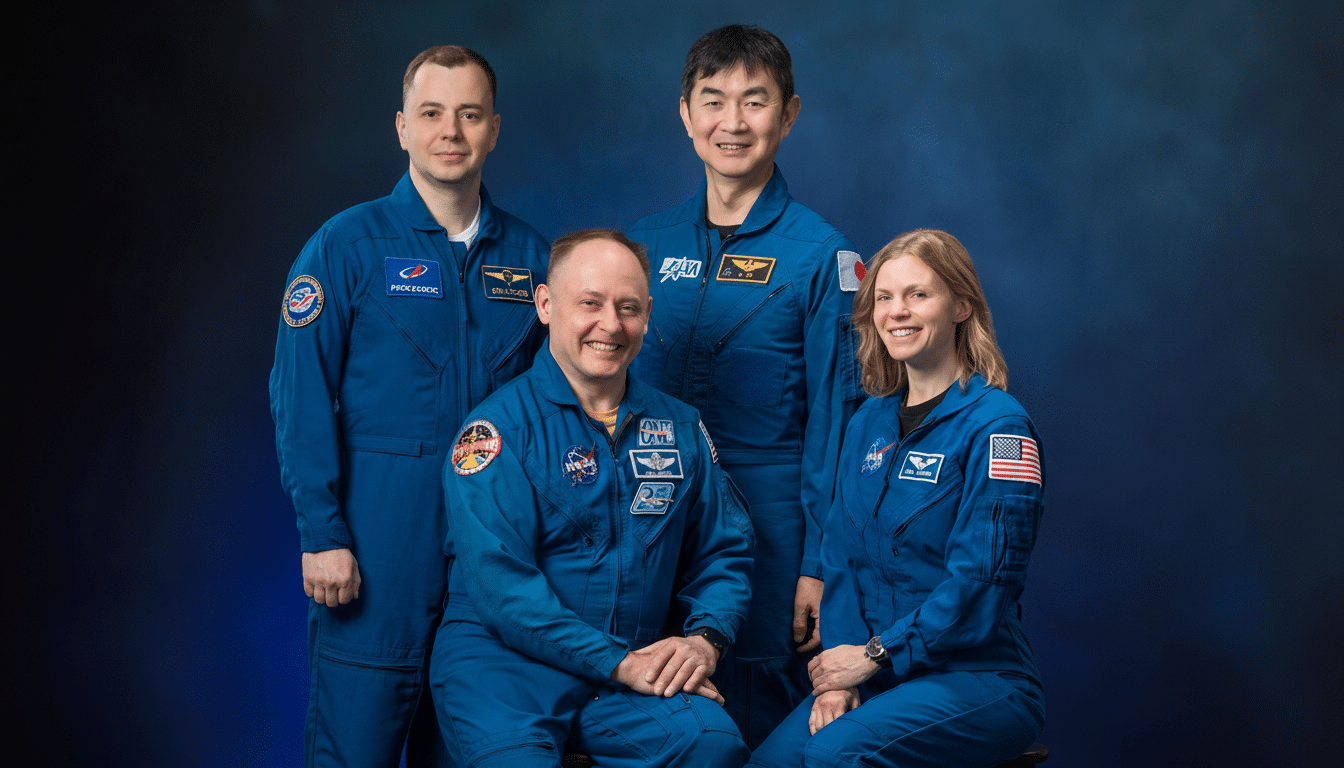
Fincke served as pilot on Crew-11 alongside NASA’s Zena Cardman, JAXA astronaut Kimiya Yui, and Roscosmos cosmonaut Oleg Platonov. The quartet reached the station together and returned earlier than planned after the onboard medical event.
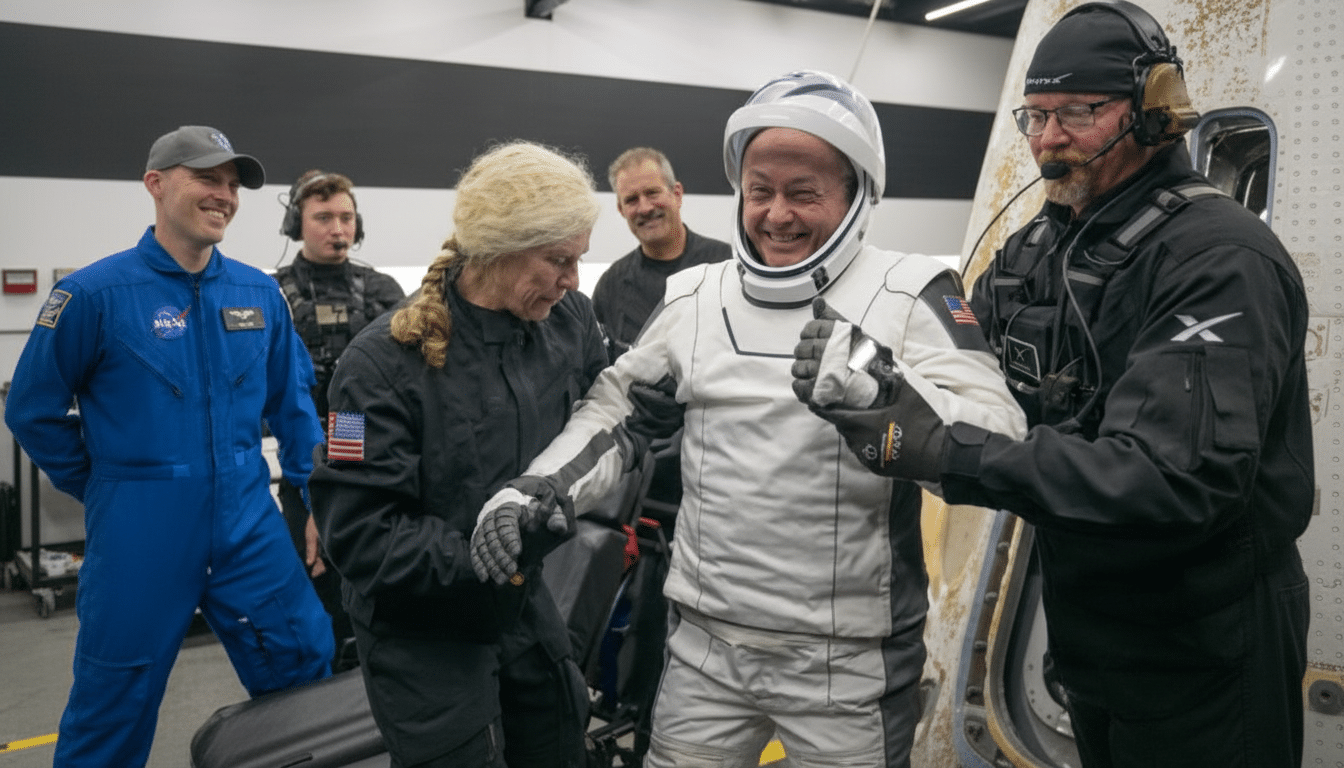
A NASA astronaut since the 1990s, Fincke is among the agency’s most experienced flyers. He has accumulated 549 days in space across multiple expeditions and shuttle missions and has performed nine spacewalks totaling 48 hours and 37 minutes. Following Crew-11’s early departure, a single American astronaut, Chris Williams, maintained U.S. operations on the outpost until the arrival of the next crew rotation.
What Medical Care Looks Like Aboard The ISS
ISS crews routinely manage minor ailments such as motion sickness, headaches, back pain, dental issues, and skin infections using the onboard medical kit and remote physician consults. NASA’s protocols have successfully handled more complex problems as well. In one widely cited case reported in a leading medical journal, an astronaut’s neck blood clot was treated initially with injections of a blood-thinning medication and then transitioned to oral therapy delivered on a cargo ship.
Still, even routine complaints can be complicated by microgravity’s effects on fluids, vision, and bone and muscle. With the station orbiting roughly 250 miles above Earth, definitive diagnostics and procedures often depend on returning home. That reality shapes crew selection, preventive screening, and contingency planning, including Dragon’s ability to undock on short notice while preserving a controlled landing window.
NASA’s Next Steps And The Bigger Picture
NASA’s chief health and medical officer has indicated the in-flight incident was not a work-related injury, and the agency has respected medical privacy while the astronaut recovered. Internally, officials are expected to fold lessons from the event into training, onboard stocks of medications and supplies, and decision trees for expedited return.
The episode carries implications beyond low Earth orbit. As NASA and its partners prepare for longer lunar missions and eventual voyages to Mars — where evacuation could be impossible — they are investing in more autonomous medical capabilities, compact diagnostics, and AI-enabled decision support. NASA’s Human Research Program has repeatedly flagged medical risk and limited care capabilities as mission-critical challenges for deep-space crews.
For now, Fincke’s disclosure offers reassurance on two fronts: the astronaut is on the mend, and the system designed to protect crews in space — from the flight surgeons in Mission Control to the recovery teams and physicians on the ground — worked precisely as intended when it mattered most.

