


A global crunch in mobile memory is colliding with the smartphone market, and analysts say the impact will be historic. A rapid surge in demand for DRAM to feed AI data centers has tightened supply for phones, with analyst firm IDC forecasting a 12.9% decline in smartphone shipments this year — the steepest single-year fall in more than a decade. Counterpoint Research independently projects a similar slide of around 12%.
The shock is being felt across price tiers, but most acutely at the low end, where slim margins leave little room to absorb component spikes. With memory one of the fattest lines in a phone’s bill of materials, rising RAM costs are pushing device prices up, delaying launches, and forcing hard compromises on specifications.
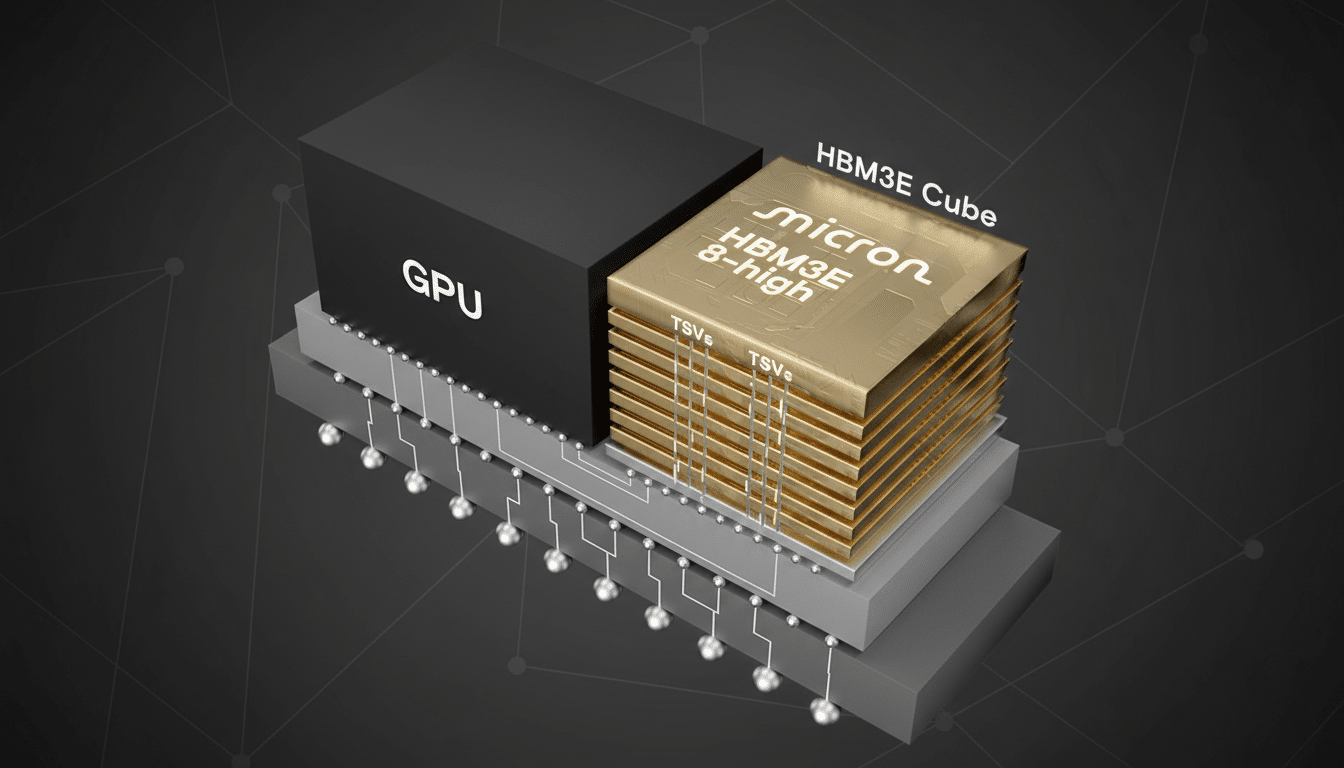
AI Server Boom Siphons Mobile DRAM Supply
At the root of the squeeze is a once-in-a-generation shift in memory allocation. DRAM suppliers are prioritizing high-bandwidth and server-class parts — notably HBM and DDR5 — to support AI training and inference in data centers. That reallocation constrains output for mobile-focused LPDDR, particularly legacy LPDDR4 that underpins entry-level devices.
Industry trackers say the capacity pivot by major suppliers — including Samsung, SK hynix, and Micron — has tightened availability and driven up pricing across the memory stack. Even where LPDDR5 and LPDDR5X are available for premium phones, scarcity and higher input costs ripple downstream, lifting average selling prices marketwide.
Shipments Squeezed While Prices Climb Sharply
IDC estimates shipments will fall from roughly 1.26 billion devices last year to about 1.12 billion this year. The firm warns this is not a passing blip but a structural reset that reshapes the total addressable market, competitive hierarchy, and product mix over the medium term.
Prices are moving in the opposite direction. IDC expects smartphone ASP to rise 14% to a record $523 as component inflation filters into retail tags. That combination — fewer units, higher prices — is rare in handsets and underscores how much leverage memory exerts over device economics.
Budget Phones Bear the Brunt of Memory Costs
The most painful pressure sits in entry tiers. IDC cautions that sub-$100 phones may become “permanently uneconomical” if RAM pricing stays elevated, a shift that would accelerate consolidation among smaller vendors and reduce consumer choice in emerging markets.
Counterpoint adds that sub-$200 models could see shipments drop by about 20% as LPDDR4 supply thins faster than anticipated. Premium devices, which can more easily absorb cost increases or adopt newer LPDDR5 variants, look comparatively resilient.

Regional Fallout and Supply Timelines Ahead
Not all regions are hit equally. IDC expects the Middle East and Africa to post the largest declines, with shipments down more than 20% year over year. China and the broader Asia Pacific region excluding Japan are also set to contract by double digits, reflecting both macro softness and constrained supply at lower price bands.
Analysts anticipate several more quarters of turbulence before the market finds footing. As new capacity ramps and yields improve, RAM pricing is expected to gradually stabilize, but visibility remains limited given aggressive AI-related demand and ongoing product mix shifts inside memory fabs.
How Manufacturers Are Responding to Memory Crunch
OEMs are already adjusting playbooks. Counterpoint reports launch delays, tighter model portfolios, and specification trade-offs — for example, fewer RAM and storage options or the reuse of older components where feasible. The firm has observed 10% to 20% price increases across some Android lineups this year as brands protect margins.
Some executives are speaking plainly about the trade-offs. Nothing co-founder and CEO Carl Pei recently warned that brands face a choice between raising prices by 30% in some cases or downgrading specs — a stark departure from the “more for less” value narrative that defined the budget segment over the past decade.
What It Means for Buyers and Carriers This Year
Consumers should expect fewer bargains and more subdued promotions, particularly on entry and mid-tier devices. Carriers and retailers may lean harder on financing, trade-ins, and refurbished options to keep monthly outlays palatable as upfront prices climb.
The second-hand market stands to benefit as buyers stretch replacement cycles. Counterpoint expects renewed momentum for refurbished and certified pre-owned phones as pricing volatility encourages value-conscious upgrades and operators sweeten buyback programs.
Bottom line: with AI-era computing soaking up memory and reshaping supply priorities, smartphones are set for their deepest shipment slump in years. Relief will come, but not before the market recalibrates around pricier components, leaner portfolios, and a new normal for what a “budget” phone can be.
