


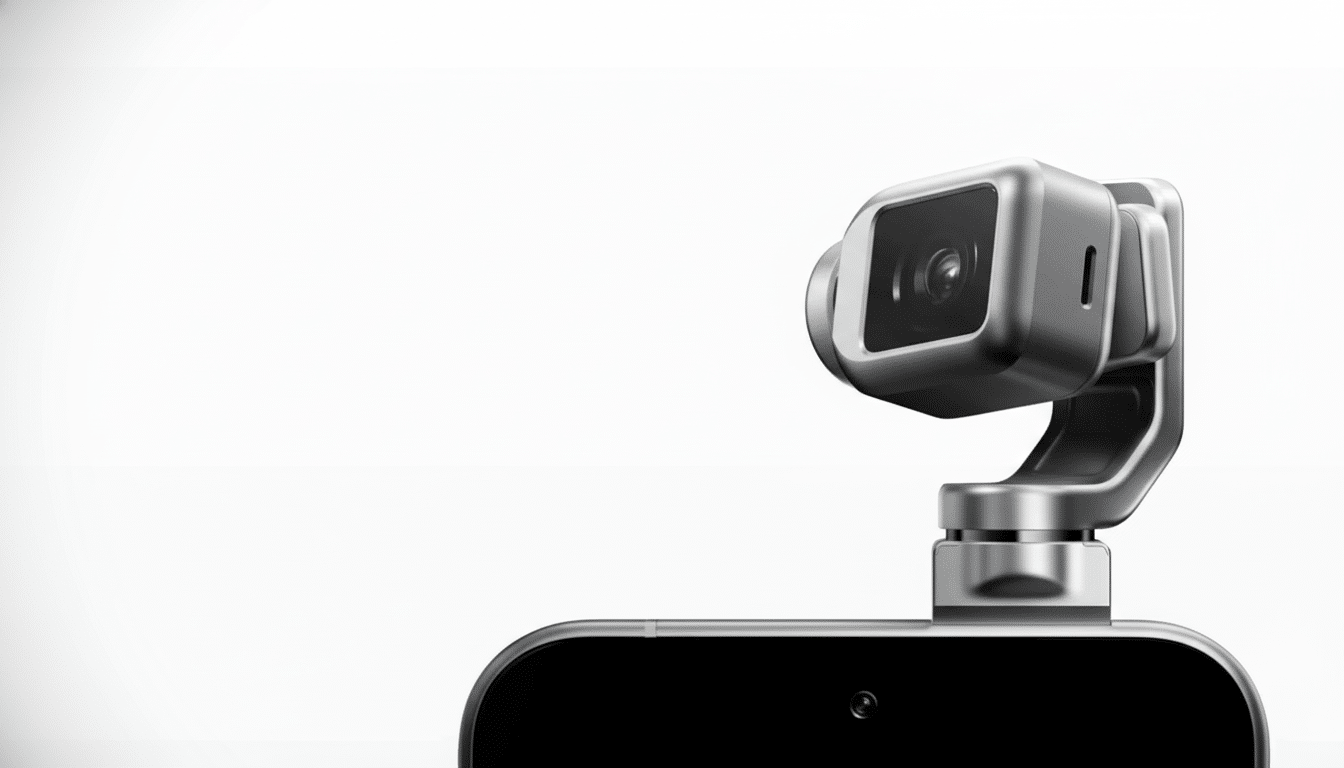
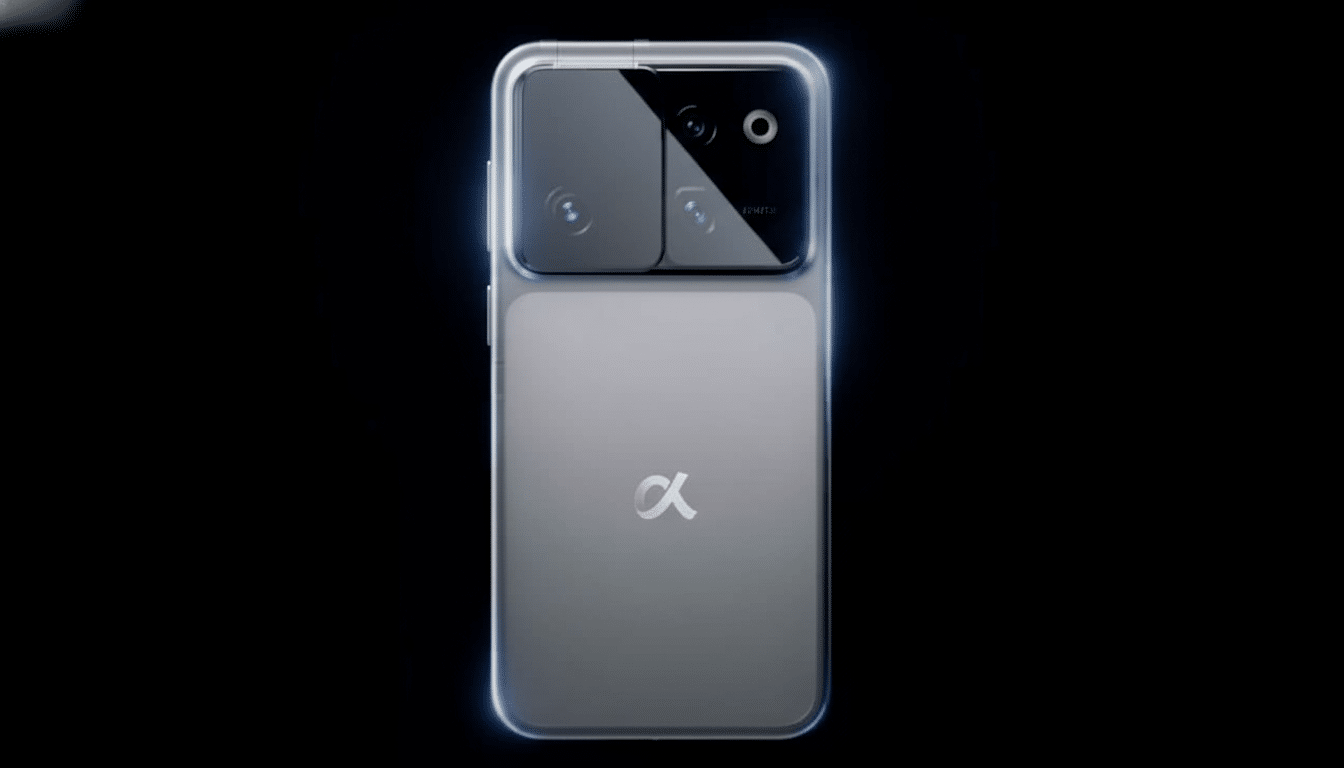
Honor’s experimental ‘Robot Phone’ — the concept phone with a motorised, multi‑axis camera arm — is not only escaping slick renders but may actually go into production, says a leaker. And RODENT950, an informer with an impressive record on Honor and Huawei hardware, believes the prototype is around 80% finished. That’s not a promise of mass production, but it hints that the idea is more than a CGI daydream and is pacing towards at least some kind of real demo.
Honor recently teased the device in a video that seemed unmistakably AI‑polished, triggering suspicions about whether this was at all possible. A working prototype changes the conversation: it moves away from “is this real?” to “can we engineer this to ship?” (We saw a less flattering model in Las Vegas.) The company has announced plans to tell us more at the MWC trade show in Barcelona, so perhaps we’ll receive public proof of progress.
What It Really Means When You Have An 80 Percent Prototype
In hardware, the final 20% is where dreams go to collide with durability, yield, and logistics. An 80% is interpreted to mean core mechanics, motion control, and basic imaging all working, but the hardest refinements — reliability, miniaturization, thermal management, and power efficiency — are likely still there. Navigating that chasm is often the difference between a concept ending up as a fancy trade show demo or something mainstream.
Leakers seldom deal in lab‑grade detail, but RODENT950’s accurate previews of other camera modules, chipsets, and industrial designs do add weight to their words. Even so, the difference between a hand‑assembled demo and a production line capable of making tens of thousands of units a week is infamous. This is even more applicable to such moving parts, which add complexity in testing and quality assurance.
Engineering Challenges For A Motorized Camera Arm
A deployable gimbal arm combines several high‑risk systems: delicate motors with a high degree of precision, flexible power and data cabling, and stiff hinges or sliders, as well as a camera module that should stay calibrated over the course of movement. Each piece introduces failure modes. Dust and water alone might necessitate trade‑offs with IP ratings — a challenge we’ve seen already with pop‑up cameras and phones that slide up.
Weight and power are the next cliffs. Add in a gimbal that pans, tilts, and stabilizes, and you’re adding grams and thickness; behind every motorized movement is battery burn. Electronic and optical stabilisation has become incredibly effective. However, an externalised rig is going to drain the battery further, especially after several continuous tracking shots. Non‑trivial heat management is a concern when both motors and ISP workloads operate simultaneously.
Durability is another question. Past mechanical experiments offer clues. OnePlus rated its pop‑up camera for hundreds of thousands of actuations, and phones like the Asus Zenfone 6 employed a flip module that survived repeated stress in durability tests by third‑party reviewers. Those projects proved that moving parts can ship — but they also demonstrated how challenging it is to sustain the combination of water resistance and long‑term reliability.
Why It Could Matter For Mobile Videography
Computational imaging is only getting better, but sometimes physics wins for a particular shot.
A physical gimbal arm could allow for perspectives that just aren’t possible on phones today: low‑angle tracking shots near the ground, parallax‑heavy moves around objects, and steadier walk‑and‑talk footage without an external stabilizer. Think of it as adding some of the versatility of a DJI‑style mobile gimbal into the phone.
We have already witnessed movement in that direction. Vivo’s micro‑gimbal modules extended correction angles compared to normal optical stabilisation, resulting in better low‑light video and pan-smoothness. But those systems pushed the sensor inside the housing. The Honor design takes this concept a step further by shifting the entire head of the camera, which could allow for far more complicated motion paths and subject framing that can’t be achieved with software alone.
Done right, creators end up with an all‑in‑one tool that makes them less dependent on accessories. For the brand, it’s a signature characteristic that is noticeable in a market where processor and display specs have become somewhat homogeneous. But it pays off only if the movement is accurate, quiet, and trustworthy — and if the phone still seems like a phone, not an R&D project in your pocket.
What To Watch For At The Next MWC Unveiling
If it can pass muster at the GSMA’s planned MWC showcase, with its live, uncontrolled demos, it would be a good litmus test. Crucial questions will include:
- How quickly and seamlessly the arm deploys
- Whether tracking is genuinely autonomous or simply pre‑programmed
- How stabilisation compares to top-tier OIS and EIS
- What sacrifices have been made for the effect, from IP rating to battery life
Supply chain signals will be important, as well. As component partners tied to shipments of actuator motors, flex cabling, and camera modules start suggesting they’re going to win business, the project leans more toward production. Conversely, a concept‑only appearance combined with a heavily edited video could be another sign it’s still a few years off and the team continues to shovel away on the last‑mile problems.
For now, its 80% prototype is an exciting sign that maybe the “Robot Phone” isn’t just a viral idea. The next step is testing in real hardware, in real hands, making real shots. If Honor can pull that off without violating the basic principles of usability, it could recast what a phone camera is physically capable of.
