


The midrange fight is heating up, and the latest Pixel 10a makes a compelling case against Samsung’s Galaxy A57. Both deliver strong value, but a closer look at display practicality, software support, charging features, and day-to-day usability tilts the balance toward Google’s newcomer for many shoppers.
The Midrange Face-Off That Matters for Most Buyers
Midrange phones are where most Android buyers land, a trend frequently underscored by analysts at Counterpoint Research and IDC. That makes the details here more than spec-sheet trivia. The Pixel 10a and Galaxy A57 target the same price-conscious crowd, but they prioritize different real-world wins: Google leans into ergonomics, smarter software, and charging convenience, while Samsung counters with a bigger display, more premium materials, and added camera versatility.
- The Midrange Face-Off That Matters for Most Buyers
- Display Size And Brightness In The Real World
- Battery Life And Efficiency Beyond The Specs
- Software Longevity And Update Speed Details
- Charging And Everyday Convenience That Matter
- Where Galaxy A57 Still Leads And Makes Its Case
- Price And Value Verdict For Budget-Conscious Buyers
Display Size And Brightness In The Real World
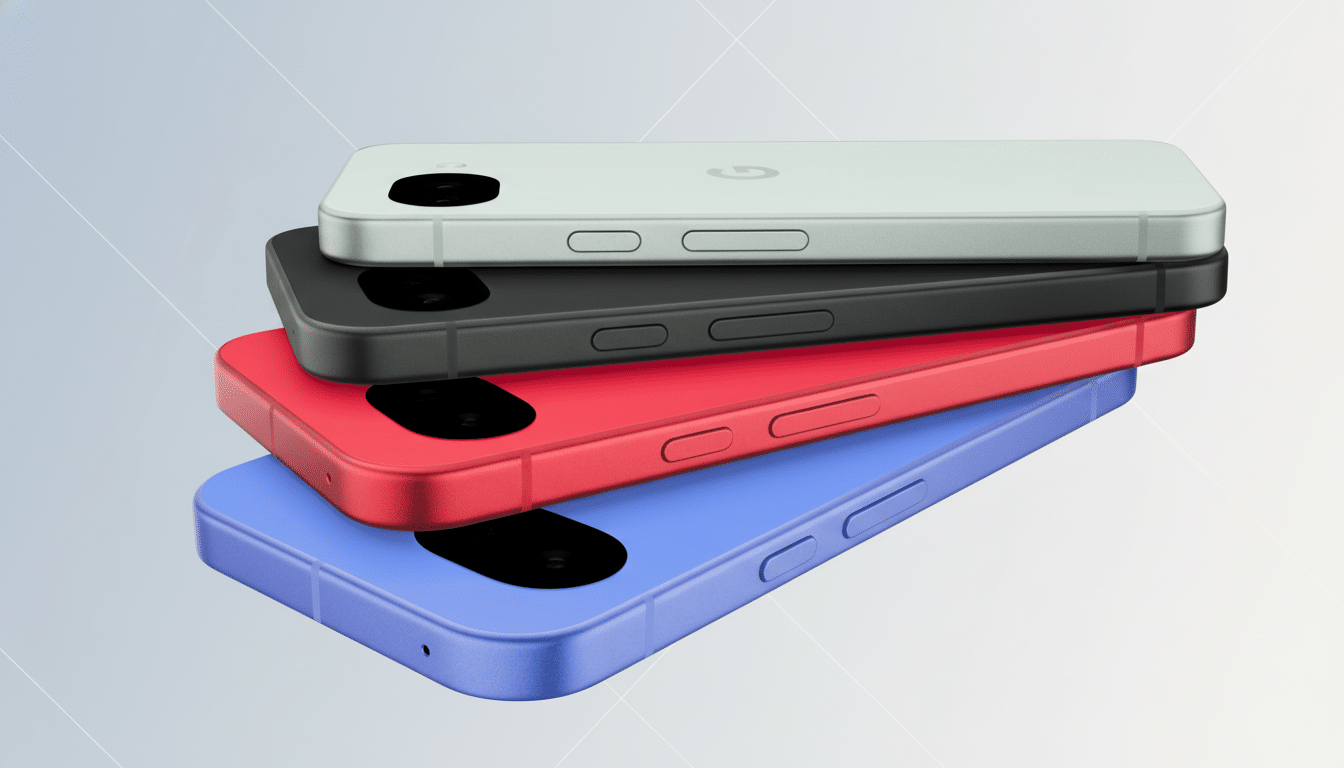
Size isn’t just a number—it dictates comfort. The Pixel 10a’s 6.3-inch panel hits a sweet spot for one-handed use without sacrificing screen space for reading or video. The Galaxy A57 stretches to 6.7 inches, great for games and long commutes but a handful to pocket and operate. Both aim for smooth 120Hz-class scrolling and sharp Full HD+ visuals, yet brightness is where Google clearly pulls ahead.
In bright outdoor conditions, visibility makes or breaks the experience. The Pixel 10a is rated up to around 3,000 nits of peak brightness, while the Galaxy A57 tops out near 1,900 nits. That gap matters when you’re navigating maps in midday sun—fewer squints, fewer missed taps. It’s the kind of difference you immediately notice outside the store.
Battery Life And Efficiency Beyond The Specs
On paper, the Pixel 10a’s 5,100mAh battery edges the Galaxy A57’s 5,000mAh cell by about 2%. In isolation that’s minor, but power draw is a system equation: larger screens consume more, and software tuning plus chip efficiency can swing outcomes. Google’s smaller display should be a touch thriftier in mixed use, though Samsung’s latest Exynos silicon has steadily improved. Real-world testing will ultimately crown the endurance champ, but early indicators suggest Google’s efficiency play is sound.
Software Longevity And Update Speed Details
Software is where the latest Pixel places its biggest bet—and it pays off. Google promises up to seven years of OS and security updates for its recent Pixels, a policy the company set out during its latest hardware announcements. Samsung has significantly raised the bar for Android updates across its lineup in recent years and pledges extended support for A-series models, but major Android releases for midrange Galaxies can still lag by months after Google’s day-one Pixel rollouts.
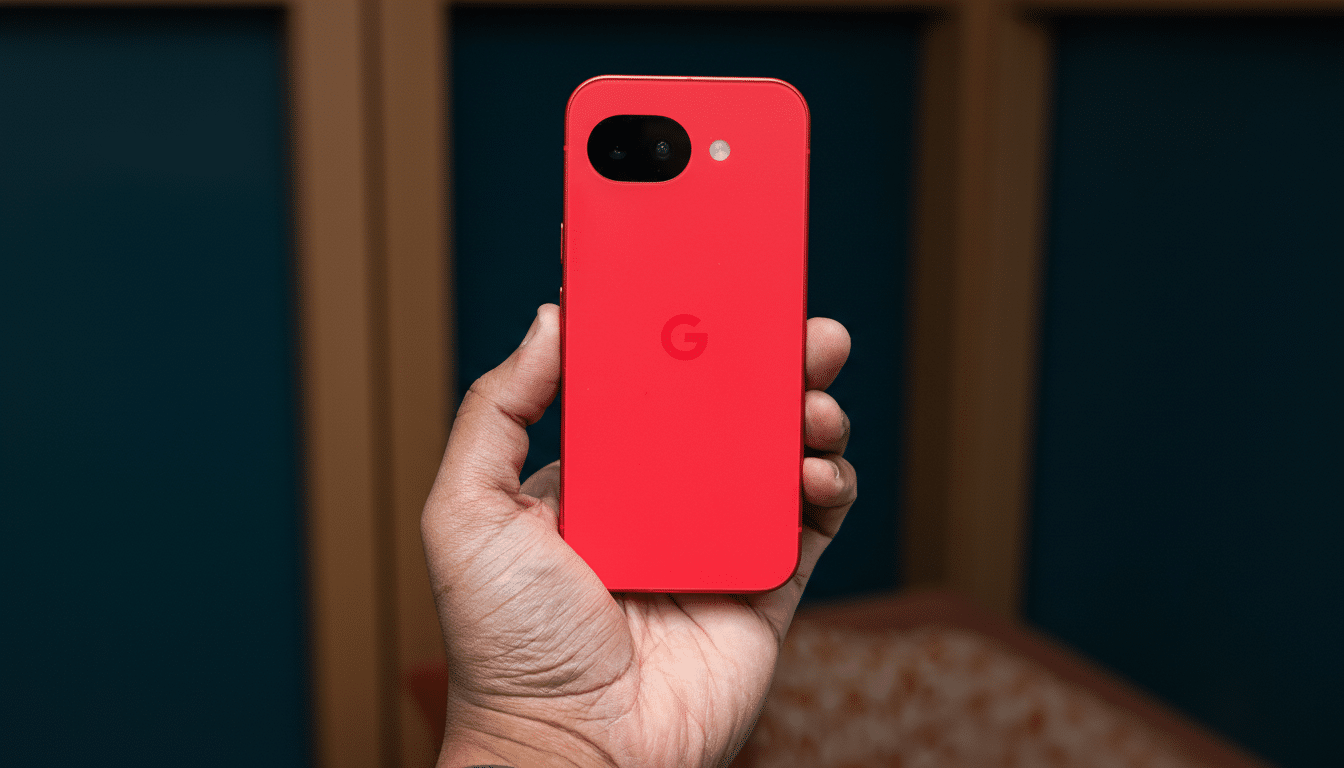
The Pixel experience also delivers thoughtful, low-friction features: Now Playing auto-identifies ambient music on the lock screen, Quick Tap assigns handy actions to a double back-tap, and on-device intelligence informs everything from call screening to photo fixes. One UI remains polished and powerful with deep customization, but it can feel busier out of the box with more preloads. If you value simplicity and first-in-line features, Pixel has the edge.
Charging And Everyday Convenience That Matter
Wireless charging at 10W on the Pixel 10a sounds modest, but convenience counts. From coffee shops and rideshares to airport lounges, Qi pads are everywhere. Being able to top up without a cable is a small luxury that becomes a habit. The Galaxy A57 skips wireless charging entirely, an odd omission when many competitors now include it in this tier.
Where Galaxy A57 Still Leads And Makes Its Case
Samsung’s case is far from closed. The Galaxy A57’s larger display is a genuine advantage for split-screen multitasking, streaming, and gaming. Its glass-backed chassis feels more premium than the Pixel A-series’ plastic, a tactile difference that matters to many. And the triple rear camera—complete with a dedicated macro—adds versatility that the dual-camera Pixel doesn’t match on paper. If you prize a bigger canvas, a dressier build, and extra lenses, the Galaxy makes a strong argument.
Price And Value Verdict For Budget-Conscious Buyers
Price often breaks ties. The Pixel 10a typically undercuts the Galaxy A57 by about $50 at launch, and that gap widens when you factor in longer software support and wireless charging. For many shoppers, the Pixel’s brighter, more pocketable display, day-one Android updates, and smarter features add up to a better long-term buy. The Galaxy A57 remains an excellent choice for those who want a bigger screen, a glass build, and a more versatile camera stack.
Bottom line: both phones are easy to recommend, but if you’re choosing the one that feels faster to live with—quicker updates, easier sunlight readability, convenient charging—the latest Pixel 10a quietly wins the week-to-week grind that defines modern smartphone ownership.

