


Los Angeles Metro is leaning into a viral moment with Ride the D, a cheeky marketing push tied to the long-awaited D Line subway eXpansion into Beverly Hills. The internet is blushing, riders are laughing, and Metro is cashing in with boldly minimalist merch that turns a long-standing online joke into a made-for-social campaign.
A Cheeky Slogan With Purpose for the D Line Expansion
The D Line—formerly known to many as the Purple Line—has been inching west for years. The newest segment spans roughly 4 miles, finally threading high-demand destinations along Wilshire Boulevard and pushing heavy-rail service into one of the region’s most transit-resistant ZIP codes. It’s the kind of milestone that begs for attention beyond the transit faithful, and Metro’s marketers found it with a double-entendre riders have been joking about on Reddit and X for ages.
- A Cheeky Slogan With Purpose for the D Line Expansion
- Merch Turns Riders Into Marketers as Buzz Becomes Wearable
- Social Media Strategy Pays Off With Engagement and Reach
- Why Branding Matters for Transit Beyond Service Delivery
- A Familiar Precedent Shows How Agencies Handle Nicknames
- What to Watch Next as the D Line Continues Heading West
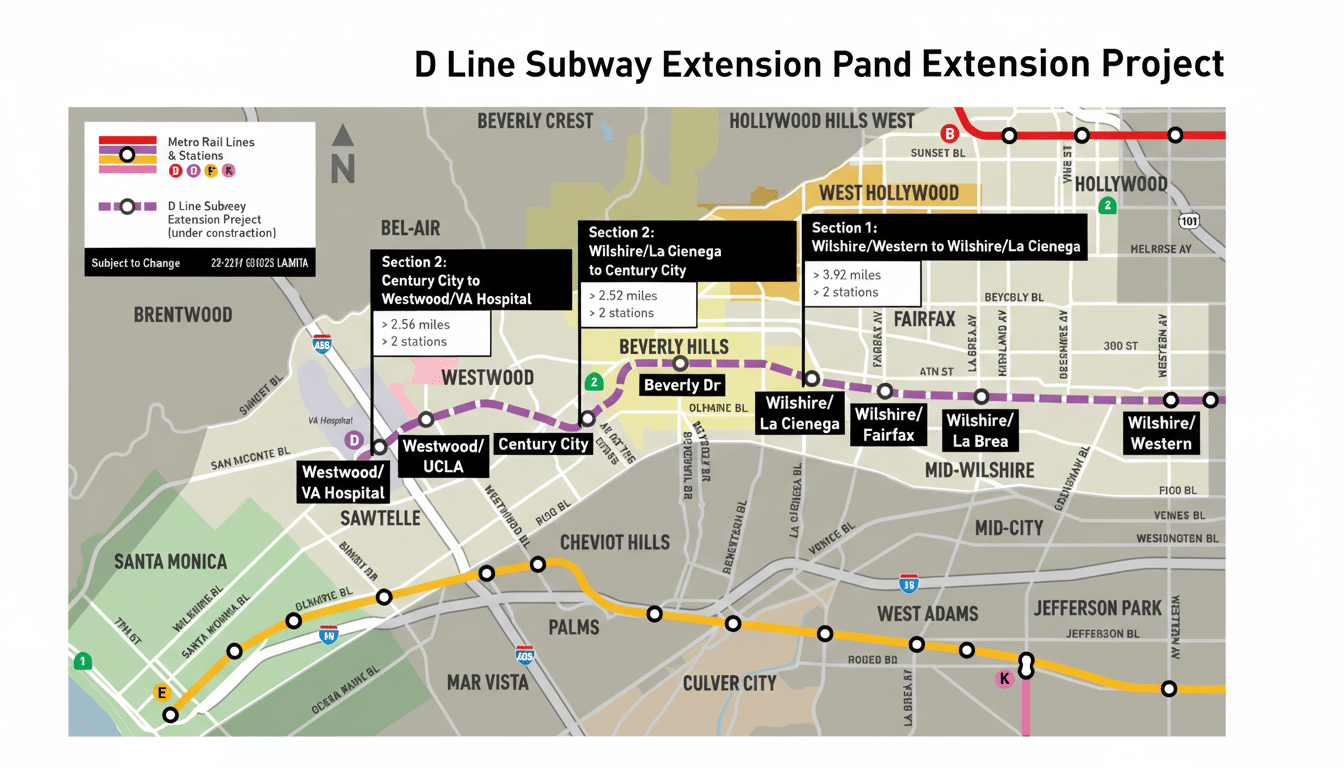
By embracing the bit, Metro reframed a once-wonky capital project as a pop-culture moment. The agency’s official account, @metrolosangeles, has been bantering directly with riders, amplifying memes, and giving the slogan oxygen where it matters most: social feeds. It’s a notable tone shift for a public agency more often associated with service alerts than punch lines.
Merch Turns Riders Into Marketers as Buzz Becomes Wearable
Metro moved quickly to monetize the buzz with Ride the D t-shirts and crop tops on its online shop. The shirts are intentionally simple—black fabric, clean type, unmistakable message—aimed at making riders the medium. At around $20 a pop, they’re priced to move, a savvy choice that encourages casual riders and transit fans to pick one up on impulse.
This is classic earned-media strategy: spark conversation with a wry line, then put it on a wearable billboard. If the shirts show up at concerts, gyms, and farmers markets, Metro’s message travels well beyond station platforms. It’s the kind of low-cost, high-visibility promotion private brands use routinely and public agencies are finally adopting.
Social Media Strategy Pays Off With Engagement and Reach
Humor has become a go-to tactic for public-sector accounts looking to cut through noise, and the early response suggests Metro’s timing is on point. The campaign has generated heavy engagement, with riders posting selfies in the shirts, local creators riffing on the line, and even a few civic leaders playing along. The tone is confident without being combative—a balance that keeps the jokes fun and the brand approachable.
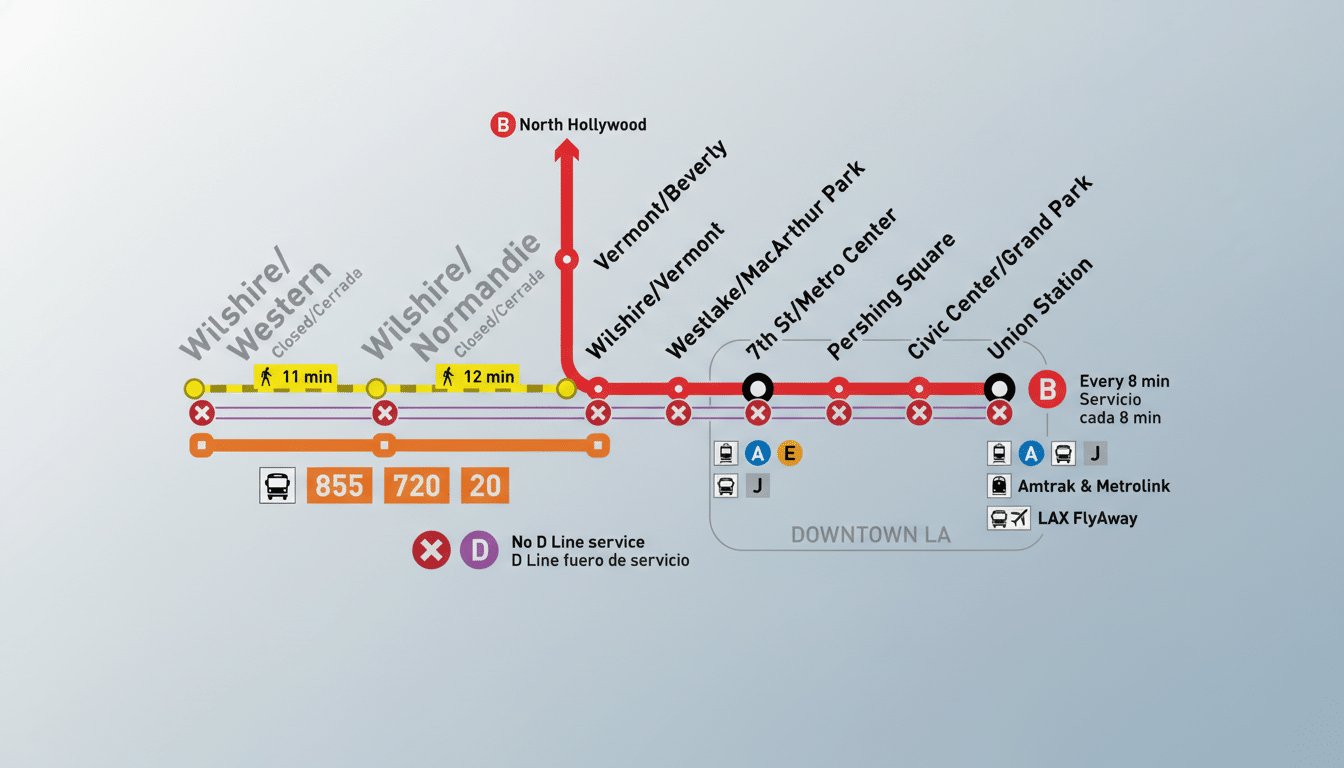
There are risks. Transit is a public good, and not every rider wants their commute framed as a punch line. Metro appears aware of the line between witty and crass; responses have stayed PG, and moderators are redirecting attention to concrete benefits of the extension—faster trips under Wilshire, fewer transfers, and greater reliability during peak congestion.
Why Branding Matters for Transit Beyond Service Delivery
Strong branding doesn’t replace service, but it can change behavior at the margins—where ridership growth often happens. National groups like the American Public Transportation Association have documented a steady rebound in rail and bus usage, with urban rail systems reclaiming a substantial share of pre-pandemic riders as reliability improves. Campaigns that make transit feel current and culturally relevant help convert occasional users into habitual ones.
Metro has paired the wink with substance. The D Line extension adds capacity and reach in a corridor notorious for gridlock, while customer-experience initiatives—from more visible ambassadors to cleaner stations and fare capping via TAP—address common pain points. A playful slogan gets attention; better service earns repeat trips.
A Familiar Precedent Shows How Agencies Handle Nicknames
Transit history is dotted with unintentional double entendres and the merch that followed. Seattle’s South Lake Union streetcar, quickly nicknamed the SLUT by locals, became an early example of how a risqué label can leap from transit forums to mainstream conversation. The lesson for agencies is clear: if a nickname is inevitable, it may be smarter to steer it than to scold it.
What to Watch Next as the D Line Continues Heading West
As the D Line continues west, Metro has a template for building enthusiasm beyond ribbon cuttings—meet riders where they are, speak their language, and keep the focus on faster, easier trips. The metric that matters isn’t how many shirts sell; it’s how many TAP entries show up on the D Line in the weeks after the buzz. If the campaign nudges even a slice of Angelenos to try the subway for a cross-town trip, the joke will have landed exactly as intended.

