


Most folks probably picture a crash investigation as a hunt for skid marks and eyewitnesses, but in Kentucky these days, it’s often the phone bill that spills the secrets. If you’ve ever been in a wreck—or just want to steer clear of one—be aware: Kentucky’s texting-while-driving ban, plus rules about phone records, can turn your private messages into public ammo and really crank up the legal fallout.
Let’s break down how Kentucky’s anti-texting rules, their exceptions and penalties, and the growing appetite for phone records among prosecutors and insurers all affect anyone who touches a phone behind the wheel. And honestly, if you’re tangled up in an incident, it’s probably smart to talk to a local personal injury lawyer who knows how call and message logs might tilt the blame or mess with your insurance claim.
- Kentucky’s Texting and Driving Laws: Scope, Penalties, and Exceptions
- Texting Ban for All Drivers: KRS 189.292 Overview
- Use of Personal Communication Devices by Minors: KRS 189.294
- Penalty Structure and Point System: Fines, License Suspension, and KRS 189.990
- Legal Exceptions: Emergency Use, GPS, and Hands-Free Technology
- The Impact of Texting Laws: Enforcement, Phone Records, and Accident Trends
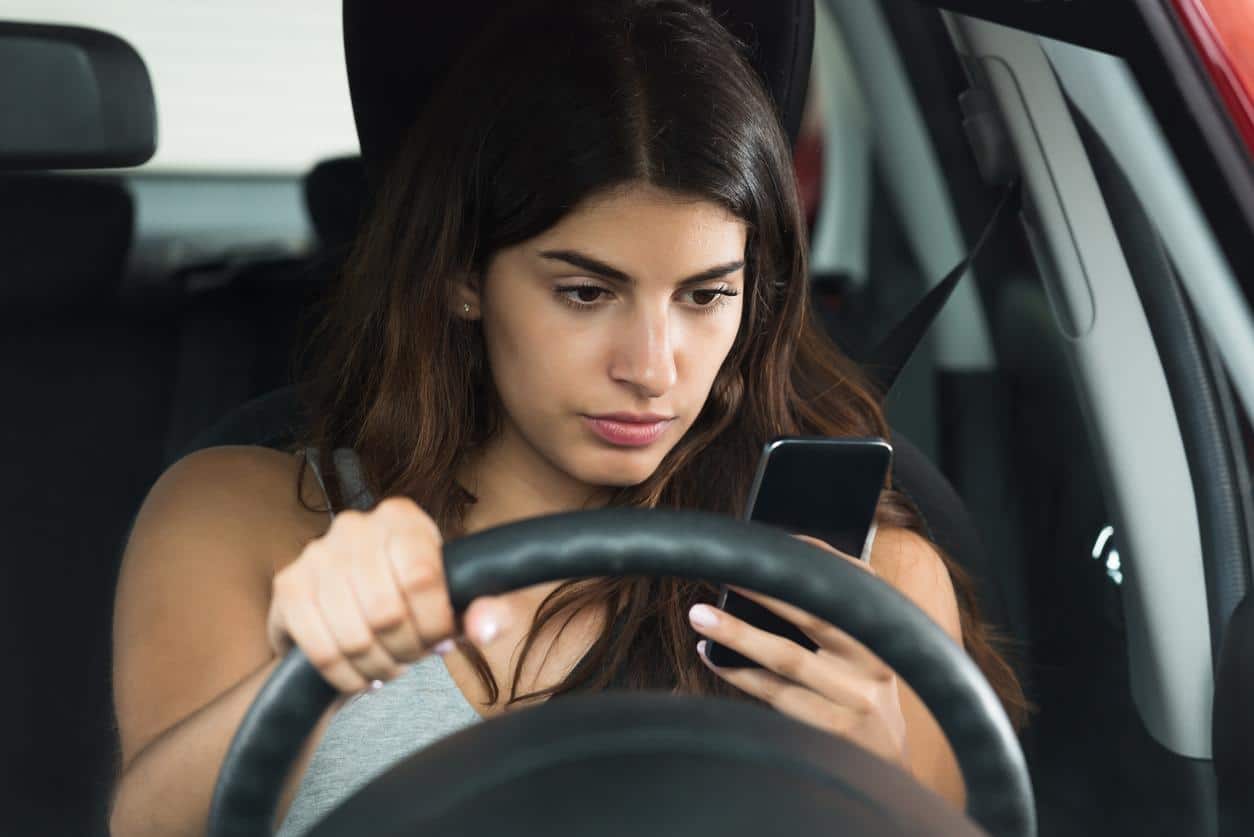
Kentucky’s Texting and Driving Laws: Scope, Penalties, and Exceptions
Kentucky has a pretty broad ban on text-based messaging for drivers of any age, clamps down even harder on handheld devices if you’re under 18, and stacks up penalties and points if you break the rules. The main laws (KRS 189.292, KRS 189.294, and KRS 189.990) spell out what you can’t do, what you can (sometimes), and what happens if you get caught.
Texting Ban for All Drivers: KRS 189.292 Overview
KRS 189.292 makes it illegal to write, send, or read any kind of text-based message while you’re driving on the main part of the road. That covers texting, instant messaging, emails—basically anything where you’re typing or reading on your phone or similar device.
The law is laser-focused on stuff you do with your hands and eyes while the car’s moving. If you’re using hands-free voice commands (and not actually typing), you’re usually in the clear, though cops can still ticket you under other laws if they think you’re driving dangerously. The rules only really bite when your car’s in motion on a roadway; if you’re parked or legally stopped, it’s a different story.
Use of Personal Communication Devices by Minors: KRS 189.294
KRS 189.294 is even tougher on drivers under 18—basically, if you’re a minor, you’re not supposed to use your phone at all while driving. No calls, no texts, no scrolling through social media, no fiddling with apps. Almost nothing is allowed.
This one’s all about cutting distractions for new drivers during that nerve-wracking learning phase. There are exceptions for emergencies (like grown-ups get), but overall, minors get less wiggle room. Parents, take note: breaking these rules can mean fines and points that might mess with your kid’s license status or jack up your insurance bill.
Penalty Structure and Point System: Fines, License Suspension, and KRS 189.990
First-time offenders usually get slapped with a $25 fine, but if you keep it up, the fines jump—$50 is a common number for repeat offenses. Don’t forget, the court might tack on extra costs and fees on top of that.
If distracted driving causes injury or death, KRS 189.990 kicks in with heavier criminal penalties—think bigger fines, maybe even losing your license. Points go on your driving record for texting violations, and if you rack up enough, you could face restrictions on a provisional license, full-blown suspension, or a nasty hike in your insurance rates. If you’re a repeat offender or your texting leads to a crash, expect even stiffer penalties, maybe even misdemeanor or felony charges, depending on how bad things get.
Legal Exceptions: Emergency Use, GPS, and Hands-Free Technology
There are a few carve-outs: you can use your phone to call 911 or report a crash, medical emergency, fire, or crime—those don’t count as violations.
Using GPS or navigation apps is allowed, as long as your phone is mounted and you’re not typing while driving. Best bet? Set your destination before you leave, or let a passenger handle it. Hands-free setups—like in-car Bluetooth or a headset—are fine for voice calls, as long as you’re not texting or poking at the screen. Still, police can always ticket you for distracted or unsafe driving if you’re not paying attention, no matter how fancy your hands-free gear is.
The Impact of Texting Laws: Enforcement, Phone Records, and Accident Trends
These days, Kentucky’s laws give police more ways to tie a specific text or call to the moments before a crash. Statewide data shows some real changes in emergency visits and deadly collisions. How officers enforce the law, who’s getting hurt, and all those safety campaigns—together, they shape whether these rules really mean fewer wrecks and more people in court.
Phone Records as Evidence: Enforcement and Legal Implications
Police are leaning more and more on call records and message timestamps to figure out if a driver was texting right before a crash. Kentucky courts have let in timestamped phone company logs and device data as solid proof connecting a driver’s hand-held use to a collision—especially when someone gets seriously hurt or worse.
Prosecutors use subpoenas, preservation orders, and search warrants to keep the evidence trail clean. Defense lawyers? They’ll push back, arguing about whether the records are accurate, if the driver was actually the one using the phone, or if maybe a passenger was to blame.
Agencies have to walk a tightrope between privacy laws and public safety. The Kentucky Transportation Cabinet and local prosecutors have tightened up their guidelines to make requests more consistent and cut down on fights over evidence. All this means phone records are more likely to decide the outcome in court than ever before.
Distracted Driving Accident Statistics in Kentucky
If you look at the numbers, younger drivers are still way overrepresented in texting-related crashes—though it depends on where you are and how strict the local cops are. Recent studies on ER and hospital visits show a drop in crash-related injuries in places that really enforce these texting bans.
Fatal crashes and single-vehicle wrecks (especially with just one person in the car) have dropped fastest in areas with both handheld bans and texting restrictions. The Kentucky Office of Highway Safety posts monthly stats by age group, which helps target enforcement during risky times—think summer break.
But rural roads? They’re still seeing more serious crashes, probably because folks drive faster, and it takes longer for help to show up. Lawmakers and safety planners use this data to figure out where to send patrols and focus public education.
Types and Consequences of Distractions Behind the Wheel
Distractions behind the wheel fall into three buckets: visual (eyes off the road), manual (hands off the wheel), and cognitive (mind wandering). Texting, unfortunately, checks all three boxes: you’re looking down, tapping away, and your brain’s somewhere else—no wonder it’s so risky.
Kentucky’s safety programs point to studies showing texting multiplies your chances of a crash or near-miss by several times compared to just driving. Even a couple of seconds at highway speed means you’re flying blind for the length of a football field.
Of course, it’s not just phones—messing with the radio, talking to passengers, or being upset after a tough call can all distract you. The solutions depend on the type: phone records and enforcement hit hand-held use, while better car design and driver training focus more on what’s going on in your head.
Prevention and Awareness Initiatives in the Bluegrass State
Kentucky rolls out public campaigns during Distracted Driving Awareness Month and again when the school year kicks off, mixing eye-catching enforcement with messages that actually try to get through to folks. The Kentucky Office of Highway Safety hands out materials that nudge drivers to turn on Do Not Disturb modes in their cars and stash their phones somewhere they can’t just grab them.
The program’s focus on practical stuff: set up auto-reply texts, use a phone mount if you really need navigation, and, honestly, just punch in your destination before you even start the car. Law enforcement gets involved too, running checkpoints and using trained crash investigators who dig into phone data—then they make a point to publicize prosecutions, hoping to scare off would-be violators.
Schools and workplaces jump in with pledge drives and demonstrations that let people experience just how badly their reaction time drops when distracted. Altogether, these efforts are meant to chip away at those manual and visual distractions—and, maybe with a little luck, get drivers to rethink how much they let their minds wander behind the wheel.
