


A high-stakes lawsuit challenging Elon Musk’s authority over the government office known as DOGE cleared a key hurdle, with a federal judge refusing to toss the core constitutional claim. The ruling keeps alive an Appointments Clause challenge that could unwind a slate of DOGE-driven cuts, terminations, and restructurings if the plaintiffs ultimately prevail.
What the judge decided regarding Musk’s alleged DOGE authority
U.S. District Judge Tanya Chutkan rejected the administration’s effort to end the case at an early stage, finding the plaintiffs plausibly alleged that Musk exercised the powers of a principal officer without the Senate-confirmed status the Constitution requires. In her order, the judge rebuked the notion that the Constitution’s appointment rules could be sidestepped simply because an office was created or power assumed outside established channels.
- What the judge decided regarding Musk’s alleged DOGE authority
- Why The Appointments Clause Claim Matters
- Who is suing and what they allege about DOGE authority and actions
- How broad the fallout could be for agencies, grantees, and workers
- DOGE’s role and the evidence question before discovery begins
- What comes next as discovery and potential remedies advance
The court did trim the lawsuit, siding with the government on counts tied to the Administrative Procedure Act and a standalone separation-of-powers theory. But the Appointments Clause claim—by far the most consequential—survives, setting the stage for discovery and potentially expedited merits briefing.
Why The Appointments Clause Claim Matters
The Appointments Clause is a constitutional gatekeeper: principal officers must be nominated by the President and confirmed by the Senate. When that process is bypassed, courts have shown a willingness to unravel official actions. The Supreme Court’s decisions in cases such as Lucia v. SEC and United States v. Arthrex illustrate how structural violations can ripple across hundreds of agency decisions, triggering do-overs and vacatur.
Judge Chutkan noted that if plaintiffs prove Musk lacked lawful authority to act as a principal officer, the court could set aside DOGE-originated directives that are causing ongoing harm. That kind of remedy could reach contract cancellations, grant terminations, or workforce actions that plaintiffs attribute to DOGE leadership.
Who is suing and what they allege about DOGE authority and actions
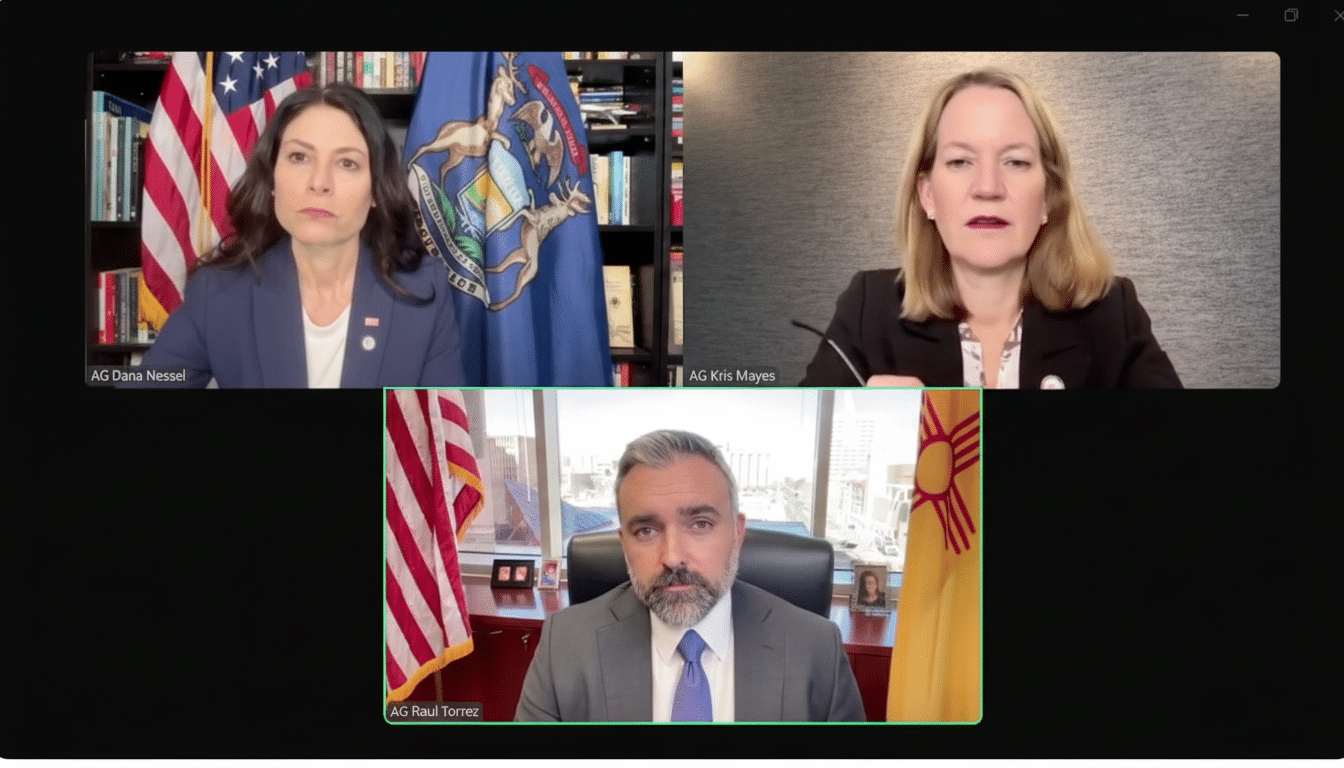
The case consolidates two suits: one by a coalition of nonprofits and another led by a group of 14 state attorneys general spearheaded by New Mexico. Together, they contend that Musk, while serving as DOGE’s leader, directed the shutdown of programs, dismissal of federal personnel, and termination of grants and contracts—despite not holding a Senate-confirmed post.
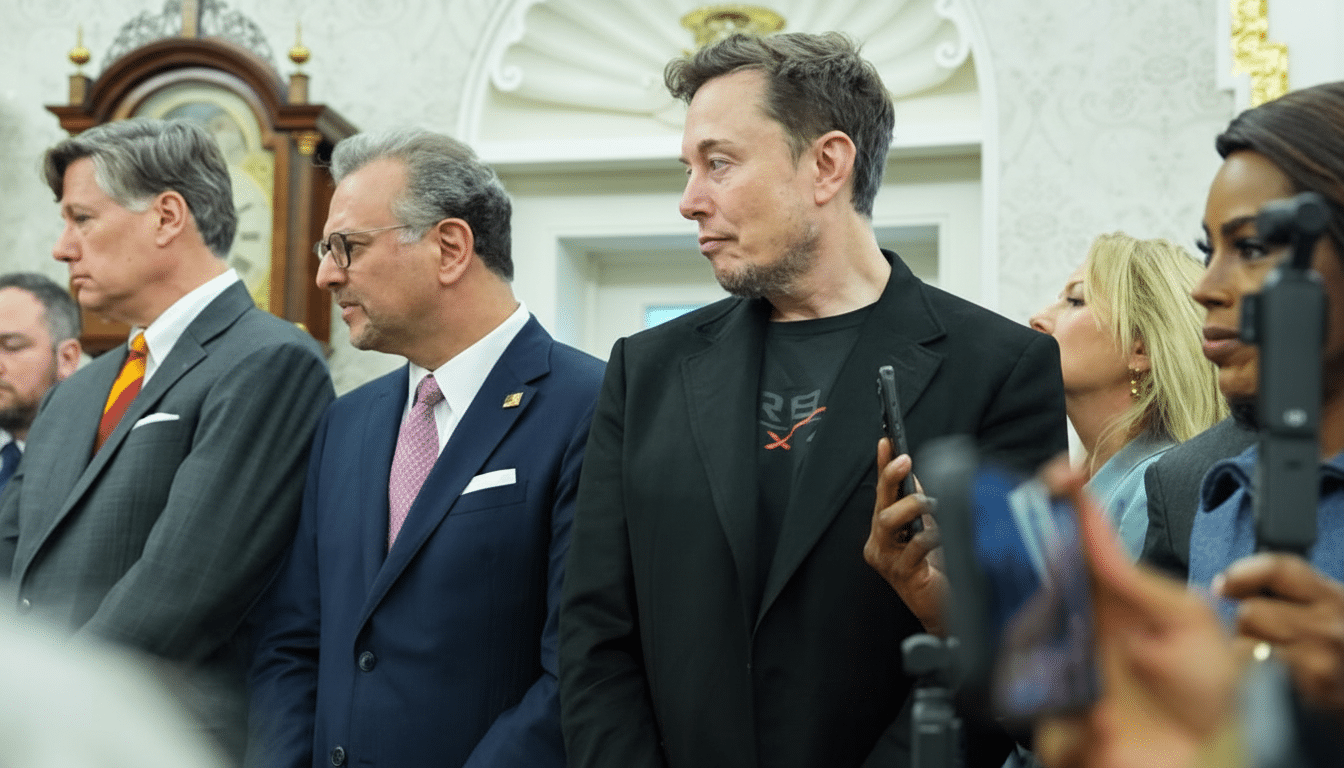
Plaintiffs lean heavily on Musk’s public statements and posts on X, which they argue reveal both control and intent. Court filings cite messages deriding USAID, disputing the existence of the Department of Education, and declaring the Consumer Financial Protection Bureau finished. The suit also points to public boasts from DOGE officials about canceling contracts and closing agencies, framing these as evidence that real decision-making power rested with DOGE rather than with Senate-confirmed officials.
How broad the fallout could be for agencies, grantees, and workers
Because grants, contracts, and personnel decisions cascade through multiple agencies and recipients, unwinding DOGE-era directives could be complex. Courts typically consider equitable factors—such as reliance interests and program continuity—when fashioning remedies. Even so, structural flaws in an official’s appointment can prompt wide-ranging vacatur or targeted reinstatement of actions affecting funding streams and regulatory enforcement.
Historical analogs suggest the scope can be significant. After Appointments Clause rulings in other contexts, agencies have revisited swaths of decisions, issued new approvals, or reprocessed enforcement actions to cure constitutional defects. If a similar pattern emerges here, federal program administrators and recipients may face a period of reassessment and potential reissuance of directives under duly appointed leadership.
DOGE’s role and the evidence question before discovery begins
Judge Chutkan emphasized that DOGE’s leader, as alleged, functioned as more than an informal adviser relaying presidential preferences. The pleadings portray a figure issuing directives with immediate operational effect—terminating grants, ending contracts, and ordering shutdowns. If substantiated, that activity aligns with the authority typically wielded by principal officers and underscores why the Constitution’s appointment framework matters.
Social media posts can present unusual evidentiary challenges, but courts have increasingly treated public statements by senior officials as probative of policymaking authority and intent. Here, the plaintiffs aim to convert Musk’s online declarations and DOGE officials’ public remarks into a roadmap of command responsibility.
What comes next as discovery and potential remedies advance
With the Appointments Clause claim alive, expect battles over documents, depositions, and the scope of discovery into how DOGE directives were formulated and implemented. Either side could seek early resolution through summary judgment on the constitutional question. Plaintiffs may also revisit requests for injunctive or declaratory relief to halt ongoing harms while the case proceeds.
Musk has previously said he stepped down from DOGE and has oscillated between public alignment and friction with the administration. Even so, the court signaled that alleged ongoing effects of past DOGE actions keep the controversy live. For agencies, grantees, contractors, and workers, the ruling means uncertainty lingers—and the stakes tied to who can legally wield federal power under DOGE just went up.

