


Apple is reportedly evaluating a telephoto extender for a future iPhone Pro, a move that could push the company’s long‑range camera performance beyond Galaxy flagships. The claim comes from the Weibo leaker known as Smart Pikachu, who says Apple is testing teleconverter lenses for an upcoming Pro model. If it ships, the add‑on would mark Apple’s first embrace of a modern, optics‑first zoom accessory in the iPhone era.
What A Telephoto Extender Could Do For iPhone
Teleconverters sit over a phone’s telephoto module, magnifying the image to extend effective focal length without relying on heavy digital zoom. Think of it as adding optical reach on demand. On interchangeable‑lens cameras, this technique is common; on phones, it’s only now maturing thanks to tighter tolerances, better coatings, and smarter software calibration.
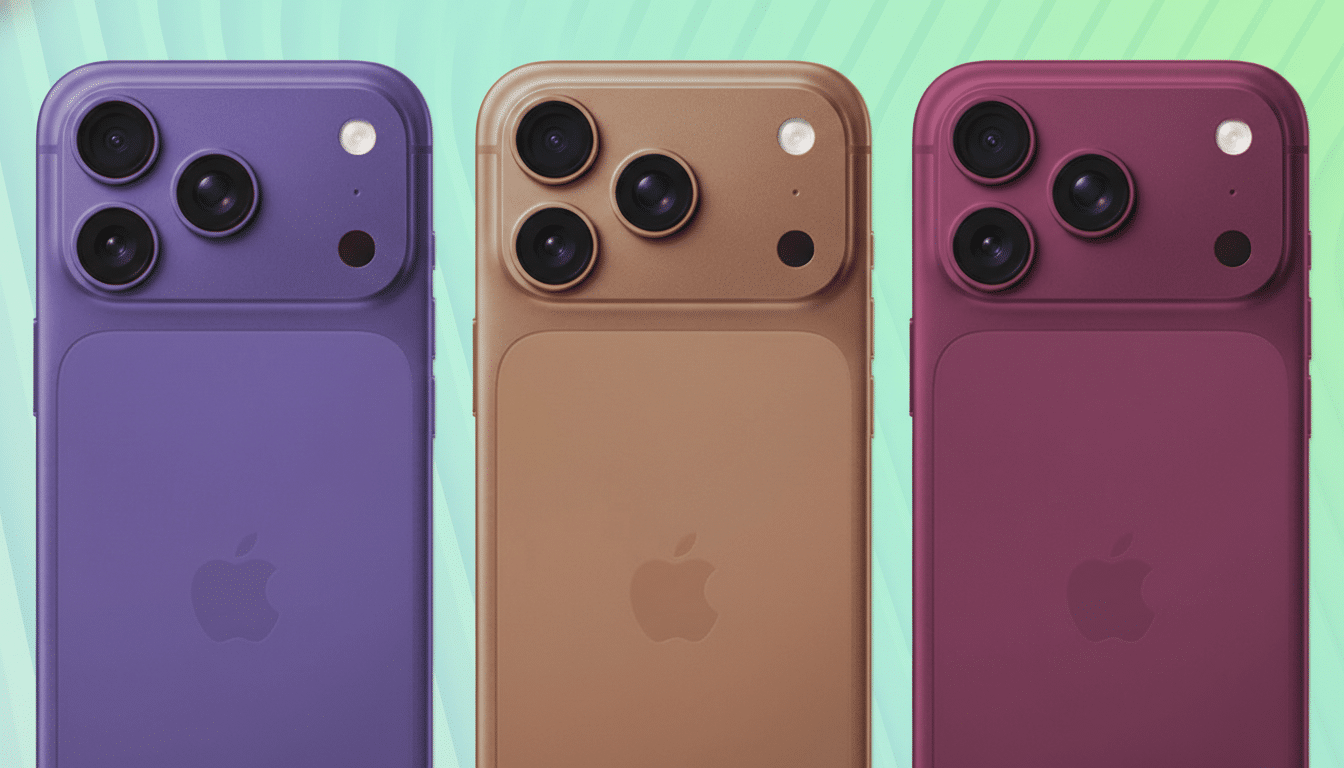
Today’s iPhone Pro line already uses a folded “tetraprism” lens around 120mm equivalent for 5x optical zoom. Pair that with a 2x–3x class teleconverter and you’re effectively looking at 240mm to 360mm territory—10x to 15x in familiar terms—where fine detail, not just digital sharpening, determines a shot’s credibility. Apple’s Photonic Engine and ProRAW pipeline could further stabilize noise and color at those longer focal lengths, the exact range where phone cameras typically fall apart.
How Android Brands Paved the Way for Telephoto Extenders
The first credible demonstrations arrived on recent vivo and OPPO flagships. Vivo’s solution, a 2.35x teleconverter, turns an 85mm periscope camera into roughly 200mm, or about 8.3x. OPPO’s version goes further with a 3.28x multiplier that shifts a 70mm module to about 230mm, near 10x. Both brands then lean on high‑resolution sensors for in‑sensor cropping, producing ~16x to ~20x images with far fewer artifacts than pure digital zoom. Reviewers and lab testers, including well‑known image benchmarking groups, have called out the cleaner text detail and less watercoloring in long‑range shots using these extenders.
The approach isn’t entirely new to the Android world. Years ago, Samsung offered a 2x add‑on for the Galaxy S7, but it was a basic clip‑on lens, not a precision‑matched teleconverter designed for a specific periscope module. Modern solutions from vivo and OPPO use rigid mounts and coatings more akin to camera optics, preserving autofocus and stabilization behavior much better than generic clip‑ons.
Could Apple Out‑Zoom Galaxy Flagships With a Teleconverter?
Samsung’s latest Ultra strategy favors a high‑resolution 5x camera that crops to achieve cleaner 10x, rather than a bulky 10x periscope. It’s an elegant compromise, but it still relies on aggressive software once you push past 10x. An Apple‑approved teleconverter would attack the problem from the other side: start with real optical reach, then layer computational photography on top.
That combination could matter for sports, wildlife, and travel shooters who care about readable jersey numbers, legible signage, or fine texture at distance. Even a modest 2.35x converter on a 5x iPhone telephoto puts it in 11x–12x optical territory before any crop, a range where many phone cameras struggle. If Apple tunes lens profiles at the system level—correcting vignetting and distortion in real time—the iPhone could reclaim long‑range clarity while keeping the phone slim when the accessory isn’t attached.
The Trade‑Offs Apple Must Solve for an Optical Extender
Teleconverters invariably steal light; in traditional photography, a 2x adapter often costs about two stops. Smartphone versions vary, but physics still applies: longer reach typically means dimmer exposure and higher ISO. Expect Apple to lean on larger pixels, sensor‑shift stabilization, and multi‑frame fusion to offset the loss, especially for dusk scenes where long zoom shots usually crumble.
Ergonomics are another hurdle. Current Android extenders are bulky, can block the main and ultrawide cameras, and typically require a special ring or case mount. They also aren’t cheap—accessories from leading brands land in the few‑hundred‑euro range. For iPhone users, that means Apple will need a mount that’s secure, quick to remove, and friendly to the rest of the camera array. A MagSafe‑assisted bayonet or a purpose‑built Pro case would make sense, and it would dovetail with the robust third‑party lens ecosystem from makers like Moment.
What to Watch Next as Apple Tests Telephoto Extenders
Apple prototypes many camera ideas that never see daylight, so testing alone doesn’t guarantee a product. Still, the company has a track record of turning niche pro features into mainstream tools once the user experience is ready. With Android rivals showcasing real optical gains at long range and camera quality remaining a top purchase driver in industry surveys from firms such as Counterpoint Research, a first‑party telephoto extender would be a logical step for content creators and enthusiasts.
If Apple moves ahead, expect tight hardware‑software integration: official lens profiles, guided alignment through the Camera app, and image processing that recognizes when the extender is attached. The result could be simple—optical reach when you need it, a clean pocketable phone when you don’t—and a new round in the zoom race that puts Galaxy on notice.
