


Inside teams at Instagram, Snapchat, and YouTube say the first 90 days can set a creator’s trajectory for the next 9 months. The difference between momentum and stagnation rarely comes down to luck; it’s usually a handful of avoidable missteps. Here are the seven most common mistakes tech insiders see—and the fixes that actually move the algorithm and real audiences.
Consider this a field guide drawn from platform partnership leads, public product guidance, and hard data points, including YouTube’s push behind Shorts (now reaching over 2B logged-in users monthly) and Meta’s disclosure that Reels drives more than 20% of time spent on Instagram. The through line: clarity, cadence, and measurable signals beat vibes and volume.
- Chasing Every Trend Instead Of The Right Ones
- Ignoring Brand Readiness And Portfolio Fit
- Optimizing For Follows Not Engagement Metrics
- Posting Inconsistently And Killing Momentum
- Skipping Structured Experiments And A/B Tests
- Starting With Long Form Before Nailing Short Form
- Staying Too Broad And Vague About Your Niche
- Neglecting The First Five Seconds And The Last Ask
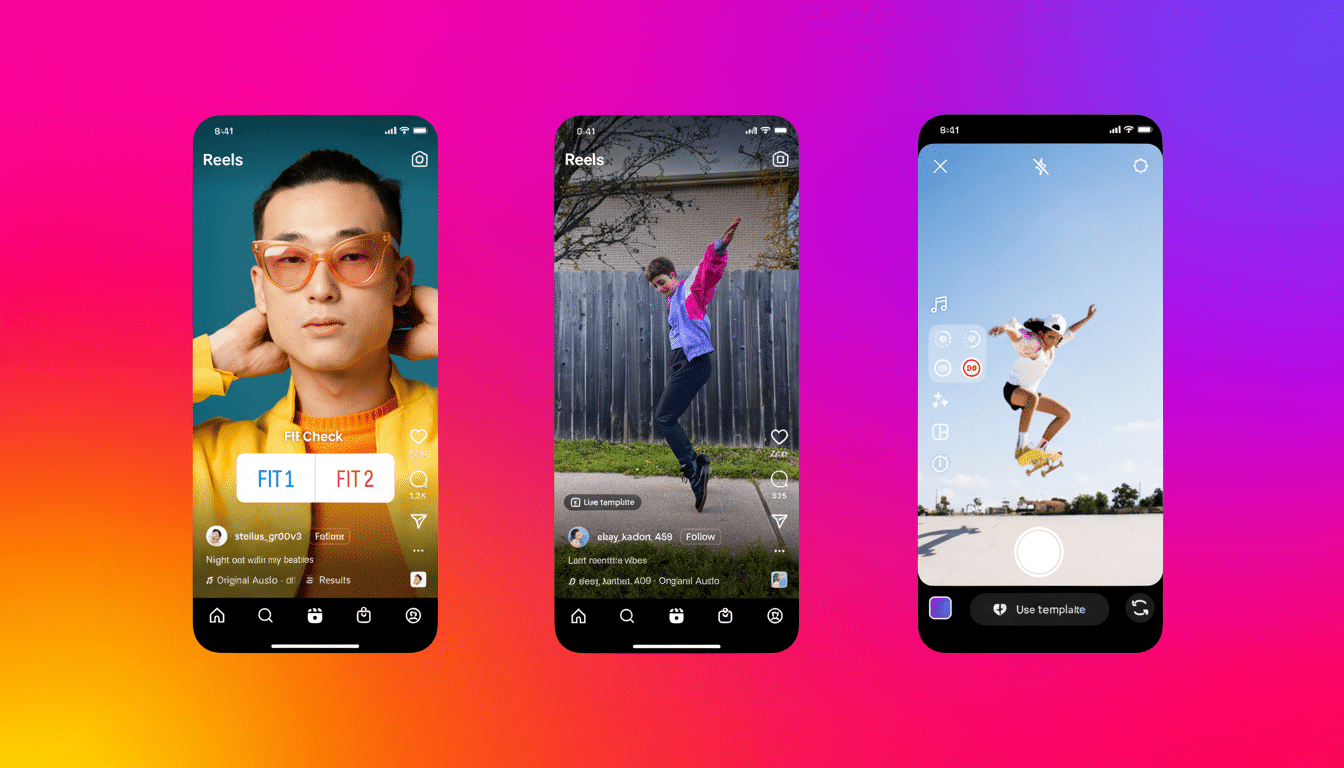
Chasing Every Trend Instead Of The Right Ones
Insiders say new creators often jump on trends without timing or fit. Trends have life cycles; arrive late and you look derivative, arrive early with a distinct take and you can ride the wave. A practical rule used by Instagram partner teams: keep roughly 70% of posts original and 30% trend-driven. Use platform insights and social listening (think Google Trends and in-app audio usage charts) to gauge whether a trend aligns with your angle and if it’s still early enough to matter.
Ignoring Brand Readiness And Portfolio Fit
Deals rarely land in month one, but brand readiness starts on day one. Snapchat’s partnerships team notes that talent buyers scan your public profile for consistent formats and proof you can deliver in specific categories. If you want travel partners, your grid or Story Highlights should already feature itineraries, packing tips, or “24 hours in…” formats. Treat bios, playlists, and Highlights as a living portfolio—clear positioning, contact info, and a pinned “start here” reel signal professionalism.
Optimizing For Follows Not Engagement Metrics
Follower counts are a lagging metric. Platform teams emphasize signals that unlock distribution to non-followers: on Instagram, sends and shares; on YouTube, average view duration and retention; on Snapchat, watch time that drives Discover surfacing. Switch to a professional or creator account to unlock analytics, review your top three winners and laggards each month, and study how viewers find you. Track non-follower reach and share rate alongside retention curves to guide what you double down on next.
Posting Inconsistently And Killing Momentum
Algorithms reward dependable cadence. The insider mantra: pick a schedule you can maintain on your worst week, not your best. For YouTube, weekly drops at a consistent day and time teach audiences to return. On Instagram, aim for a sustainable mix of Reels and Stories that keeps you present without burnout. Snapchat creators who break through often post in tight, repeatable bursts; you don’t need 60 Snaps a day, but you do need predictability so viewers know when to check back.
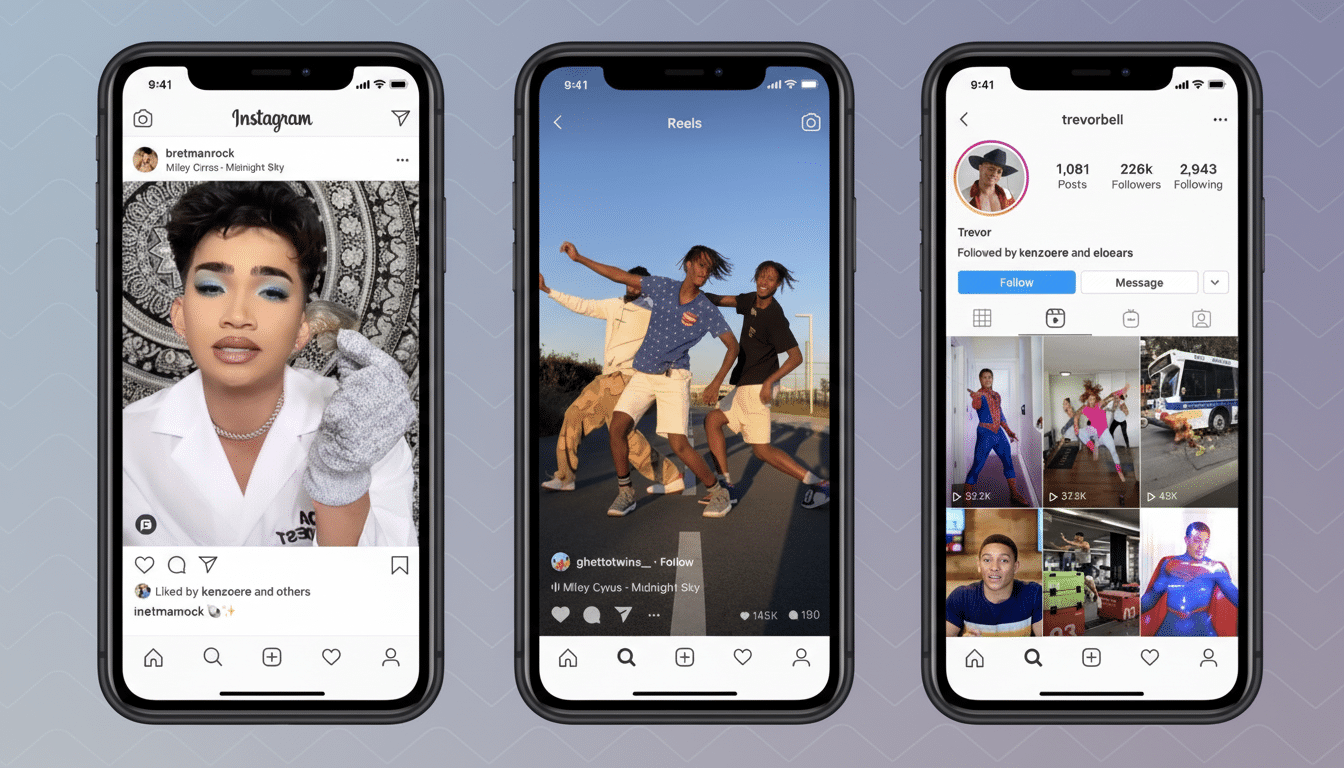
Skipping Structured Experiments And A/B Tests
Beginners fear “flops” and avoid testing—exactly backward. Instagram’s Trial Reels exist so you can test topic and format with non-followers first, then promote winners to your grid. YouTube Studio’s Test & Compare lets you A/B thumbnails; pair that with hook testing in the first 3 seconds and watch how retention shifts. Run lightweight experiments weekly: new hook, new length, new call to share. Document results so you evolve based on data, not guesses.
Starting With Long Form Before Nailing Short Form
Insiders consistently advise using short-form video as your on-ramp. YouTube Shorts’ audience is massive, and Meta has said Reels consumption keeps rising. Short vertical clips accelerate the feedback loop: you’ll learn which hooks land, which topics spark shares, and how to sharpen pacing. Once a few formats resonate, expand into longer videos or series where you can deepen storytelling and monetization. Discovery first, depth second.
Staying Too Broad And Vague About Your Niche
“Lifestyle” isn’t a niche. Platform teams recommend a T-shaped strategy: sample a few lanes early, then narrow decisively to the one with the strongest retention and share rate. Specificity wins—for example, “budget meal prep under $10,” “24-hour city sprints,” or “desk setups for remote nurses.” Pair that clarity with repeatable formats (weekly challenges, recurring segments, signature sign-offs) so viewers recognize your programming at a glance.
Neglecting The First Five Seconds And The Last Ask
Two craft errors sink new creators: meandering hooks and weak calls to action. The first five seconds determine whether algorithms see watchable content; lead with outcome, tension, or payoff (“I tested three AI tools so you don’t have to”). Close with one specific ask that trains the right signal—on Instagram, ask for a share to a friend who needs it; on YouTube, a teaser of part two improves session depth more than a generic “like and subscribe.”
The 90-day plan is simple but not easy: define your niche and formats, post on a schedule you can sustain, study the metrics that move distribution, and test relentlessly. Do that, and you’ll trade early stumbles for compounding signals—more watch time, more shares, and a feed that starts working for you rather than against you.

