


Ringworm, also known as tinea, is a common fungal infection that affects the skin, scalp, nails, and sometimes the groin area. Despite its name, it is not caused by a worm but by dermatophyte fungi that thrive in warm, moist environments. Ringworm can affect people of all ages and spreads easily through direct contact with an infected person, animal, or contaminated objects. Understanding how to recognize and properly treat ringworm is essential to prevent it from worsening or spreading.
If you notice persistent red, itchy, or ring-shaped rashes, visiting Amarillo Hospital can ensure proper diagnosis and timely treatment, especially if over-the-counter remedies are ineffective.
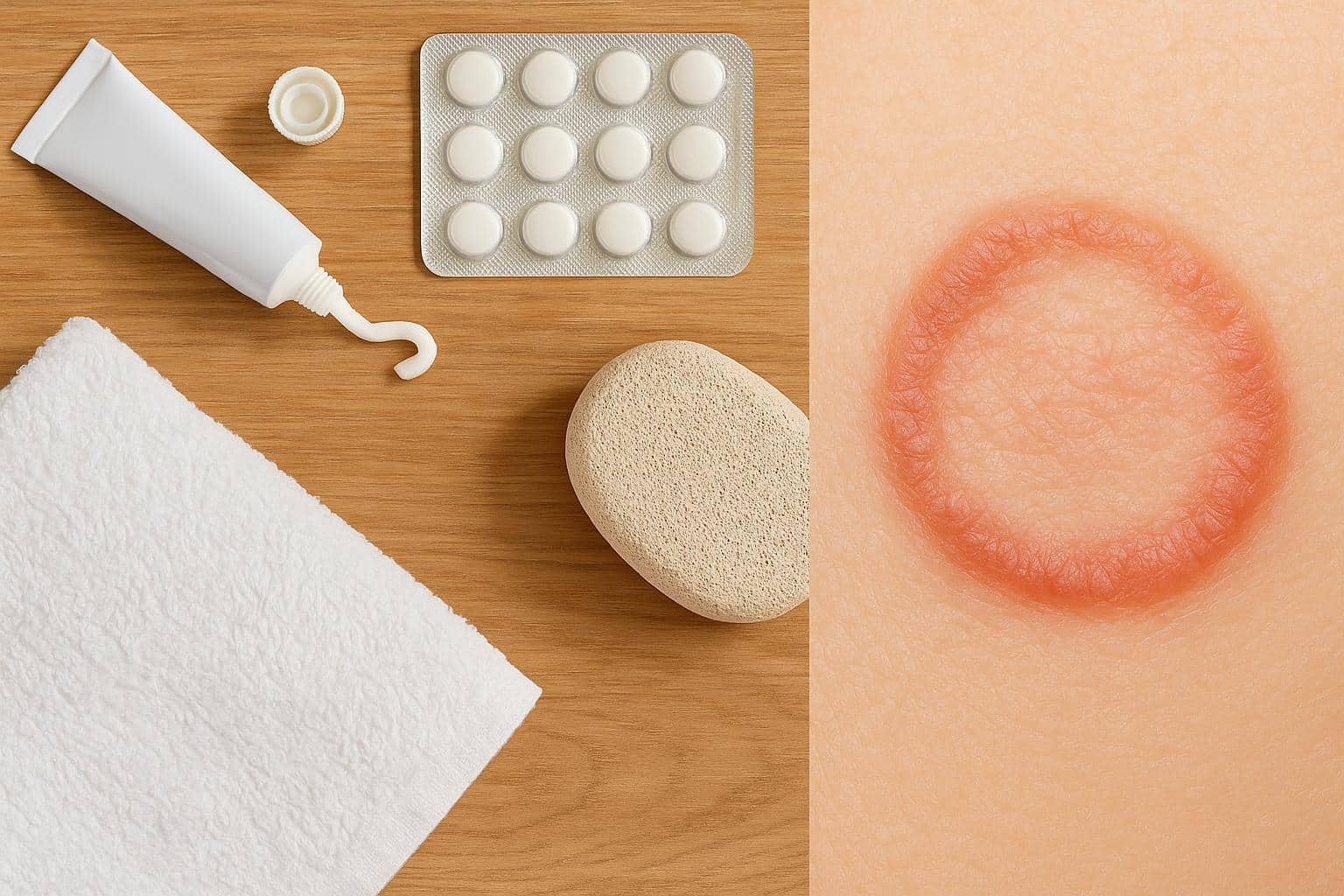
What Is Ringworm Infection?
Ringworm is a superficial fungal infection that affects the skin, hair, or nails by feeding on keratin, causing circular rashes or scaly patches. It commonly appears on the scalp, feet, groin, and nails and spreads through direct contact, contaminated clothing, or even pets. Although usually not life-threatening, prompt treatment prevents discomfort, spreading, and secondary infections. If you are unsure whether a rash is serious, visiting an emergency room near me can ensure a quick diagnosis and proper care.
Ringworm Symptoms
Ringworm presents with several noticeable symptoms that vary depending on the affected area. Common signs include:
- Ring-shaped rash: Raised, red, scaly rings with clearer centers often appear on the body or limbs.
- Itching and irritation: Affected areas can be intensely itchy, causing discomfort and sometimes leading to scratching and skin damage.
- Scaling and cracking: The skin may become flaky, dry, or cracked, particularly on the feet or hands.
- Hair loss or brittle nails: Scalp infections may cause hair to break or fall out, while nail infections can make nails thickened, discolored, or crumbly.
- Spread over time: Untreated ringworm can expand or appear in multiple areas, sometimes forming larger patches or overlapping rings.
If you notice these symptoms, seek prompt treatment at Neighbors Emergency Center to prevent spreading and ensure proper care.
Treatment for Ringworm Infection
Treating ringworm involves a combination of topical medications, oral therapy for severe cases, and proper hygiene practices to prevent recurrence.
Topical Antifungal Medications
For most mild to moderate cases, over-the-counter antifungal creams, lotions, or ointments are highly effective. Common active ingredients include clotrimazole, miconazole, terbinafine, or ketoconazole. Apply the medication to the affected area and a slight area beyond the visible edges of the rash, usually twice daily for 2–4 weeks, even if symptoms improve sooner.
- Scalp infections: For tinea capitis, antifungal shampoos containing ketoconazole or selenium sulfide may help reduce fungal load.
- Foot infections: In cases like athlete’s foot, keep the feet clean and dry, and apply antifungal cream after washing and drying the area thoroughly.
Oral Medications for Severe or Widespread Infections
In severe cases or when the infection involves the scalp or nails, a doctor may prescribe oral antifungal medications such as terbinafine, itraconazole, or griseofulvin. These medications help treat deeper infections that topical treatments alone cannot reach. Dosage and duration vary based on the type and severity of the infection, so it’s important to follow medical guidance carefully.
Home Care and Hygiene Practices
Alongside medication, certain hygiene measures support treatment and prevent the spread:
- Keep the affected area clean and dry; fungi thrive in moisture.
- Avoid sharing personal items like towels, combs, or clothing.
- Wash bedding, socks, and clothing regularly in hot water.
- Disinfect surfaces or items that may have come into contact with the infection.
- Avoid scratching to prevent secondary bacterial infections.
Combining medication with good hygiene usually leads to full recovery within a few weeks for most mild cases.
When to Seek Emergency Care?
While ringworm is rarely life-threatening, certain situations require urgent medical attention. Seek medical care if you notice:
- Rapidly spreading or worsening infection despite treatment
- Severe pain, swelling, or pus indicates a secondary bacterial infection
- Fever, chills, or signs of systemic infection
- Scalp infection causing significant hair loss
- Nail infections that worsen or cause nail deformities
Prompt evaluation ensures proper prescription-strength medications and prevents complications.
Key Takeaways
- Ringworm is a common fungal infection affecting the skin, scalp, nails, or groin, caused by dermatophyte fungi.
- Symptoms include ring-shaped rashes, itching, scaling, hair loss, and nail changes.
- Treatment involves topical antifungal creams, oral medications for severe cases, and proper hygiene practices.
- Early intervention prevents spread, reduces discomfort, and avoids secondary infections.
- Seek medical attention if the infection is severe, spreading rapidly, or accompanied by systemic symptoms.
Understanding how to treat ringworm infection allows for timely care, faster recovery, and reduces the risk of spreading the infection to family, friends, or pets.

