


Infant skin exists in a delicate physiological state during the early months of life. Its barrier function is still developing, making it more vulnerable to moisture imbalance, friction, and irritants. Hygiene products that remain in constant contact with this sensitive surface must therefore support stability rather than disrupt it. Diapers serve not only as containment tools but also as protective layers that influence the infant’s immediate microenvironment.
Parents navigating product choices often encounter a wide spectrum of materials, absorbency claims, and structural designs. Each variation affects comfort, dryness consistency, and skin protection in distinct ways. Considerations such as material composition and fit influence performance, but economic factors also shape decisions. Many caregivers begin their evaluation by examining diaper price, as cost consistency becomes essential in maintaining uninterrupted hygiene standards over extended developmental periods.
- Understanding Infant Skin Physiology and Moisture Regulation
- Structural Features That Influence Absorption and Comfort
- Absorbent Core Composition and Fluid Retention
- Breathable Outer Layers and Temperature Balance
- Flexible Fit and Movement Adaptation
- Overnight Protection and Sleep Continuity
- Prolonged Absorbency Stability
- Surface Dryness and Skin Preservation
- Leak Prevention During Reduced Movement
- Selecting Diapers for Sensitive Newborn Skin
- Mylo Pregnancy & Parenting App: Supporting Care Beyond Hygiene
- Final Thoughts: Choosing Safe and Reliable Infant Diapers
Understanding Infant Skin Physiology and Moisture Regulation
Infant skin differs structurally from adult skin in both thickness and resilience. The outermost layer, known as the stratum corneum, is thinner and retains moisture differently. This condition increases susceptibility to transepidermal water loss, irritation, and microbial imbalance when exposed to prolonged dampness. Diapers must therefore regulate moisture effectively without disrupting the skin’s natural hydration balance.
Continuous exposure to wetness can weaken barrier integrity, making moisture management the primary function of a well-designed diaper. High absorbency materials draw fluid away from the surface, while breathable outer layers reduce heat and humidity buildup. When moisture remains controlled, the skin maintains its protective capacity, reducing the likelihood of inflammation and discomfort.
Structural Features That Influence Absorption and Comfort
Diaper effectiveness depends heavily on the interaction between absorbent cores, distribution layers, and surface linings. Absorbent polymers play a crucial role in locking away fluid, while distribution channels ensure even dispersion. This prevents localized saturation, which can otherwise create pressure points and increase irritation risk. A balanced internal structure contributes to consistent dryness across extended use.
External features such as flexible waistbands and contouring designs also improve functional stability. These elements allow the diaper to adapt to infant movement without compromising absorbency performance. Secure yet gentle containment minimizes leakage while preserving comfort, especially during periods of rest or sleep when uninterrupted dryness becomes essential.
Absorbent Core Composition and Fluid Retention
The internal core determines how efficiently fluid is captured and retained. Advanced absorbent materials convert liquid into a gel-like state, preventing rewetting against the skin. This transformation supports dryness consistency even during prolonged use.
Breathable Outer Layers and Temperature Balance
Air circulation within the diaper structure plays an essential role in maintaining thermal equilibrium. Breathable layers allow heat and moisture vapor to escape without compromising containment. This reduces humidity buildup, which can otherwise weaken the skin barrier.
Flexible Fit and Movement Adaptation
Infants remain active even during rest phases, making flexibility an important structural consideration. Stretchable side panels and adaptive contours help maintain positioning without excessive pressure. This ensures uniform coverage without restricting natural movement.
Overnight Protection and Sleep Continuity
Extended sleep cycles present unique challenges for diaper performance. During nighttime rest, infants remain in one position for longer durations, increasing the need for consistent absorbency. Uneven moisture distribution can disrupt sleep and create localized skin stress. Overnight diapers are designed to manage these extended exposure periods without compromising comfort.
Parents often evaluate the best overnight diapers based on their ability to maintain dryness over longer intervals. Products designed for overnight use typically incorporate higher absorbent capacity and improved distribution layers. These features help preserve dryness stability, allowing uninterrupted sleep while protecting the infant’s skin.
Prolonged Absorbency Stability
Extended-use diapers must retain structural integrity even after repeated fluid absorption. High retention capacity ensures that moisture remains locked within internal layers rather than returning to the surface.
Surface Dryness and Skin Preservation
Maintaining a dry surface layer is critical in protecting delicate skin. Effective overnight designs prioritize rapid fluid transfer away from contact areas. This minimizes the risk of irritation during prolonged wear.
Leak Prevention During Reduced Movement
Infants often change positions during sleep, which can shift fluid distribution. Structured containment systems prevent leakage during these transitions. Secure barriers ensure functional reliability without increasing pressure.
Selecting Diapers for Sensitive Newborn Skin
Newborn skin requires particular attention due to its heightened vulnerability. Even minor irritants can trigger visible reactions such as redness or dryness. Diapers designed for early developmental stages must therefore prioritize gentle materials and consistent moisture regulation. Surface softness and chemical neutrality become essential selection criteria.
Parents often seek the best diapers for newborns with sensitive skin, focusing on materials that minimize irritation risk. Gentle inner linings and balanced absorbency help preserve skin integrity. By reducing friction and maintaining dryness, these diapers support healthier skin adaptation during early growth phases.
Mylo Pregnancy & Parenting App: Supporting Care Beyond Hygiene
Modern parenting increasingly integrates digital platforms that help caregivers make informed decisions throughout pregnancy and early childhood. These tools provide structured guidance, developmental insights, and personalized recommendations based on the infant’s growth stage.
The Mylo Pregnancy & Parenting App serves as a centralized resource designed to assist parents with expert-backed guidance, product recommendations, and developmental tracking. By combining educational content with practical support, it enables caregivers to navigate hygiene, health, and comfort decisions with greater clarity.
Final Thoughts: Choosing Safe and Reliable Infant Diapers
Diaper selection involves more than containment, as it directly influences skin health, comfort, and sleep stability. Balanced absorbency, gentle materials, and structural reliability contribute to consistent performance. Careful evaluation of these factors helps ensure protection during critical developmental stages. Reliable hygiene practices support both infant wellbeing and caregiver confidence.
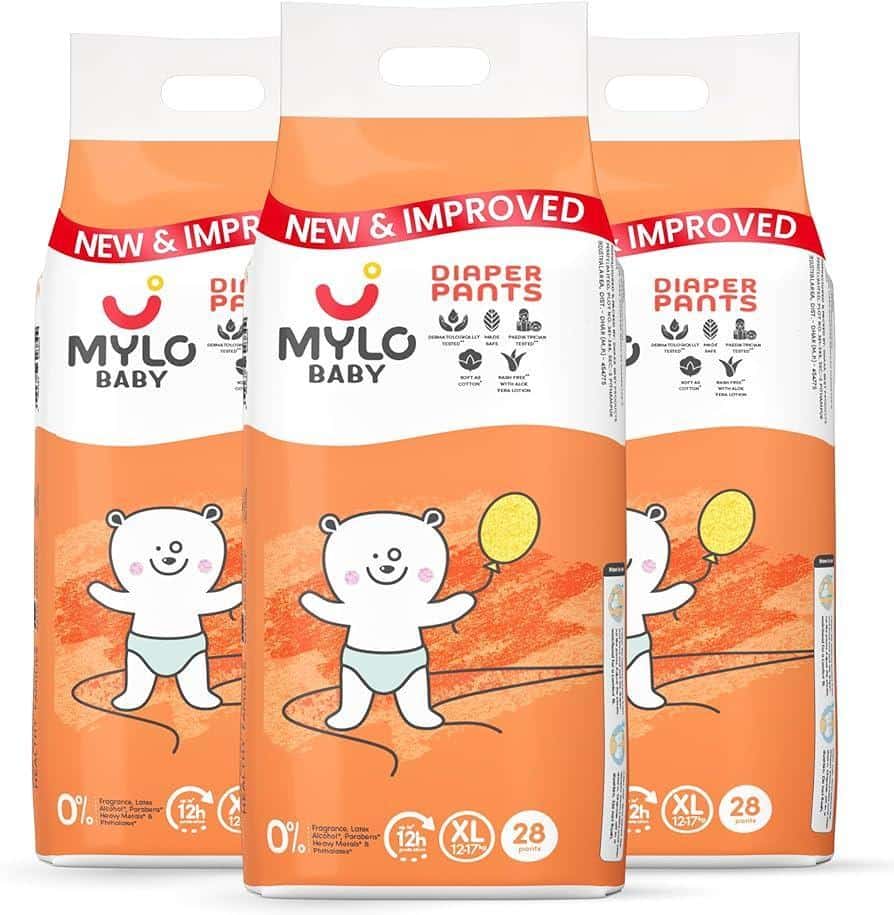
Products such as Mylo disposable diapers reflect evolving standards in infant hygiene design, focusing on absorbency balance, gentle materials, and consistent comfort. Modern diaper innovations continue to improve skin protection and usability. Thoughtful selection based on performance and safety helps support healthy infant development while maintaining everyday comfort and hygiene stability.

