


Building a small house has become an increasingly popular option for homeowners looking to simplify their lifestyle, reduce costs, or invest in a more efficient living space. But one of the biggest questions people ask early on is straightforward: how much does it actually cost?
The answer varies more than most expect. While smaller homes typically require fewer materials and less labor than larger builds, costs can still range widely depending on location, design, and customization. Understanding where your money goes is essential for planning a successful project.
- Average Cost to Build a Small House
- Cost Breakdown by Small Home Type
- Where Your Money Goes When Building a Small House
- Key Factors That Affect Small Home Costs
- Prefab vs Custom Small Homes
- Hidden Costs to Consider
- DIY vs Hiring a Builder
- How to Budget for a Small House
- Is Building a Small House Worth It?
- Conclusion
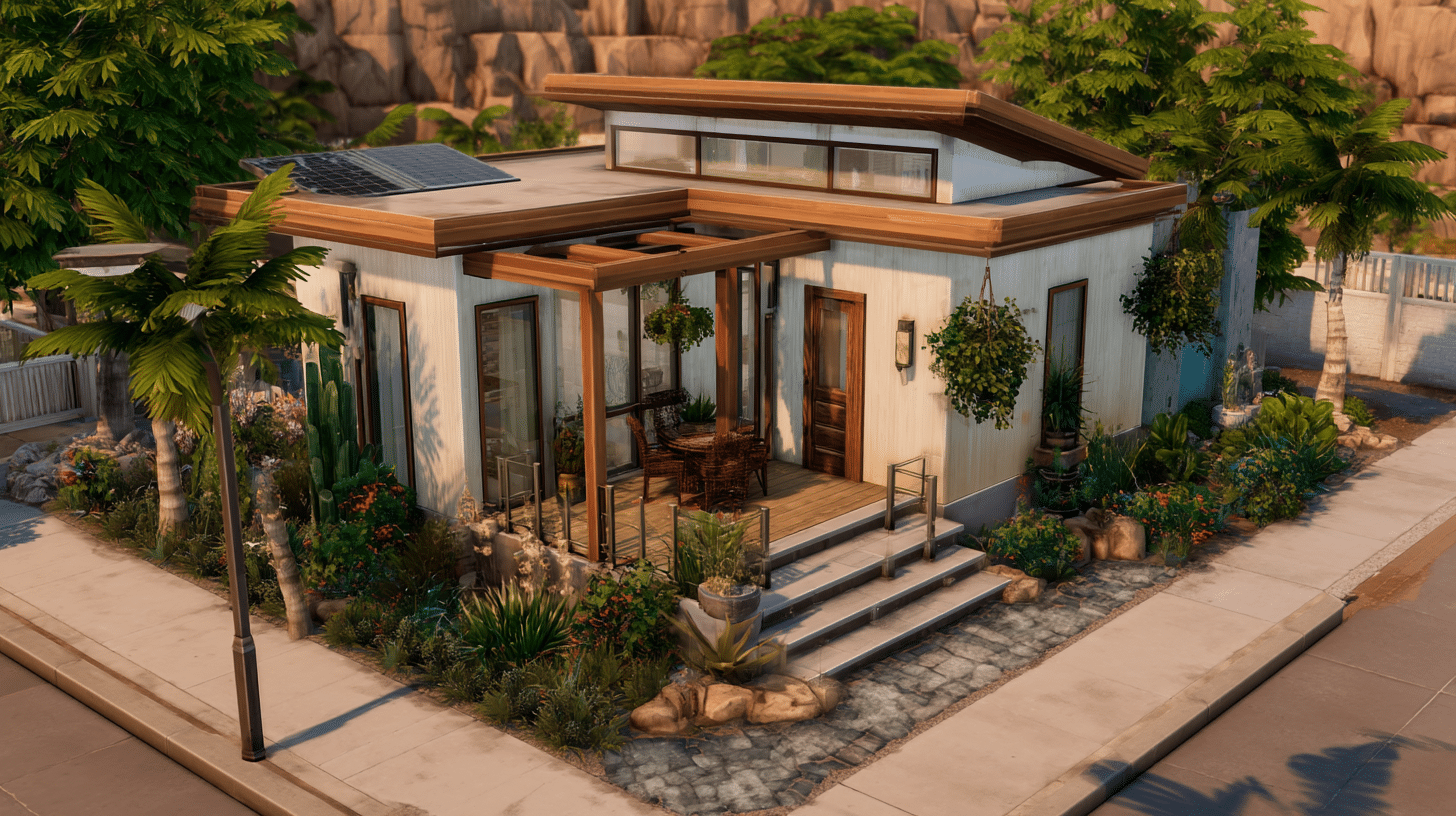
This guide breaks down the real costs of building a small house, including pricing ranges, key factors, and how to budget effectively.
Average Cost to Build a Small House
On average, building a small house costs between $100 and $300+ per square foot, depending on the level of finishes and complexity. For most projects, that translates to roughly $80,000 to $300,000+ total, depending on size and design.
Budget-friendly builds using basic materials may fall on the lower end, while custom-designed homes with high-end finishes can exceed these ranges. The key takeaway is that “small” refers to size, not necessarily cost.
Cost Breakdown by Small Home Type
Tiny Homes (Under 400 sq ft)
Tiny homes are the most affordable category, often ranging from $30,000 to $100,000. These can be built as DIY projects, purchased as prefabricated units, or custom-designed.
While they offer lower upfront costs, they also come with limitations in space and functionality.
Small Custom Homes (400–1,200 sq ft)
This is the most common category for small home construction. Costs typically range from $100,000 to $300,000, depending on materials and design.
These homes offer a balance between affordability and livability, providing enough space for everyday comfort without the cost of a larger build.
High-End Small Homes
Even smaller homes can become expensive when custom features are added. High-end finishes, architectural design, and premium materials can push costs beyond $300,000.
These projects focus more on quality and design than minimizing budget.
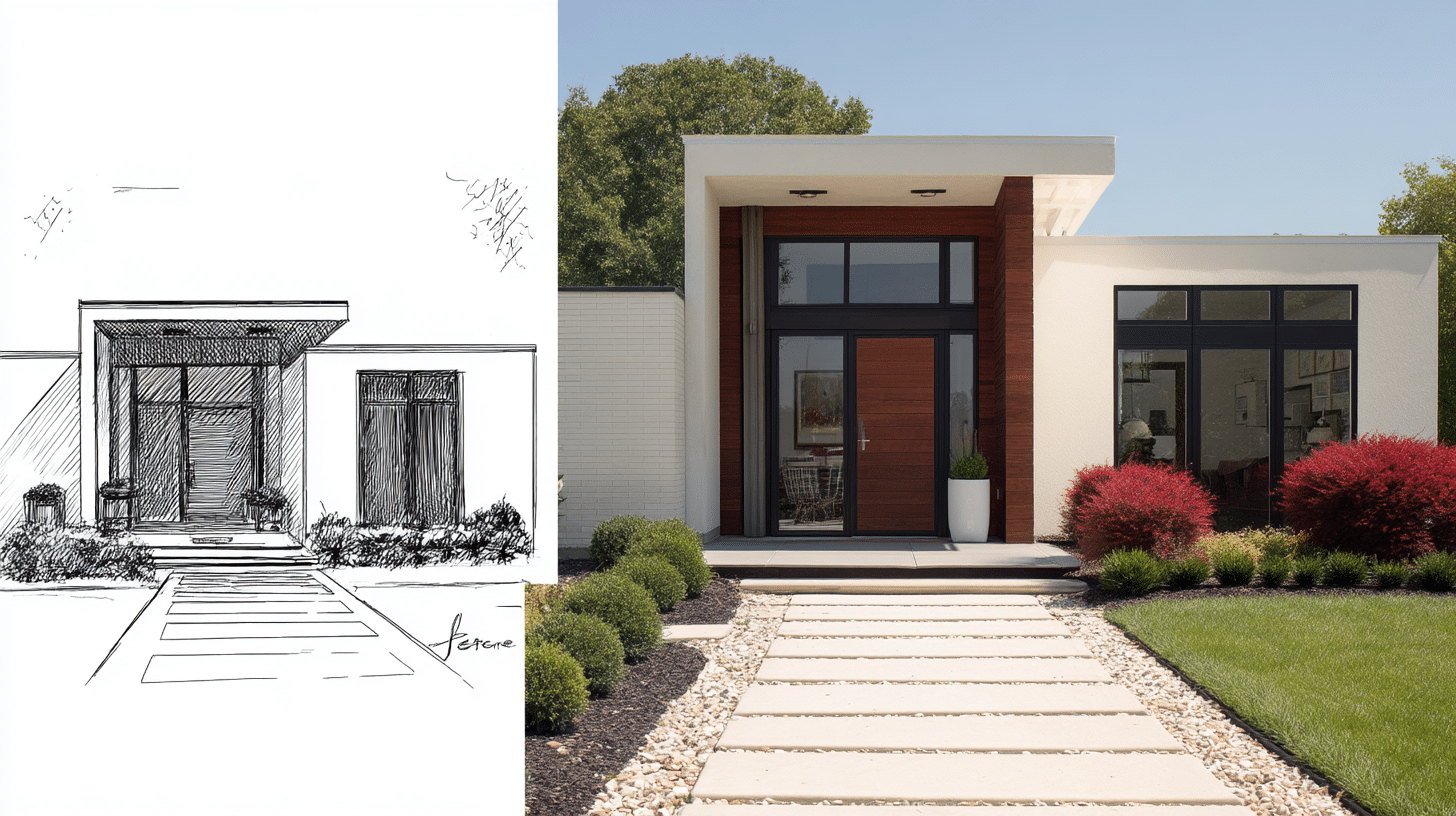
Where Your Money Goes When Building a Small House
Land and Site Preparation
Before construction begins, you’ll need to account for land purchase, site preparation, and utility connections. Costs vary widely depending on location and existing conditions.
Grading, clearing, and preparing the site can add significant expenses.
Materials and Construction
Materials make up a large portion of the budget. Framing, roofing, insulation, and finishes all contribute to the final cost.
Higher-quality materials increase upfront expenses but can improve durability and reduce maintenance over time.
Labor Costs
Labor includes all the skilled trades involved in construction, such as carpenters, electricians, plumbers, and project managers.
Even for smaller homes, labor costs remain a major factor due to the complexity of building systems.
Permits and Fees
Permits are required for most construction projects and vary depending on location. These costs ensure the home meets safety and building standards.
Key Factors That Affect Small Home Costs
Location and Market Conditions
Where you build plays a major role in pricing. Labor rates, material availability, and local regulations all impact the final cost.
Design Complexity
Simple layouts are more cost-effective, while custom designs with unique features increase both material and labor costs.
Material Selection
Choosing between budget and premium materials significantly affects pricing. Durable, high-end finishes come at a higher cost but often provide long-term value.
Utility Connections
Connecting water, electricity, and sewer systems can add unexpected expenses, especially on undeveloped land.
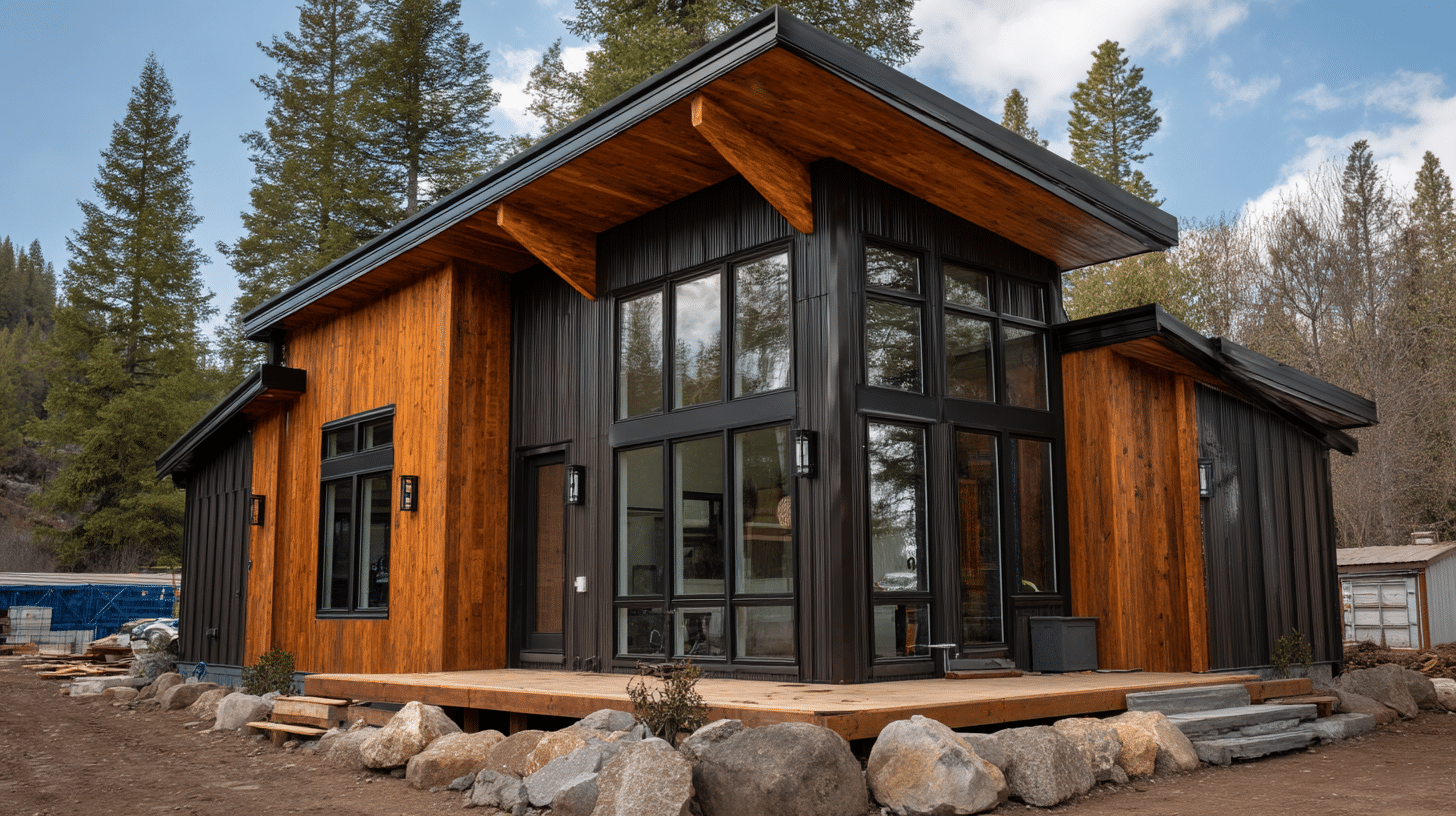
Prefab vs Custom Small Homes
Prefabricated Homes
Prefab homes are built off-site and assembled on location. They are typically more affordable and faster to complete, making them a good option for budget-conscious projects.
However, they offer less flexibility in design.
Custom-Built Homes
Custom homes allow for complete control over layout, materials, and finishes. While more expensive, they provide greater personalization and long-term satisfaction.
For homeowners looking to design and build a fully customized small home, working with a design-build firm like Origami Design Build can help streamline both the design and construction process.
Hidden Costs to Consider
Even well-planned projects can include unexpected expenses. Site conditions, design changes, or upgrades during construction can increase costs.
It is important to account for these possibilities when planning your budget.
DIY vs Hiring a Builder
When DIY Might Work
DIY construction can be an option for very small or simple builds. It allows homeowners to save on labor costs but requires time, skill, and careful planning.
When to Hire a Professional
Most small home projects benefit from professional involvement. Building codes, structural requirements, and coordination between trades make construction complex.
For those planning a professionally built home, working with an experienced Sacramento Custom Home Builder can help ensure the project is completed efficiently and meets local building standards.
How to Budget for a Small House
Setting a Realistic Budget
Start by defining your goals and understanding the full scope of the project. This helps you establish a realistic budget range rather than relying on a single estimate.
Adding a Contingency Fund
A contingency fund of 10% to 20% is recommended to cover unexpected costs. This provides flexibility and helps prevent financial strain during construction.
Prioritizing Features
Focus on essential elements first, such as layout and structural integrity. Optional upgrades can be added later if the budget allows.
Is Building a Small House Worth It?
For many homeowners, building a small house is a worthwhile investment. It offers lower overall costs compared to larger homes while still providing a comfortable living space.
Small homes also promote efficiency and can reduce long-term maintenance and utility expenses. Additionally, they allow for more intentional design choices that align with lifestyle needs.
Conclusion
So, how much does it cost to build a small house? The answer depends on your location, design, and material choices. While costs can range from $80,000 to $300,000 or more, careful planning helps ensure your investment aligns with your goals.
By understanding the key factors that influence pricing and approaching the project with a clear plan, you can build a small home that is both functional and financially sustainable.

