


An automated hotel management system streamlines operations by integrating front-desk tasks, reservations, and guest communications into a single digital platform. It eliminates manual data entry, reduces human error, and ensures that room inventory and pricing are updated across all booking channels in real-time. By automating repetitive administrative duties, hotel staff can focus more on guest satisfaction and less on paperwork.
Running a hotel used to mean managing thick ledgers, stacks of paper invoices, and a constant fear of overbooking due to slow communication between departments. Today, the hospitality industry is moving away from these traditional methods. Technology is no longer just a luxury; it is the backbone of daily operations.
- The Shift Toward Digital Operations
- Optimizing Profits with Smart Pricing
- Improving the Guest Experience Through Automation
- The Technical Backbone: Automated Hotel Property Management System
- Data-Driven Decision Making
- Future-Proofing Your Business
- Simplifying Complex Inventory
- The Bottom Line on Modernization
- FAQ Section
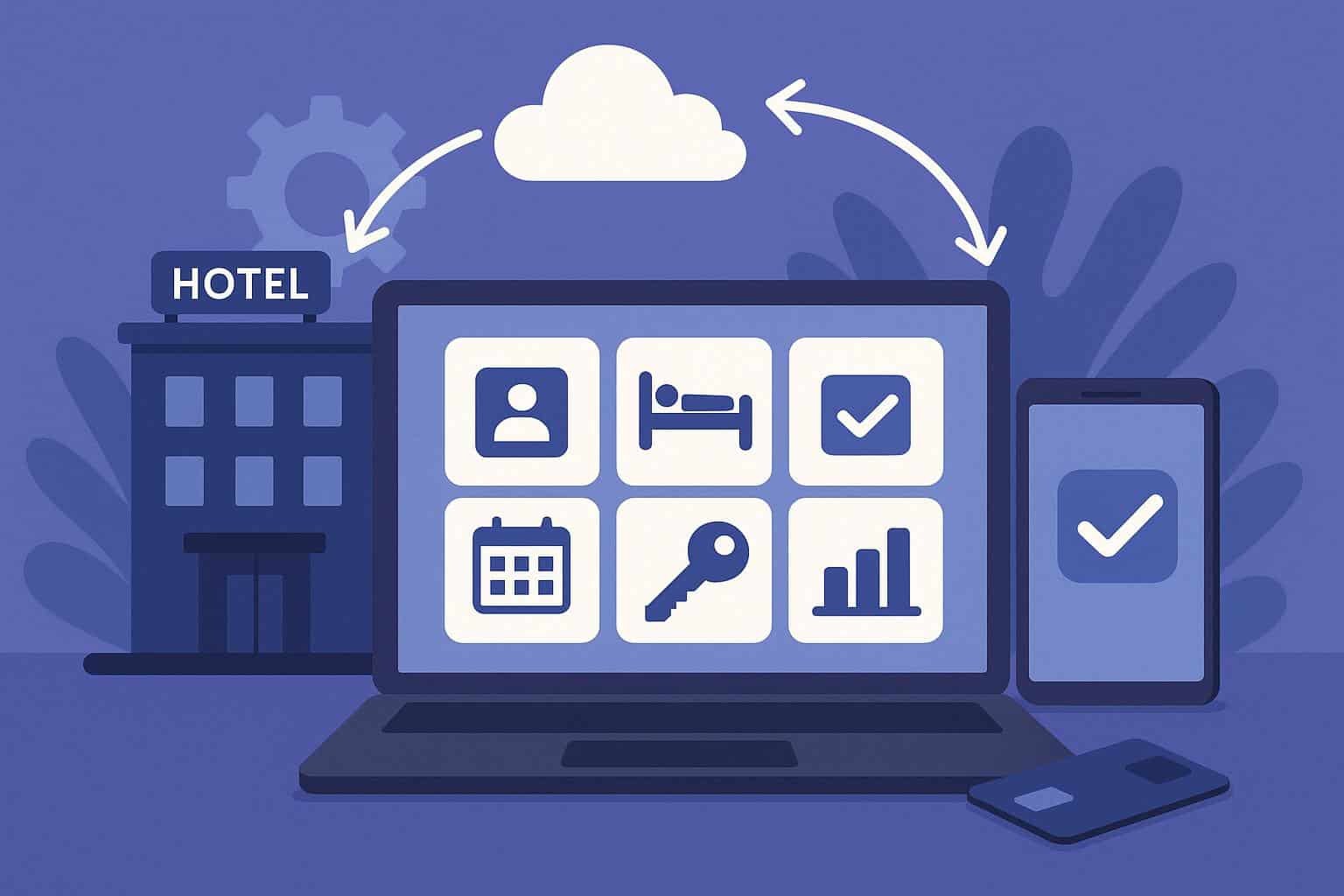
When a property adopts modern software, it changes the way every department functions, from housekeeping to the back office. The goal isn’t just to use technology for the sake of it, but to create a smoother experience for both the workers and the people staying in the rooms.
The Shift Toward Digital Operations
The core of a modern lodging business is the automated hotel property management system. This software acts as the central brain of the building, connecting various parts of the business that used to operate in silos.
In the past, if a guest checked out early, the front desk had to call housekeeping, who would then update a physical list before the room could be sold again. With an automated hotel property management system, this happens instantly. As soon as a guest is checked out in the system, a notification is sent to the cleaning crew’s mobile device. Once the room is clean, they update the status, and it becomes available for sale on the hotel website and third-party booking sites immediately.
Reducing Human Error in Daily Tasks
One of the biggest drains on efficiency is the time spent fixing mistakes. Whether it is a misspelled name or a double-booked suite, manual errors cost money and damage reputation.
- Automated Data Syncing: Guest information flows directly from the booking engine to the guest profile.
- Integrated Payment Processing: Rates are calculated and charged automatically, reducing billing disputes.
- Scheduled Reporting: Managers receive daily performance reports in their inbox without having to compile spreadsheets manually.
Optimizing Profits with Smart Pricing
Managing room rates is one of the most complex parts of running a hotel. This is where automated hotel revenue management systems come into play. Instead of a manager manually checking competitor prices and adjusting rates once a day, these systems do it constantly.
An automated hotel revenue management system uses algorithms to analyze market demand, local events, and historical data to suggest the best possible price for a room at any given moment. This ensures that the hotel is never underpriced during a busy festival weekend or overpriced during a quiet Tuesday in the off-season. By letting the software handle these calculations, the management team can focus on long-term strategy rather than clicking buttons to change prices every hour.
Benefits of Dynamic Pricing
Using data-driven insights allows a hotel to remain competitive without constant supervision.
- Increased Occupancy: Lowering prices slightly when demand is low to fill empty beds.
- Higher RevPAR: Maximizing the “Revenue Per Available Room” by peaking prices when the city is full.
- Competitor Awareness: Keeping an eye on what nearby hotels are charging in real-time.
Improving the Guest Experience Through Automation
Efficiency isn’t just about the staff; it’s also about how the guest perceives the service. No one likes waiting in a long line at the front desk after a tiring flight.
An automated hotel management system allows for features like mobile check-in and digital keys. Guests can bypass the desk entirely, going straight to their room using their smartphone. This doesn’t mean the “human touch” is gone; rather, it means the staff is free to greet guests and help with special requests instead of being buried behind a computer screen typing in passport details.
Streamlining Communication
Communication is the heartbeat of good service. If a guest needs extra towels, they shouldn’t have to wait on hold.
- Automated Messaging: Sending a “Welcome” text with the Wi-Fi password shortly after arrival.
- In-App Requests: Allowing guests to order room service or housekeeping through a tablet or phone.
- Post-Stay Feedback: Automatically sending a survey after checkout to catch any issues before they turn into negative online reviews.
The Technical Backbone: Automated Hotel Property Management System
The reliability of an automated hotel property management system ensures that the hotel never misses a beat, even during peak hours. It serves as a single source of truth for the entire organization.
Because these systems are usually cloud-based, managers can check on the property from anywhere in the world. They can see occupancy rates, daily revenue, and even housekeeping progress from a mobile app. This level of transparency makes the business more agile and responsive to sudden changes.
Data-Driven Decision Making
Success in hospitality is often a game of numbers. To grow, you need to understand where your guests are coming from and what they are spending money on.
By using automated hotel revenue management systems, hotels can identify which booking channels are the most profitable. For example, if a specific travel site is sending a lot of guests but charging high commissions, the system can help the hotel shift its focus toward direct bookings. This transition to data-reliance removes the guesswork from the business model.
Key Reports for Efficiency
- Source of Business Report: Shows exactly where bookings are coming from (Direct, OTA, Corporate).
- Daily Flash Report: A snapshot of the previous day’s financial performance.
- Forecast Report: Predicts future occupancy to help with staffing schedules.
Future-Proofing Your Business
Investing in an automated hotel management system is about preparing for the future of travel. Modern travelers expect a digital-first experience.
Research has shown that technology integration is no longer optional. According to a study on Digital Transformation in the Hospitality Industry, the adoption of automated tools significantly correlates with improved operational performance and guest satisfaction. Furthermore, research regarding AI and Automation in Hotels highlights that while automation replaces repetitive tasks, it enhances the roles of employees by allowing them to engage in higher-value service interactions.
Simplifying Complex Inventory
Managing different room types across multiple platforms is a logistical headache without the right tools. An automated hotel management system acts as a central hub for all distribution.
When a room is sold on an external booking site, the system instantly “closes” that room across all other platforms. This prevents the dreaded overbooking scenario, which often results in expensive “walks” where a hotel has to pay for a guest to stay at a competitor’s property.
Managing the Distribution Mix
- Direct Booking Engines: Encouraging guests to book on the hotel’s own site to save on commissions.
- Channel Managers: Updating rates and availability across hundreds of sites simultaneously.
- Global Distribution Systems (GDS): Connecting with travel agents and corporate bookers effortlessly.
The Bottom Line on Modernization
The transition to an automated hotel property management system is often the turning point for a struggling property. It moves the staff away from “firefighting” daily crises and toward a proactive style of management.
Meanwhile, the implementation of automated hotel revenue management systems ensures that the property is always positioned correctly in the market. Efficiency is not just about doing things faster; it is about doing them smarter. When the machines handle the data, the humans can handle the hospitality.
FAQ Section
How does an automated hotel management system handle overbookings?
The system uses a real-time channel manager that synchronizes inventory across all platforms simultaneously. As soon as the last room is sold on one site, it is instantly removed from all others, virtually eliminating the risk of double bookings.
Is it difficult for staff to learn how to use these automated systems?
Most modern systems are designed with user-friendly interfaces similar to common smartphone apps. While there is a brief learning curve, the reduction in manual paperwork usually makes the staff’s jobs much easier and less stressful in the long run.
Can a small boutique hotel benefit from revenue management automation?
Absolutely. In fact, smaller hotels often benefit more because they have fewer staff members to watch the market. Automation allows a small team to compete with larger chains by ensuring their pricing is always optimized for the current market demand.

