


Honor is stepping beyond smartphones and into humanoid robotics, teasing its first model ahead of a debut at Mobile World Congress 2026. A brief save-the-date clip shows a matte-black figure with a single head camera, a chest light strip, and articulated movement as it bends to inspect the floor—enough to signal serious intent while keeping the full spec sheet under wraps.
What Honor Showed And What It Signals For MWC
The teaser hints at a service-oriented design rather than an industrial brute. The forward-facing sensor and chest illumination suggest a vision-first stack that could combine RGB cameras with depth or structured light to map environments and recognize objects. The controlled waist bend indicates a focus on balance and compliance—capabilities essential for assisting in retail, hospitality, or home settings where humans and robots share space.

Honor has framed the announcement as part of its AI strategy, which makes sense operationally. Smartphone makers already optimize for low-power compute, compact thermal envelopes, and tight sensor integration. Those skills transfer directly to mobile robots that need efficient edge AI, reliable connectivity, and robust, consumer-ready design. Expect Honor to tout on-device inference for safety-critical perception and motion planning, with cloud services reserved for updates and fleet learning.
Humanoid Momentum And The Competitive Bar
Honor is entering a quickly maturing field. Agility Robotics’ Digit has been piloted in warehouses, including tests with a major US e-commerce company, proving bipedal platforms can handle repetitive tasks. Tesla’s Optimus prototypes have shown improved dexterity and gait year over year, while Figure’s partnerships in manufacturing illustrate how humanoids may slot into existing workflows. In consumer-adjacent territory, Xiaomi unveiled CyberOne in 2022 to showcase full-body control and expressive interaction, and UBTech’s Walker line has become a staple at tech shows.
Behind the demos, the ecosystem is solidifying. Nvidia has pushed standardized perception-to-control stacks for humanoids, aiming to reduce the time from prototype to pilot. The International Federation of Robotics reports sustained growth in professional service robots as logistics, cleaning, and hospitality expand deployments. Amazon has publicly stated it operates more than 750,000 robots across its facilities, underscoring the scale of automation demand that humanoid platforms aim to complement in the near term.
For Honor, the competitive bar means more than a slick demo. Buyers now look for proven grasp success rates, safe human-robot interaction, and uptime measured in thousands of hours. Even in concept phase, the questions are practical: How many degrees of freedom does the arm have? What’s the maximum payload? Can it navigate cluttered environments autonomously for a full shift? Those details will determine whether this is a crowd-pleasing showcase or a serious bid for real deployments.
Where A Phone Brand Could Make A Difference
Honor’s supply-chain muscle and consumer design DNA could help address two persistent humanoid hurdles: cost and reliability. Smartphone-grade components—IMUs, camera modules, batteries, and efficient SoCs—can lower bill of materials while improving availability. Years of tuning camera pipelines and ISP algorithms also translate well to robot perception, where lighting, motion blur, and edge cases punish naive vision systems.
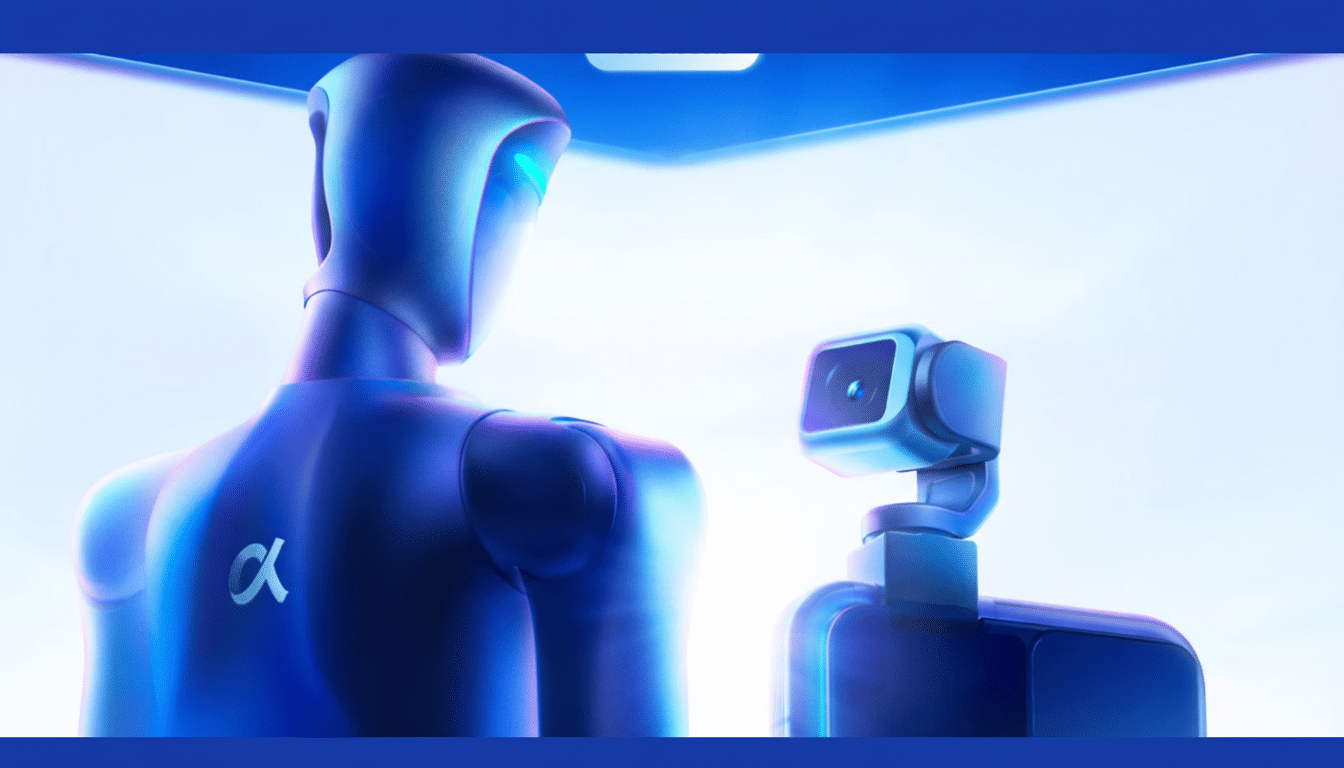
There’s also a seamless pathway to multi-device experiences. The company previously teased a Robot Phone concept with a gimbal-like arm controlling the rear camera. Whether that concept ships or not, it points to a strategy where a phone acts as a controller, authentication token, or telepresence endpoint for the robot—bridging personal and ambient computing in a way few industrial players can match.
Market Focus And Early Use Cases For Honor’s Robot
Don’t expect a US-first rollout. Honor historically prioritizes China, broader Asia, and parts of Europe, where pilot programs in retail assistance, concierge services, and elder care are gaining traction. Early deployments will likely emphasize semi-structured environments—hotel lobbies, tech showrooms, and guided tours—before moving into more complex household scenarios that demand higher dexterity and situational awareness.
Regulatory and safety frameworks are also front of mind. Standards like ISO 13482 for personal care robots and emerging EU machinery and AI regulations shape how humanoids operate around people. Clear messaging on fail-safes, speed limits near humans, and data privacy for on-device cameras will be crucial for consumer trust and enterprise adoption alike.
What To Watch At MWC For Honor’s Humanoid Debut
The key reveal will be whether Honor’s humanoid is a pure concept or a platform with a roadmap to pilot programs. Look for live demonstrations of autonomous navigation, safe arm manipulation, and recovery from gentle shoves—standard tests that separate stagecraft from engineering maturity. Any details on compute (custom SoC vs. off-the-shelf), actuator tech (harmonic drives vs. alternative transmissions), and battery swap or fast-charge approaches will be telling.
Honor will share the stage with new Magic-series devices, but the robot is the statement piece. If the company can pair credible autonomy with consumer-grade polish and leverage its global manufacturing partners, it could become the first major phone brand to turn humanoid buzz into an accessible service robot line. The teaser suggests ambition; MWC will reveal whether it’s backed by execution.
