


Honor is set to showcase its first AI-powered humanoid robot at Mobile World Congress 2026, adding a high-profile robotics reveal to a show best known for phones and networks. The company teased the debut on X alongside its upcoming Robot Phone, signaling a broader push that blends mobile hardware with embodied AI.
What Honor Is Teasing for Its MWC 2026 Robot Debut
Honor’s teaser hints at a full-size, service-oriented humanoid designed to assist with everyday tasks—shopping among them—according to reporting shared with Bloomberg. While the robot’s name and specifications remain under wraps, the company suggests tight integration with the Robot Phone, positioning the handset as a companion, controller, or even an off-board compute node for the robot’s intelligence.
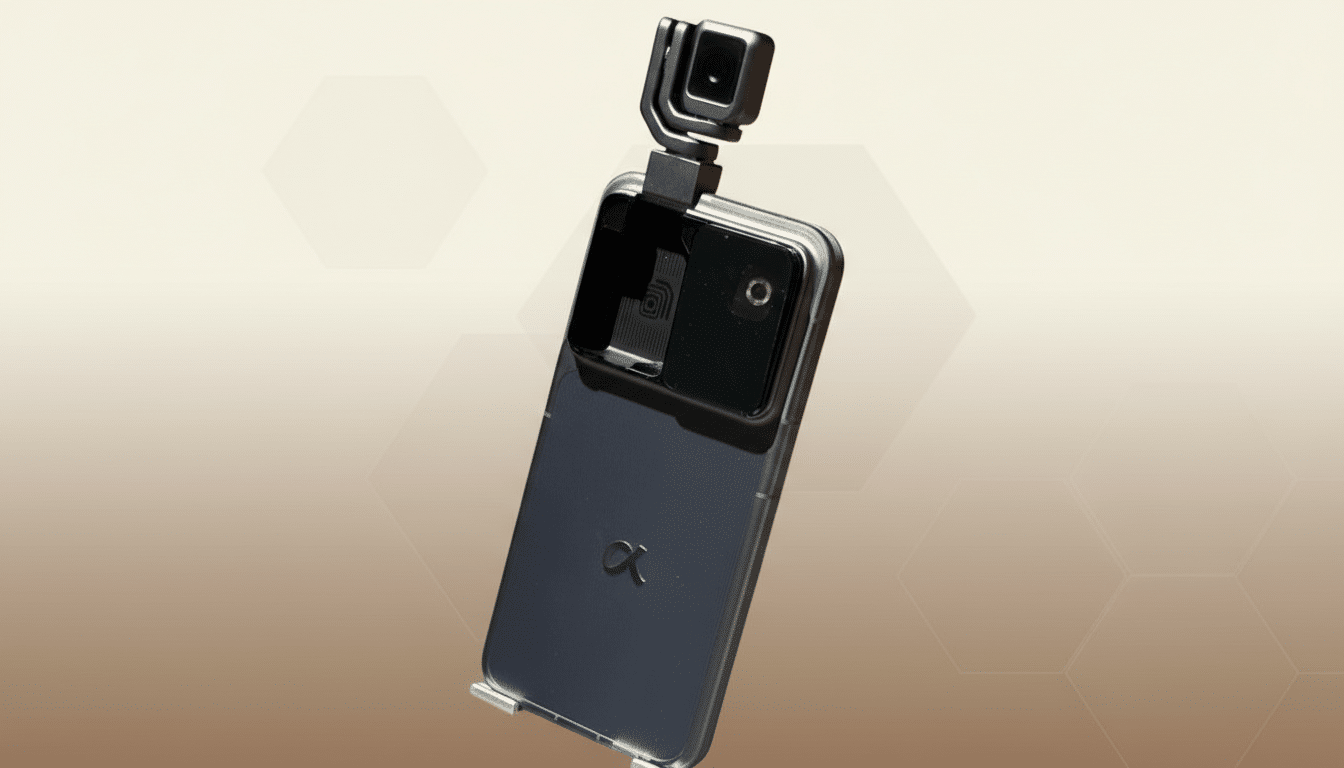
A debut on the MWC floor implies a focus on live demonstrations: stable walking in crowded aisles, real-time perception in variable lighting, and responsive interaction over noisy wireless networks. Expect Honor to lean into on-device AI and sensor fusion as proof points, with the phone-robot link serving as a showcase for edge-cloud orchestration.
Why Humanoids Are Back in Focus for Real-World Work
Humanoid robots have moved from sci‑fi set pieces to credible pilots in logistics and retail. Amazon has tested Agility Robotics’ Digit in warehouse scenarios, and Figure AI has announced manufacturing pilots and research collaborations, highlighting rapid progress in mobility and manipulation. Tesla continues to iterate on Optimus prototypes, while consumer tech players like Xiaomi have fielded concept humanoids to spotlight R&D.
The International Federation of Robotics reports that professional service robots have seen strong double‑digit unit growth in recent years, reflecting demand for machines that can operate in semi-structured human environments. Unlike legacy industrial arms, humanoids can theoretically adapt to spaces and tools designed for people. The challenge is reliability: getting bipedal locomotion, dexterous hands, and robust perception to work together affordably at scale.
How a Phone Could Power and Control a Humanoid Robot
Pairing a humanoid with a smartphone makes strategic sense. A modern flagship packs high-performance NPUs, multi-modal cameras, and mature connectivity in a cost-optimized, mass-produced form factor. The phone can provide a user interface, identity and payments, and a 5G/6G link for cloud offload when local compute is saturated.
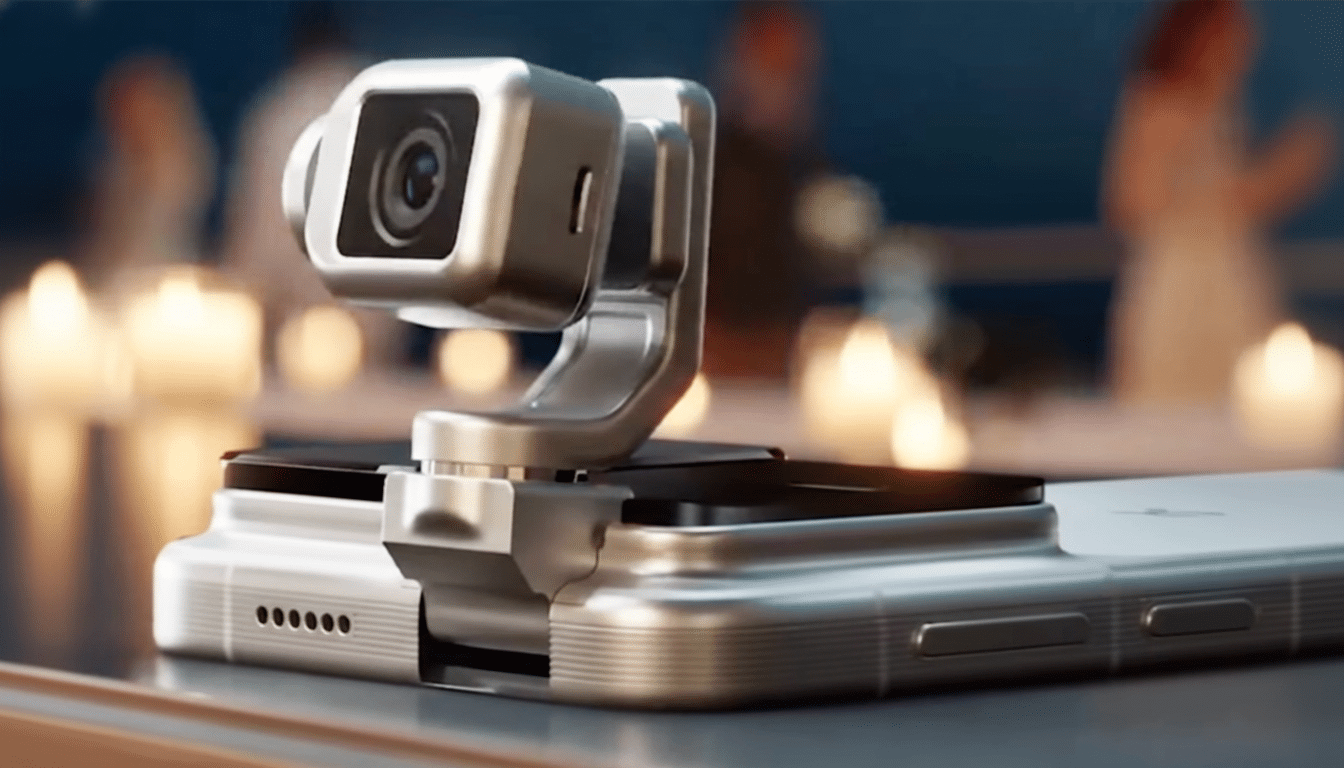
Under the hood, the robot likely relies on a stack that includes simultaneous localization and mapping (SLAM) for navigation, large vision-language models for perception and instruction following, and whole-body control for balance and manipulation. Sensors may blend depth cameras, LiDAR or structured light, and force/torque feedback in joints. Vendors commonly turn to edge AI platforms from companies like Qualcomm, NVIDIA, or Intel for real-time inference, though Honor has not disclosed its silicon choices.
Latency and reliability will be pivotal. Ultra-reliable low-latency communications promised by advanced cellular standards can reduce teleoperation lag and enable faster cloud-assisted planning. But for safety-critical motion, most decisions still need to be computed locally, with conservative fallbacks if wireless links degrade.
Why MWC Is the Right Stage for Honor’s Robot Reveal
MWC draws a global audience of operators, component suppliers, developers, and media, routinely surpassing 90,000 attendees, according to the GSMA. It’s an ideal venue for signaling category expansion beyond handsets. For Honor, a humanoid demo can reinforce its AI narrative across devices, while giving partners a tangible target for apps and accessories that bridge mobile and robotics.
What to Watch on the MWC Show Floor This Year
- Autonomy vs. teleop: Does the robot navigate and manipulate objects independently, or is there a human in the loop for delicate tasks? MWC booths are chaotic; robust autonomy there is a strong sign.
- Hands and gait: Pay attention to hand design, grasp variety, and step recovery after bumps. Smooth, repeatable motions matter more than flashy tricks.
- Phone integration: Look for seamless handoffs between the robot and the Robot Phone—voice prompts, camera sharing, and multi-device coordination. A developer SDK and APIs would be a meaningful reveal.
- Privacy and safety: Expect questions about on-device processing, data retention, and compliance. With the EU’s evolving AI rulebook, clear safeguards and auditability will be table stakes for deployments in retail or public venues.
The Stakes for Honor in Launching a Humanoid Robot
Smartphones are a mature market, and differentiation increasingly hinges on AI features. A credible humanoid amplifies Honor’s brand as an AI-first OEM and could seed a services ecosystem around robotics. But the bar is high: success requires supply chain depth for actuators and batteries, rigorous safety engineering, and a support model that goes far beyond phone repairs.
If Honor can turn a splashy MWC demo into a roadmap with clear milestones—pilot programs, pricing signals, and developer tools—it could position itself alongside the handful of companies translating humanoid promise into practical value. For now, all eyes are on Barcelona to see whether this robot walks the talk.
