


As buyers increasingly start their vendor research in AI chat apps rather than on traditional search engines, Gushwork is positioning itself as the go-to toolkit for getting discovered where those conversations happen. The India-founded startup says early deployments show AI-driven discovery can punch above its weight on conversion, and investors are taking notice.
AI Discovery Becomes A New Lead Channel
Generative AI chat platforms such as ChatGPT, Gemini, and Perplexity are fast becoming the first stop for product shortlists and vendor comparisons. OpenAI has said ChatGPT handles roughly 2.5 billion prompts a day globally, including about 330 million from U.S. users, an enormous surface area for commercial queries. Google is also weaving AI-generated overviews into search, compressing the path from question to recommended providers.
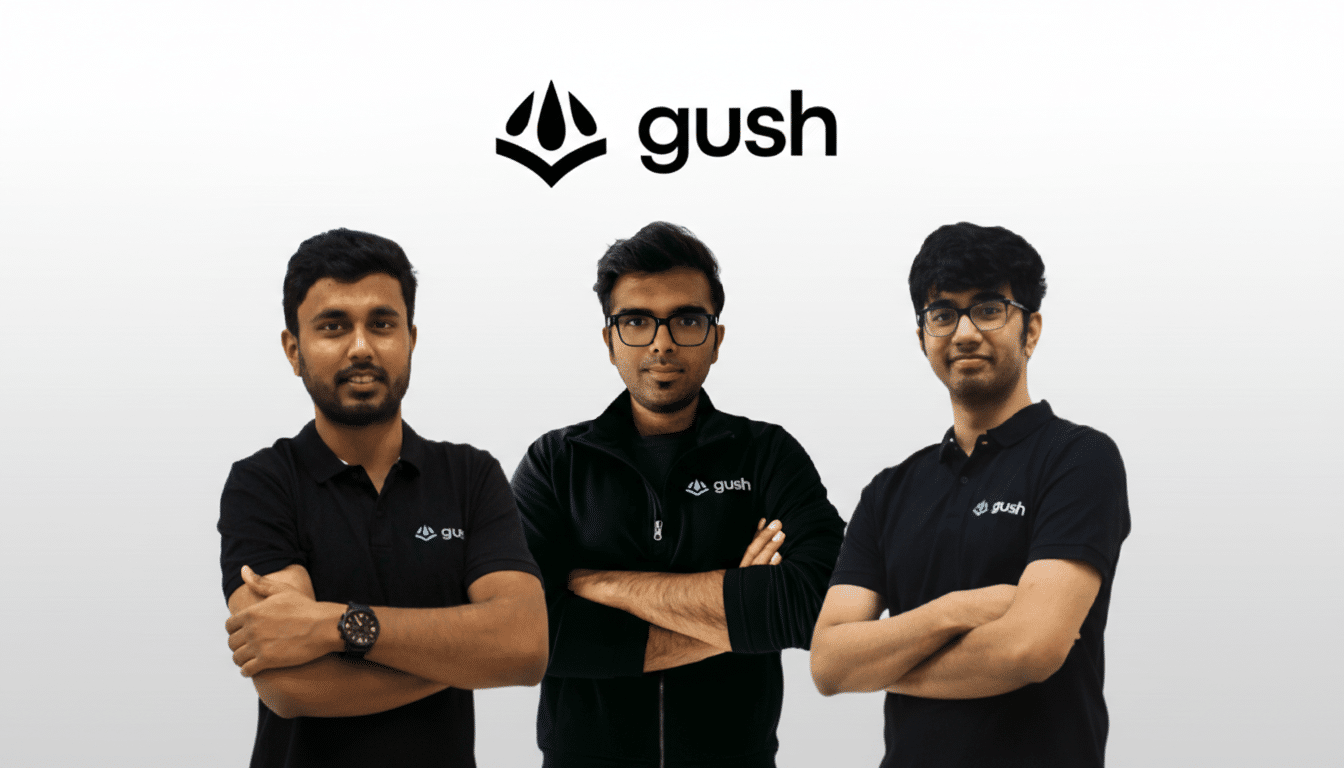
For marketers, that shift rewrites the playbook. Instead of optimizing solely for blue links, brands now need to be cited in AI answers and referenced inside chat-based recommendations. That demands structured, frequently refreshed content and authoritative signals that models can ingest, validate, and surface in response to intent-rich prompts.
Inside Gushwork’s Agent-Led Playbook for AI Discovery
Gushwork has built a network of AI agents that generate and maintain search-optimized pages, landing copy, and comparison guides designed to map to common buyer prompts. The platform pairs this with controlled link acquisition, typically 10 to 20 backlinks per customer through a vetted network of roughly 200 to 300 partner sites, to strengthen authority signals.
An integrated content management and lead-tracking layer closes the loop. Beyond traditional referral tags, Gushwork logs brand citations and assistant mentions captured in user sessions to attribute inquiries that originate in AI chat or AI-enhanced browsers—useful in a world where zero-click answers are increasingly the norm.
Early Traction and Conversion Lift from AI Search
The startup reports more than 300 paying customers, about 95% in the U.S., with subscriptions starting at $800 per month and average annual contract values near $9,000 to $10,000. After launching its AI search-focused product around three months ago, Gushwork says it is running at roughly $1.5 million in annualized recurring revenue and is aiming for $3 million to $3.5 million in the near term, citing month-over-month growth in the 50% to 80% range.
Across its base, Gushwork says about 20% of website traffic now arrives via AI-driven search and chat interfaces, yet those sources account for roughly 40% of inbound leads—an efficiency gap that suggests higher intent. One professional services client, according to the company, closed between $200,000 and $350,000 in contracts shortly after deployment.

Who Is Buying and Why These Segments Choose Gushwork
Current customers skew toward high-ticket B2B services, industrial distributors, and contract manufacturers—segments where a single closed deal can justify a year of spend. In these categories, buyers often ask assistants for shortlists filtered by certifications, geographic coverage, or compliance requirements. When a model compiles that shortlist, being cited even once can push a vendor into a live conversation with procurement.
That dynamic helps explain the conversion lift. AI answers collapse the research phase, presenting two to five viable options with pros, cons, and third-party references. If a vendor’s content is cleanly structured, continuously updated, and corroborated by authoritative links, it is more likely to be summarized favorably and trigger a direct inquiry.
Funding Plans and Execution Risks as AI Policies Shift
Gushwork says recent funding will go toward expanding its engineering team, improving model accuracy and prompt orchestration, and scaling go-to-market efforts. The company notes a waitlist of more than 800 businesses and a growing delivery footprint, with headquarters in Delaware, an office in Bengaluru, around 70 employees in India, and additional contractors.
Execution will hinge on quality controls as AI platforms tighten policies around content and links. Overreliance on low-quality placements could dampen authority signals or invite penalties. Measurement remains another challenge, since many AI assistants obfuscate referral data; Gushwork’s emphasis on citation tracking and first-party engagement analytics is a pragmatic hedge.
The Bigger Picture for Answer Optimization and SEO
With conversational AI reshaping how buyers navigate the web, a new layer of “answer optimization” is emerging alongside classic SEO. Gushwork’s early numbers suggest that brands prepared to feed, structure, and validate their data for AI models can capture outsized lead flow before this channel matures.
If that pattern holds, marketing stacks will look different: fewer broad campaigns, more model-readable assets, and tighter loops between content, authority building, and lead attribution. For now, Gushwork is betting that the path to the next customer increasingly runs through an AI prompt—and that getting named in the answer is the metric that matters.
