


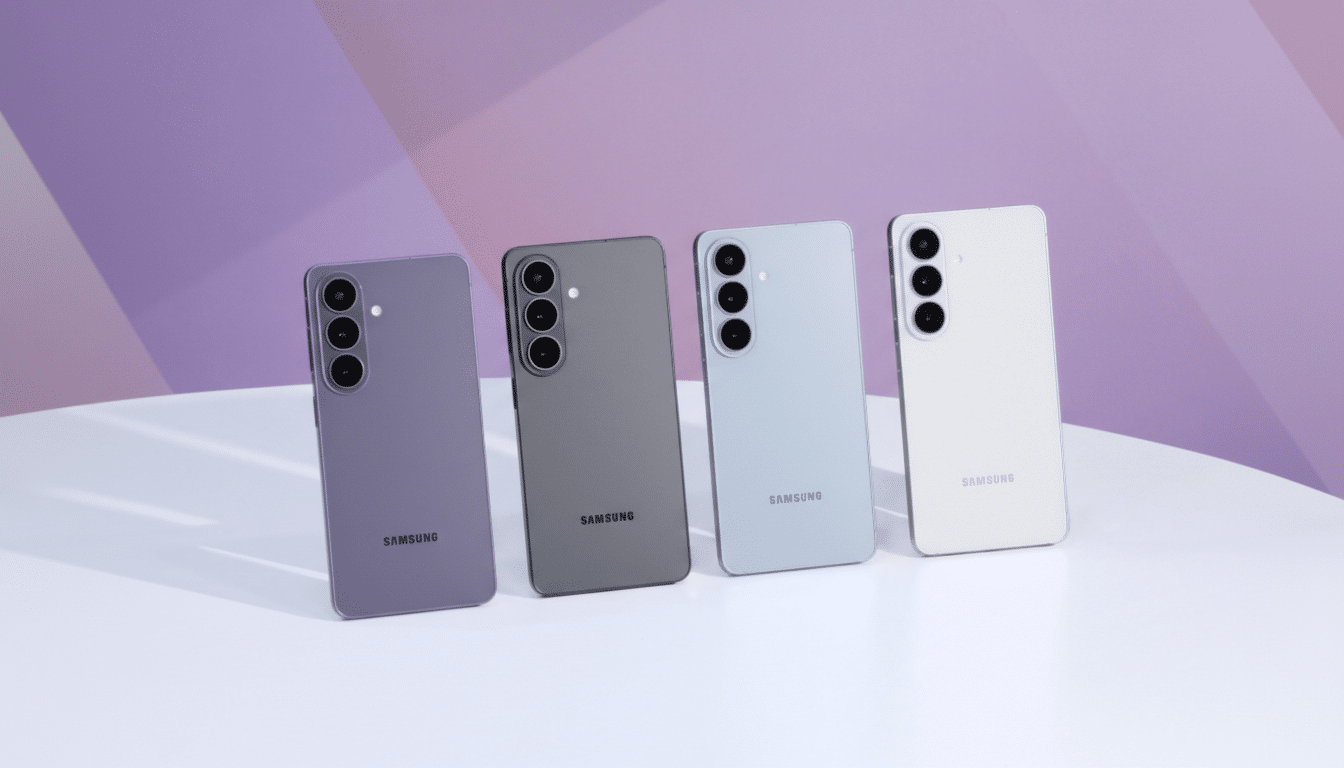
Google’s Call Scam Detection is now built into the Samsung Phone app on the Galaxy S26 lineup, marking the feature’s first appearance outside Pixel devices. The tool uses on-device AI to listen for hallmarks of fraud while you are on a call, surfacing a real-time warning if the conversation mirrors known scam playbooks.
Google confirmed the integration for the Galaxy S26, S26 Plus, and S26 Ultra. It runs locally using the Gemini Nano model, so analysis happens on the phone rather than in the cloud. The system will not monitor calls with people saved in your contacts, and when it detects risky patterns, it alerts you with on-screen prompts plus audio and haptic cues.
How the on-device guardrails work to flag scams
Scam Detection looks for language and behavior patterns that frequently appear in fraud attempts, such as the following:
- Urgent demands to keep the line open
- Instructions to move money immediately
- Requests to pay with gift cards for supposed deliveries or fines
If the model hears these cues, it flags the call before sensitive details or funds change hands.
Because the analysis is on-device via Gemini Nano, alerts can appear quickly without sending call audio to external servers. That design mirrors Google’s broader move to bring small language models directly onto premium phones, enabling privacy-preserving features like real-time risk detection in the flow of a conversation.
In a practical example, if a caller pretends to be a courier and insists you must buy gift cards to secure a package, the system can interrupt with a prominent warning. You can then hang up, ask follow-up questions, or manually dismiss the alert if the call is legitimate but unusual.
Availability and language support for Galaxy S26 series
The feature is launching for English speakers in the US on the Galaxy S26 series. Google has not announced timelines for other regions or languages. There is also no guidance yet on availability for earlier Galaxy flagships, even though many recent high-end Samsung phones are capable of running on-device AI models.
Until broader rollout, this is a notable expansion beyond the Google Phone app on Pixel. By bringing the capability natively into Samsung’s dialer, Scam Detection is poised to reach a much larger audience as S-series devices ship worldwide.

Why this matters for scam losses and consumer safety
Phone scams remain a leading vector for fraud. The US Federal Trade Commission reports that consumers lost more than $10 billion to scams in 2023, with imposter scams topping the charts and gift cards frequently used as a payment method in phone-based cons. A real-time, device-level warning system aims to blunt that harm at the exact moment it matters.
Carriers have deployed network defenses like STIR/SHAKEN caller ID authentication and spam labeling, but criminals often adapt with fresh scripts, local spoofing, and social engineering. On-device AI offers a complementary layer by evaluating the actual conversation for red flags, not just the number that appears on the screen.
Early exposure at scale could also improve public awareness. Seeing a system flag familiar scam tropes — urgent threats, secrecy demands, crypto or gift card payments — can train users to recognize and reject them more quickly over time.
What it means for Samsung and Google’s AI partnership
For Google, placing Gemini Nano inside Samsung’s default phone app showcases the company’s push to make on-device AI a safety layer across Android, not just a Pixel perk. For Samsung, it strengthens the Galaxy S26 value proposition with a security feature that operates quietly in the background yet addresses a costly, everyday threat.
The move also underscores a broader industry shift: critical protections are moving closer to the user, where latency is low, privacy can be preserved, and warnings are contextually relevant.
What to watch next as scam detection expands across Galaxy S26 devices
Keep an eye on international and multilingual support, as well as potential expansion to older Galaxy devices and other Android manufacturers. Users on the Galaxy S26 series can look for Scam Detection controls inside the Samsung Phone settings once the feature reaches their region. As with any safety tool, it is an aid, not a guarantee — but catching common scam scripts mid-call could save users significant money and stress.
