


Any smart home worth its automation salt should still let you trigger complex scenes that can control multiple devices with a single button press, without having to say anything to a screen or navigate an app. Amazon’s new wall-mounted remote, a smart dimmer that pops out to become a handheld controller—nails that sweet spot so perfectly that it highlights a yawning hole in the Google Home lineup. It brings a tactile interface, routine automation triggers, and light dimming to your wall, all for about $19.99. Google will respond with its own first-party remote.
What This Remote Actually Does for Smart Home Control
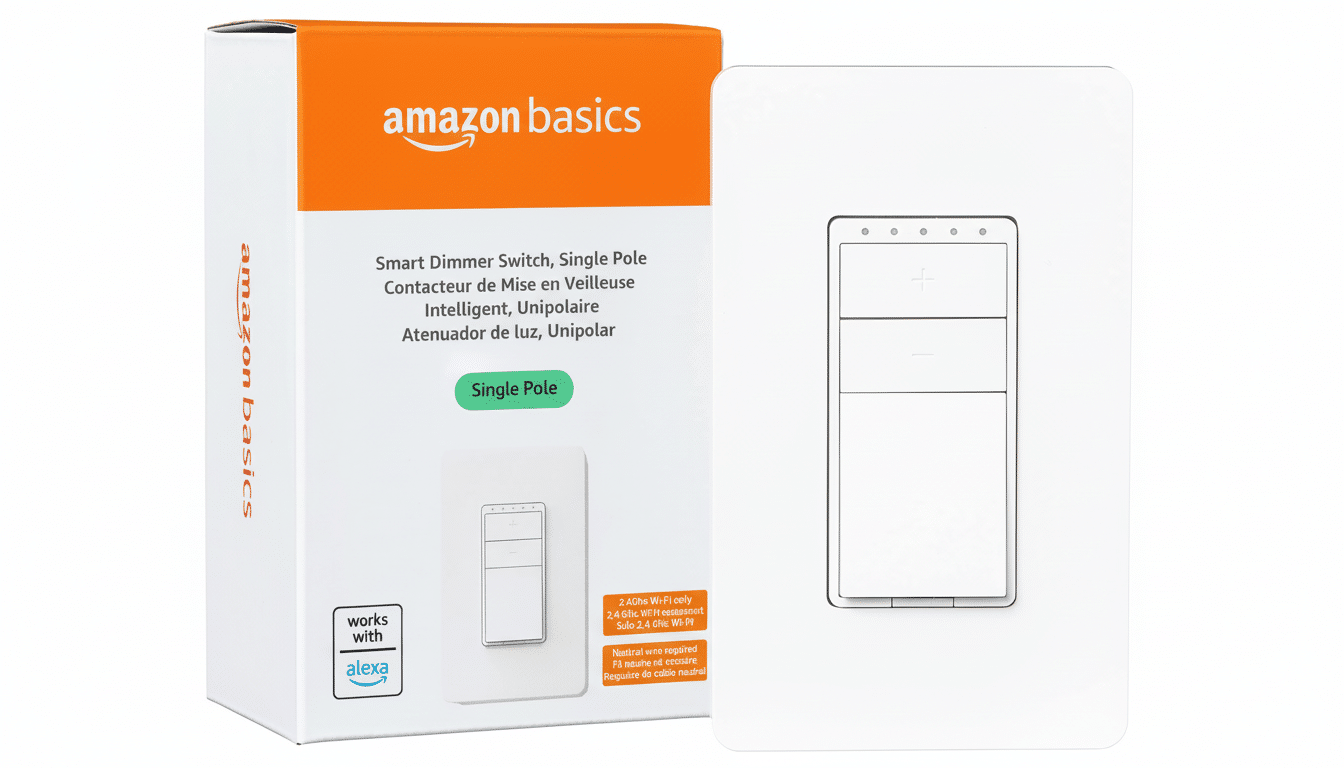
Amazon’s version, which it sells under the official name Amazon Basics Smart Dimmer Switch and Remote for Music and Routines, stays on your wall like any regular switch, then detaches to become a handheld remote that can fit inside your pocket. It is far more versatile than just a light switch: Four programmable buttons can each trigger a sequence of actions—such as dimming the lights, lowering the shades, and starting a playlist—with a single press. It’s a simple concept executed with tight design, the kind of effortless control that makes smart homes actually feel smart.
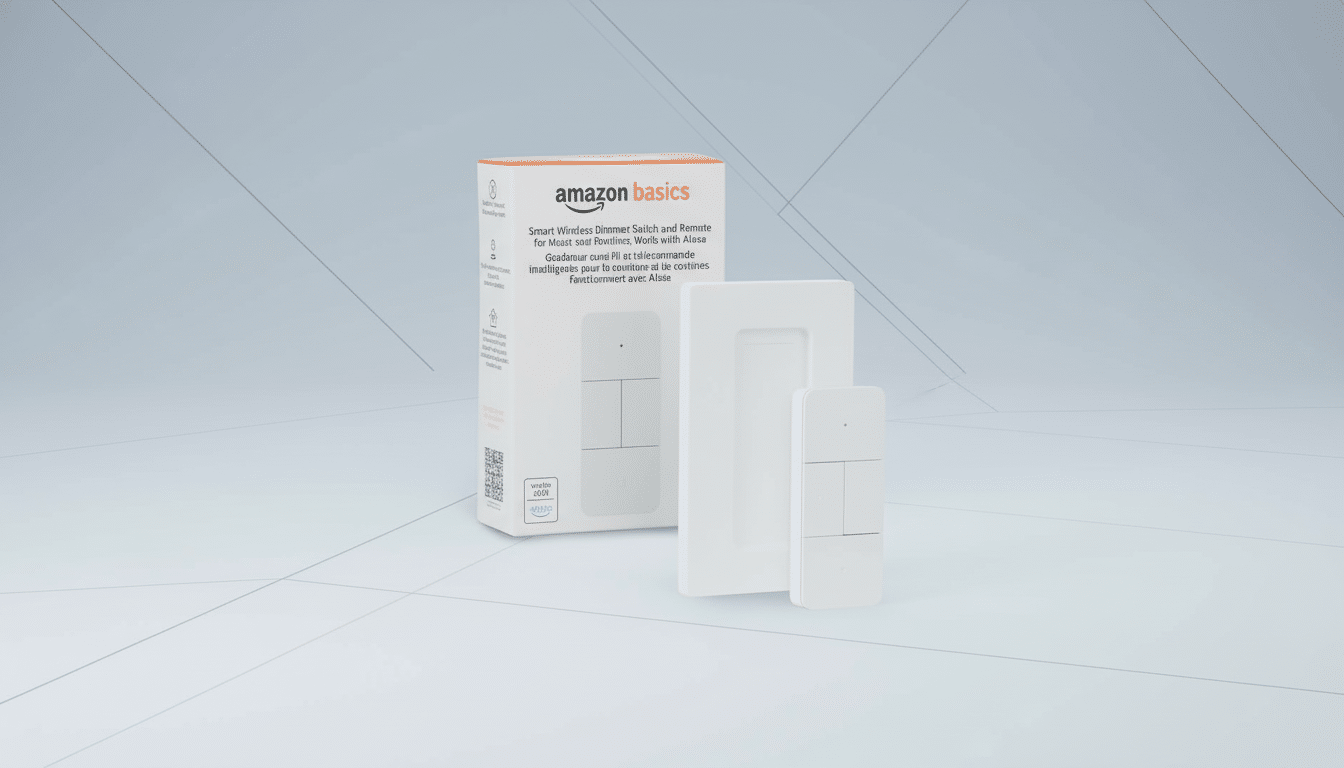
The genius is not in the dimming—it’s the routines on hardware. Screens and voice assistants can cause a scene to occur, but every time it pulls its weight because it’s both quick and glanceable—always ready. And when the family is trying to watch a movie, or you’re juggling groceries, the difference between a you-just-do-this “one press” and an open-an-app-and-navigate-to-the-scene action is the difference between using a feature every day, and a blanket statement about missing it.
Why Buttons Are Better Than Voice For Routines
Voice is great—until it isn’t. Point defects, misunderstandings from commands, and kids snoozing in the back seat add up to multimodal control being crucial. Tactile inputs also address a common smart home pain point: Guests and kids have no idea what your devices’ names or wake words are. A labeled button is universal. Accessibility is a consideration, as well; it’s often easier for people with motor, speech, or vision disabilities to use physical controls.
Research also supports a hybrid model. Companies like Parks Associates have long noticed that households running a variety of smart gadgets prefer an experience that uses a mixture of voices, apps, and physical interfaces. The continued popularity of easy-to-use devices like the Philips Hue Dimmer Switch and Lutron Pico remotes shows that good buttons are still best-sellers because they work, with low latency and spousal/guest-friendliness.
Google’s Missing Piece in First-Party Smart Home Controls
On paper, it’s a powerhouse: solid routines, a capable Script Editor for advanced automations, Nest Hubs and speakers in every room of the house, and virtually universal Matter and Thread support via devices like Nest WiFi Pro. What it doesn’t have is a first-party, affordable remote that bundles everything together. That vacuum leaves its customers piecing together their ideal solution from a variety of third-party buttons—Flic, Hue, Ikea, or Lutron—each with trade-offs, bridges, or partial integrations.
Yes, Matter is a big help and the Connectivity Standards Alliance keeps adding device categories and interoperability. But in reality, binding a plain old button to complex multi-device routines that work across brands is still more than most households are willing to deal with. A Google-constructed remote could be the definitive, zero-config trigger for Home and Nest, as Nest thermostats set the standard in smart climate control.
What a Google Home Remote Should Offer Users and Homes
Begin with the Amazon playbook: a wall dock that works as a handheld, 4-plus clearly discernible buttons, and native mapping to Household Routines. Factor in Google’s strengths: Thread for reliable, low-power connectivity; deep integration with the Google Home app and Script Editor; plus multi-home support for households keeping tabs on multiple locations.
Give it a distinctly Google feel: haptic feedback when you press buttons, an optional “find my remote” ping thanks to runtime support for Bluetooth, and contextual smarts. For instance, a “Good night” button could respond to who’s home at the time it’s pressed and shut off media on the nearest Nest speaker or Pixel Tablet dock, then arm cameras and lock doors. A guest mode might restrict to non-sensitive actions but still operate lights and media. Battery life should be counted not in days but months, and the price would have to be below boutique button money—as in closer to $20 where buying a handful seems reasonable.
A Clear Market Signal for a First-Party Google Remote
The market, in fact, has already voted with its wallet. Logitech’s withdrawal from Harmony created a hole in the market for easy, reliable home control away from the TV. Signify and Lutron remotes are still a staple, since they work. Smart home adoption continues to rise, and homes want tools that don’t add friction but rather take it away. A first-party Google remote would reinforce to consumers that Home isn’t just about software, but a polished, tactile experience.
Amazon’s cheap, routine-focused remote is the right idea at the right price. If Google copies the idea—and piles in its automation chops—it would be the everyday control that has so far made Google Home fall short of perfect. Sometimes the smartest upgrade is also the simplest: a button that does exactly what you want, every time.
