


Google is preparing a wider rollout of AirDrop interoperability on Android, moving beyond its initial Pixel-only debut and bringing seamless, local file sharing with iPhones to far more devices. The company also plans to extend transfers to iPads and MacBooks, signaling a rare, practical bridge between the two dominant mobile ecosystems.
What’s Changing and When the Wider Rollout Begins
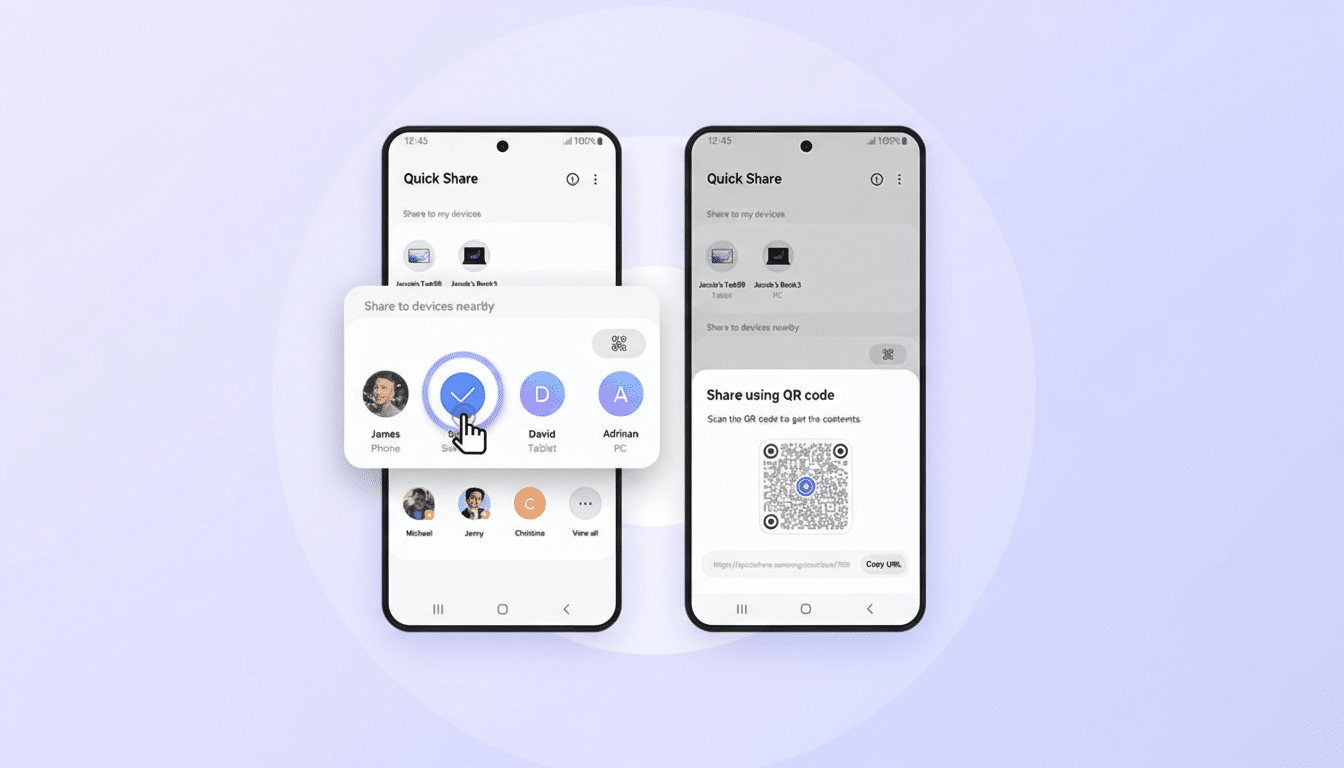
Android’s Quick Share, which gained the ability to exchange files with Apple’s AirDrop last year, will be enabled on a broader range of Android phones in the coming months. Eric Kay, Google’s VP of Android engineering, told Android Authority the team is scaling the feature to “a lot more devices,” with partner-led implementations underway.
- What’s Changing and When the Wider Rollout Begins
- Who’s Likely to Get It Next Across the Android Ecosystem
- How Cross‑Platform Sharing Works Right Now
- Why This Matters for Everyday Cross‑Platform Sharing
- Beyond Phones, iPads and MacBooks Are Next
- Security and Privacy Considerations for Local Sharing
- What to Watch Next as Cross‑Platform Sharing Expands
The first phase was limited to the latest Pixel generation, a typical pattern for Google to stabilize new capabilities before handing them to the wider Android ecosystem. The expansion points to Google’s confidence that cross-platform discovery and transfer are now robust enough to survive the fragmentation that comes with dozens of OEMs and chipsets.
Who’s Likely to Get It Next Across the Android Ecosystem
Two names stand out: Qualcomm and Nothing. Qualcomm publicly signaled enthusiasm for enabling the feature on Snapdragon platforms shortly after Google announced the interoperability. Because Snapdragon silicon powers most premium and midrange Android flagships, Snapdragon-level support would effectively open the door to phones from Samsung, OnePlus, Xiaomi, Honor, and others.
Nothing has also shown interest, which tracks with its recent efforts to prioritize clean, fast device-to-device features. If OEM adoption follows the usual Android cadence, expect flagship lines to get it first, with broader midrange rollouts as firmware and radio stacks are validated.
How Cross‑Platform Sharing Works Right Now
Quick Share uses Bluetooth Low Energy for device discovery and then negotiates a high-speed local connection—typically Wi‑Fi Direct—for the actual data transfer. On the Apple side, AirDrop similarly blends Bluetooth and peer-to-peer Wi‑Fi. The current catch is on iPhone: recipients must temporarily set AirDrop to “Everyone for 10 Minutes” to accept a file from an Android phone.
It’s an understandable safeguard in Apple’s model, but it adds a step that Android users don’t face when sharing within the Android ecosystem. The expansion Google is planning won’t remove that Apple-side requirement on day one, but smoother prompts and clearer UI handshakes can reduce friction. Expect Google and partners to refine the flow so mixed households and group chats can pass photos, videos, and documents without resorting to messaging apps or cloud links.
Why This Matters for Everyday Cross‑Platform Sharing
Local, offline sharing sounds mundane until you actually need it. Moving a 4K video from a phone to a laptop, handing a concert clip to a friend, or grabbing a boarding pass from a partner is meaningfully faster with direct device-to-device transfer than with an upload to the cloud.
Android counts more than 3 billion active devices worldwide according to Google’s disclosures, while Apple reports over two billion active devices across iPhone, iPad, and Mac. In mixed-device regions—think North America and Europe—any reduction in the “green-blue bubble” divide is noticeable. This is also part of a broader trend: Google has pushed for cross-platform standards like RCS messaging, and regulators in markets such as the EU have encouraged more interoperability across walled gardens.
Beyond Phones, iPads and MacBooks Are Next
Google says it’s working with partners to enable transfers to iPads and MacBooks, not just iPhones. That matters for classrooms, creative workflows, and travel scenarios where an Android phone and a MacBook frequently coexist. If OEMs pair this with robust laptop utilities—Samsung and others already offer PC companions—Android-to-macOS sharing could become a credible everyday habit.
There’s also a bigger migration story unfolding. Reports from outlets like 9to5Google indicate engineers at both companies have explored ways to simplify switching between platforms. Google has already improved its “Switch to Android” tools for photos, messages, and app lists. Streamlined, local transfers would further chip away at the pain of moving your digital life.
Security and Privacy Considerations for Local Sharing
Direct-share protocols are designed to be local and consent-driven. Devices must be nearby, recipients must approve incoming items, and transfers use encrypted channels over peer-to-peer Wi‑Fi. On iPhone, the “Everyone for 10 Minutes” mode expires automatically, reducing the window for unwanted requests. Android OEMs will still need consistent UI cues so users know who is sending what and from which device name—a common rough edge in early, cross-vendor rollouts.
What to Watch Next as Cross‑Platform Sharing Expands
Three signals will show how fast this takes off: Snapdragon-level enablement, early adoption by major Android brands, and any change to Apple’s AirDrop prompts that shortens the acceptance flow. Keep an eye on developer notes from Android partners and statements from ecosystem players like Qualcomm, as well as practical demos from reviewers verifying cross-platform speeds and reliability.
If Google and its partners land a smooth, widely supported experience, casual file sharing between Android and Apple devices could finally feel native, not like a workaround. That would be a quiet but meaningful win for users on both sides of the aisle.
