


At times when trust disintegrates, uncertainty seems to weigh heavier than the truth itself. Whether you are dealing with a legal case, immigration issue, or a stressful relationship, the lack of answers tends to do more harm than established facts.
At that point, you may begin the search for clarification using professional verification. Confusion, however, comes very quickly. Are lie detector tests accurate? Are they admissible in court? Can they be manipulated? And most importantly, can they actually protect your interests?
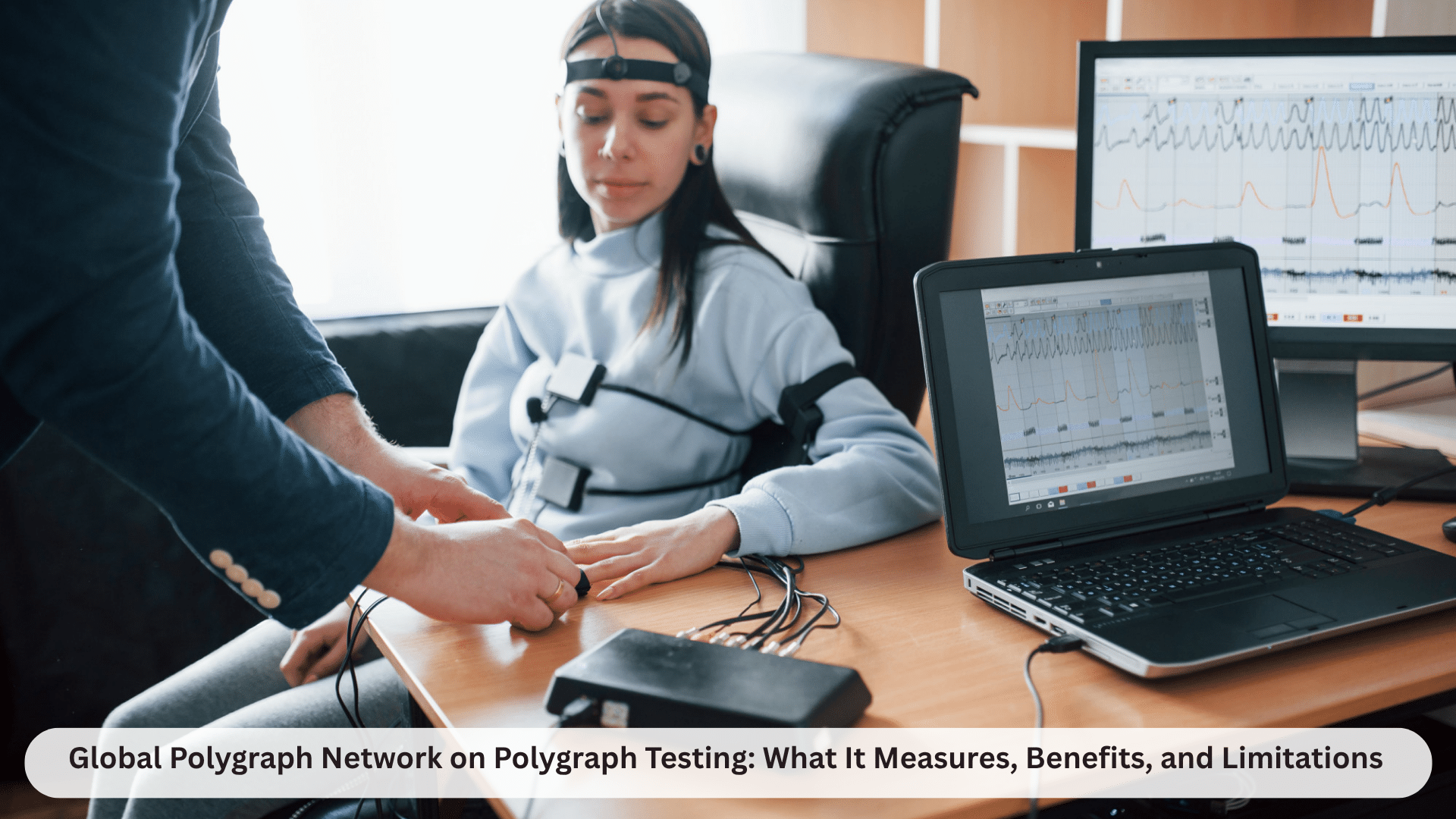
These are valid concerns, especially when the consequences are one’s reputation, legal consequences, or personal relationships. Therefore, being aware of how polygraph testing works – and its successes and failures – is important before you make a decision.
This article explains the benefits, limitations, and risks of lie detector testing while outlining what professional and ethical polygraph services should offer.
What Professional Lie Detector Test Actually Measures
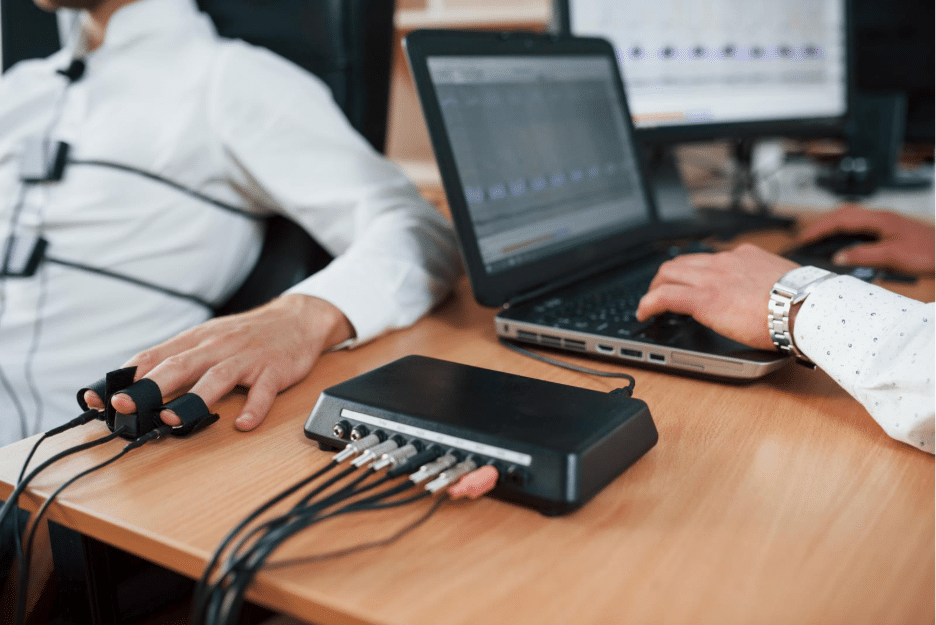
A well-administered lie detector test does not identify lies directly. Rather, it records physiological reactions like heart rate, blood pressure, respiration, and galvanic skin response. These signs indicate alterations in the autonomic nervous system when the individual becomes psychologically stressed in case of deception.
The test, however, relies on the training of examiners, validated question formats, and controlled procedures in order to be reliable. This is exactly the reason that professional networks like Global Polygraph Network focus on the standardized forensic protocols as opposed to informal or over-the-phone styles of testing.
Additionally, a structured examination is conducted in three stages, which are pre-test interview, in-test data collection, and post-test analysis. Each phase is critical. Without proper pre-test calibration, the physiological readings lack context. Without controlled questioning, responses become ambiguous. Consequently, professionalism determines credibility.
Key Benefits of Lie Detector Tests
Lie detector tests offer practical advantages when used in appropriate legal and investigative contexts. Below are the primary benefits explained clearly and strategically.
1. Psychological Clarity
To begin with, it generates psychological clarity. In law or investigation cases, indecision is a factor that halts the process. A systematic analysis would refine an investigation path, remove false leads, and aid in case strategy.
2. Deterrence Effect
Second, it acts as a deterrence. A lot of people change their minds when confronted with a polygraph administered by a professional. This is enough to prevent disputes before they become a problem.
3. Tactical and Strategic Advantage
Third, it provides tactical advantage in criminal defense, employment lawsuits, or civil investigations. Although polygraph evidence may not necessarily be admissible under all U.S. jurisdictions, it can impact the plea bargaining process, direction of investigation, or internal decision-making.
Due to this reason, established providers like Global Polygraph Network market their services in the contexts of law and investigations as opposed to entertainment and novelty aids. They focus on professional credibility, compliance with ethics, and evidentiary standards.
Limits of Lie Detector Test
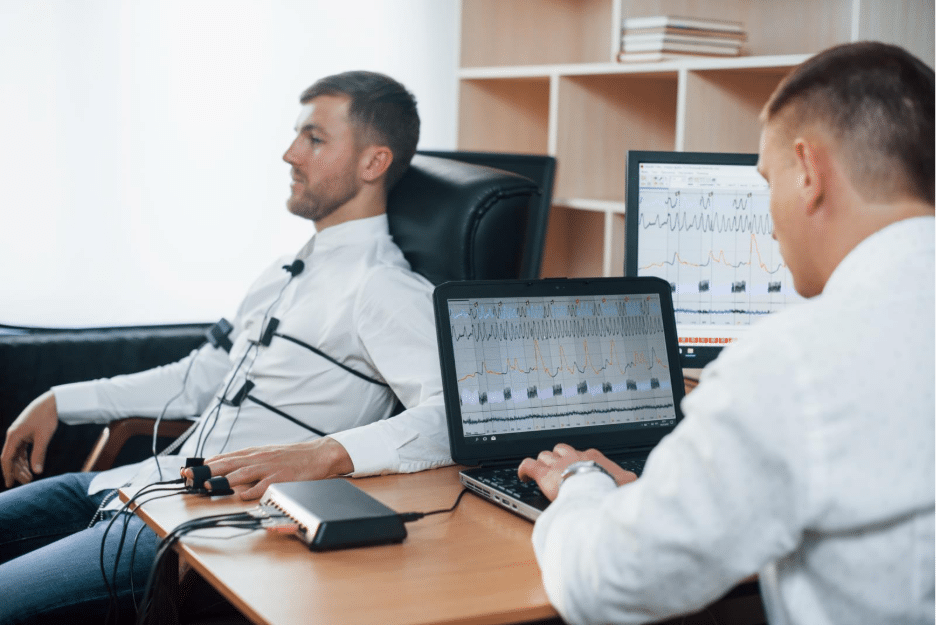
In proper conditions, polygraph accuracy rates are often stated to be between 90% and 95% accurate. However, no forensic technique is perfect.
Results can be influenced by a number of factors:
- Poorly framed questions
- Inexperienced examiners
- Medical conditions
- Emotional instability
- Attempts to take countermeasures
Because of these factors, a polygraph should not be used to replace a complete investigation. Instead, it should support other evidence.
Ethical providers clearly explain such limits. Instead of promising guaranteed results, they rely on structured methodology and professional judgement.
Risks of Polygraph Test
Although a polygraph provides value, if it is misused, it becomes risky.
- First, unqualified examiners may not be properly certified or experienced. This can lead to faulty procedures and false conclusions.
- Second, there are remote or voice stress services that purport to be comparable to forensic polygraph practices. In practice, they do not have validated peer-reviewed research to support their use.
- Third, unethical testing may occur due to inappropriate testing. The subjects should provide informed consent. Questions should remain within the confines of the law.
Because of these reasons, it is important to select a credible provider. Professional associations focus on the credentials of the examiners, standard practice, and open reporting. These are measures that safeguard all parties.
Choose Professional and Ethical Polygraph Services
The value of a polygraph test is determined by credibility.
A qualified provider must provide:
- Network of certified examiners
- Organized criminal procedures
- Clear written reports
- Adherence to legal requirements
- Pre- and post-testing communication transparency
The established companies like Global Polygraph Network concentrate on these aspects. Their approach reflects accountability, not marketing claims. When legal strategy or personal reputation is involved, professional standards matter.
Final Perspective
Lie detector tests are not investigative tricks. Instead, they are designed and structured forensic tools. They measure physical responses that are associated with psychological pressure.
If properly conducted by trained professionals, they can be a source of clarity and direction. However, they also have limits and risks.
Before moving forward, assess your purpose, timing, and jurisdiction. timing and jurisdiction. Besides, evaluate the provider’s credibility.
The presence of established professionals like Global Polygraph Network in the case of a high-stakes scenario is useful in promoting ethical practice and investigative integrity.
Ultimately, informed decisions safeguard your interests as well as the integrity of the process.

