


Google is turning Gemini into more than a chatbot. The assistant is gaining “agentic” powers that can quietly handle errands like booking a cab, reordering your favorite takeout, or topping up your weekly groceries — but there’s a catch. The new automation features are limited to the Pixel 10 family, putting earlier Pixel owners on the sidelines.
In demos, you issue a request and Gemini works behind the scenes with supported apps to complete each step, then asks for a final confirmation where needed. It sounds like the kind of stress-free utility people actually want from AI. Yet Google isn’t saying which third-party apps are compatible at launch, and that omission looms large.
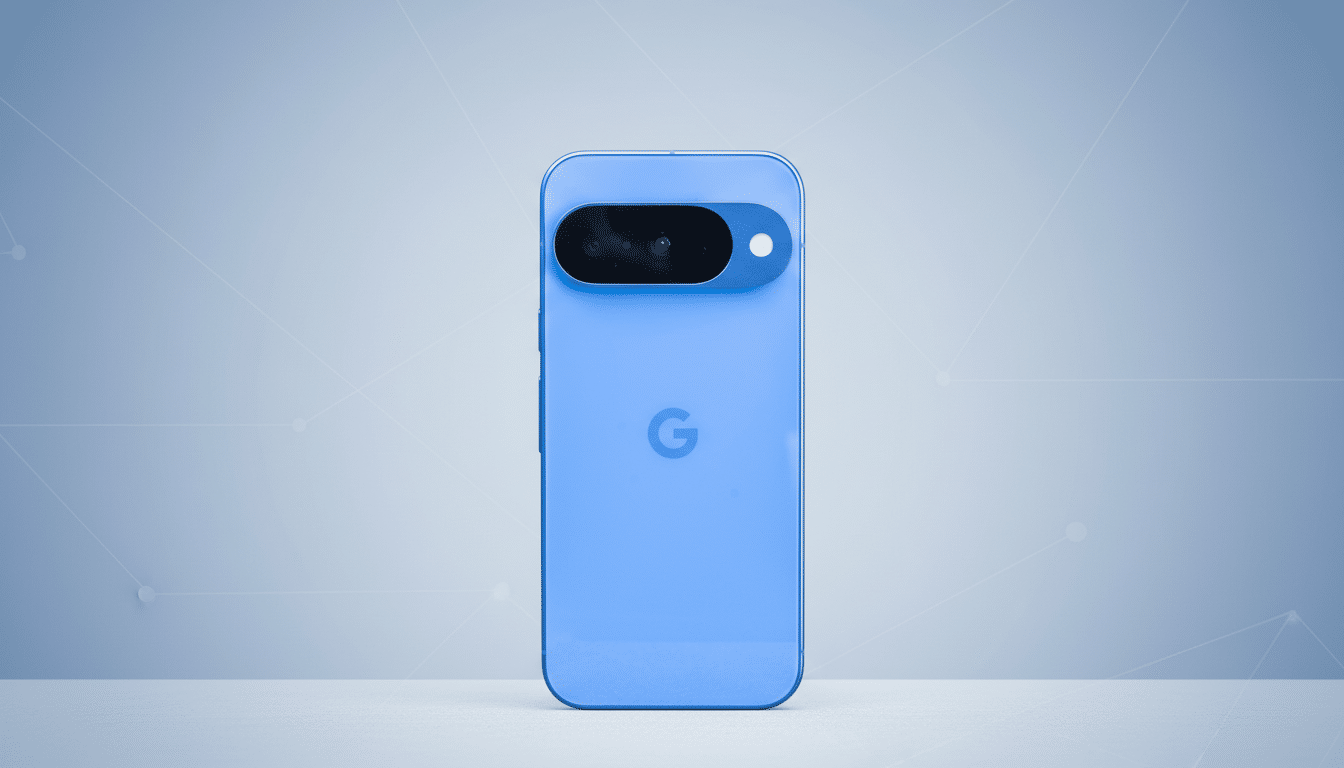
What Gemini’s new agentic upgrade does across apps
“Agentic” in this context means Gemini can plan and execute multi-step tasks across apps with minimal micromanagement. Think: open a ride-hailing app, set pickup and destination, check surge pricing, pick the right tier, and confirm the ride — all kicked off by a single prompt. The same scaffolding applies to reordering groceries or placing a routine takeout order.
Crucially, this runs in the background, so you aren’t tapping through every dialog box. Google positions this as a time saver for the boring, repetitive errands that clog your day. It’s an incremental but important shift from “talkative” assistants to “doers.”
Pixel 10 exclusivity raises questions about access
Google is keeping the new capabilities exclusive to the Pixel 10, Pixel 10 Pro, Pixel 10 Pro XL, and Pixel 10 Pro Fold. There are two plausible explanations. One is technical: newer Tensor chips and on-device NPUs may be required for low-latency planning and secure execution. The other is strategic: flagship exclusives drive upgrades.
The industry has precedent here. Apple limits Apple Intelligence features to devices with A17 Pro and M‑series chips, citing on‑device performance and memory constraints. Samsung’s first wave of Galaxy AI features debuted on the S24 line before trickling backward. Google’s approach slots neatly into that playbook, even if it frustrates loyal users on last year’s Pixels.
If this is truly a hardware necessity, Google could say so and defuse the backlash. If it’s not, the move reads as classic feature gating. Either way, the message is clear: the most meaningful AI perks are becoming tied to the newest silicon.

Privacy and safety implications for automation
Letting an AI touch your ride-hailing, food delivery, or payment accounts introduces obvious risks. Even well-designed agents can misinterpret intent, overspend, or trigger actions at the wrong time. Research communities and standards bodies like NIST, through its AI Risk Management Framework, have repeatedly cautioned that autonomous systems require strong oversight, auditability, and human-in-the-loop controls.
Google’s guidance aligns with that: supervise Gemini, review what it’s doing, and interrupt if it goes off-script. That may feel like it undercuts the magic, but it’s a practical compromise while agent behaviors mature. Expect granular permissions, clear activity logs, and frequent confirmation steps to be table stakes for trust.
What we still don’t know about apps and availability
The biggest blind spot is app compatibility. Will Gemini work with the obvious players in ride-hailing and delivery, or only a curated list at first? Regional availability, language support, and whether tasks can run fully on-device or must call the cloud are also unanswered. Those details determine whether this becomes a daily driver or a neat demo you forget in a week.
Equally important: how data flows. Users will want clarity on what Gemini sees inside third-party apps, how long that data is retained, and what is shared back with partner services. Without that transparency, many will keep the training wheels on.
Why this matters for the market and Pixel upgrades
Smartphone makers are racing to turn AI from a chat window into a real utility that moves money, time, and tasks. Ride booking and grocery reorders are perfect testbeds because they’re high-frequency and low-stakes. Uber alone has reported billions of trips annually in recent years, a reminder that even small automation wins at that scale can translate to real convenience.
If Gemini’s agentic features feel reliably helpful, Google has a compelling reason for Pixel 10 upgrades and a template for broader Android integration. If they stumble — through limited app support, confusing consent flows, or unpredictable actions — the shine will fade fast. For now, the promise is big, the guardrails are necessary, and the Pixel 10 gets to go first.
