


Samsung’s Galaxy S26 Ultra and Apple’s iPhone 17 Pro Max are the phones everyone else measures against. Both are uncompromising slabs of glass and silicon, built for speed, creative work, and all‑day reliability. After testing, spec matching, and weighing real‑world use cases, the Galaxy S26 Ultra narrowly takes the crown for most buyers, while the iPhone 17 Pro Max remains the safest bet for filmmakers and those deep in Apple’s ecosystem.
Verdict at a glance: which flagship suits most buyers
If you want the most capable all‑rounder, pick the Galaxy S26 Ultra. It’s lighter at 214g, charges much faster at up to 60W wired, brings a more flexible camera stack with dual telephotos, and layers on a maturing set of AI tools that genuinely reduce taps. If you shoot lots of pro‑grade video or rely on iMessage and Apple’s family features, the iPhone 17 Pro Max remains a superb choice—and it’s $100 cheaper at a $1,199 starting price.
- Verdict at a glance: which flagship suits most buyers
- Design and displays: size, brightness, and S Pen perks
- Performance and AI features: chip speed and daily smarts
- Cameras and video: zoom versatility versus pro filming
- Battery and charging: capacity, speed, and real impact
- Security and privacy: Apple’s stance versus Samsung tools
- Ecosystems and longevity: platform fit and support spans
- Price and value: MSRP, storage tiers, and daily benefits
- Final call: which flagship to choose for your priorities
Design and displays: size, brightness, and S Pen perks
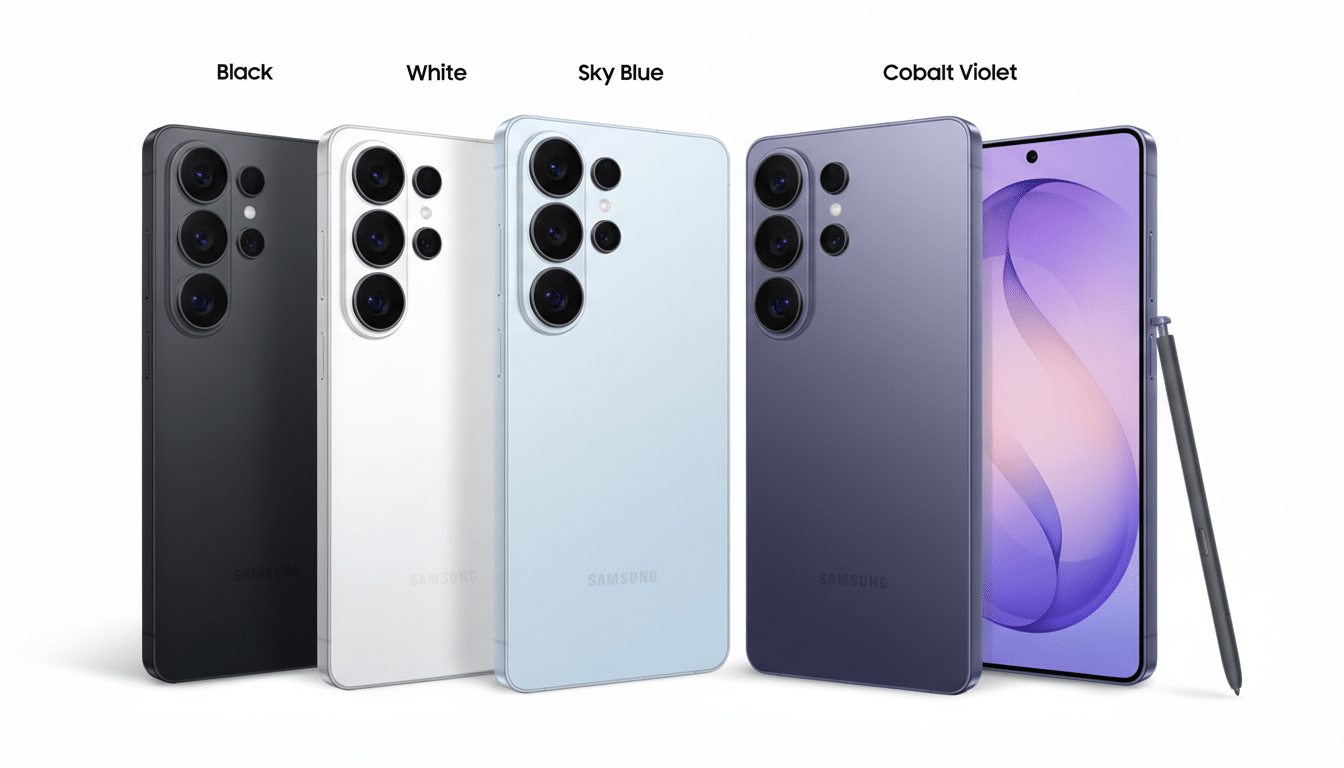
Both phones are big-screen brutes with 6.9‑inch 120Hz AMOLED panels that look pristine outdoors and silky in motion. Apple lists a 3,000‑nit peak, while Samsung’s exact peak figure wasn’t specified at launch, but its Ultra line historically competes at the highest tier. The S26 Ultra’s 214g weight is noticeably easier in pocket than the iPhone’s 233g, and Samsung’s integrated stylus support adds utility for quick annotations, signatures, and precision edits.
Performance and AI features: chip speed and daily smarts
Under the hood, Apple’s A19 Pro and Samsung’s customized Snapdragon 8 Elite Gen 5 for Galaxy are both top‑class. Apple’s single‑core efficiency remains excellent, but this cycle Samsung has the edge in raw throughput for gaming, image processing, and AI‑heavy workflows, in line with Qualcomm’s latest claims for on‑device inference gains.
AI is where the S26 Ultra feels ahead day to day. Galaxy AI puts assistive features front and center—from smarter image cleanup to “Now Nudge” for contextual suggestions—while deep Google Gemini integration can automate actions like drafting messages or setting up a ride with a single prompt. Apple Intelligence is promising but has had a cautious, phased rollout. Apple’s approach is privacy‑first, with on‑device processing and Private Cloud Compute for sensitive tasks, but Galaxy’s feature velocity is simply faster right now.
Cameras and video: zoom versatility versus pro filming
Samsung stacks the deck with a 200MP main sensor, 50MP 5x, 10MP 3x telephotos, and a 50MP ultrawide. That dual‑tele combo provides clean reach from 3x to 5x and beyond, which is invaluable for travel and events. In past testing, platforms like DxOMark have often rewarded phones that marry optical variety with strong computational photography; the S26 Ultra fits that playbook.
Apple counters with three 48MP sensors and its trademark color science and consistency. Where the iPhone 17 Pro Max really pulls ahead is video. The ability to shoot in ProRes RAW and open‑gate gives creators flexibility in post, and the App Store’s pro ecosystem—think FiLMiC Pro, Blackmagic Camera, and industry‑grade editors—remains unmatched. Storage matters here: iPhone goes up to 2TB versus Samsung’s 1TB, which is a crucial buffer if you capture lots of 4K or 8K footage.

Battery and charging: capacity, speed, and real impact
The iPhone 17 Pro Max lists a 5,088mAh pack with 25W wired and 25W wireless charging. Samsung’s 5,000mAh cell isn’t bigger, but its 60W wired charging is the difference maker. In practical terms, that means meaningfully shorter pit stops—handy for travelers and gamers. Wireless parity at 25W keeps both competitive on a nightstand or car mount.
Security and privacy: Apple’s stance versus Samsung tools
Apple’s privacy posture is well documented, from on‑device processing to stringent app review. Samsung answers with a novel Privacy Screen that can obscure portions of the display at the pixel level, reducing shoulder‑surfing risks without dimming the entire panel. It’s the rare privacy feature that’s both hardware and software—and it feels tailored for commuters, frequent fliers, and anyone handling sensitive work in public.
Ecosystems and longevity: platform fit and support spans
Living with either phone is as much about the ecosystem as the hardware. If your family uses iMessage, Screen Time, and AirDrop, the iPhone remains a frictionless hub. On the other hand, the Galaxy S26 Ultra plays broadly with Windows PCs, a wider variety of wearables, and Bluetooth accessories, and the S Pen is a bonus many don’t realize they’ll use until they have it.
For context, Android powers roughly 70% of global smartphones by active installed base, according to StatCounter, which means broader accessory choice in many regions. Yet iOS continues to drive a disproportionate share of consumer app spending—Sensor Tower has repeatedly shown iOS near 65%—which helps explain why pro‑grade creative tools often debut or get their deepest integrations on iPhone first.
Price and value: MSRP, storage tiers, and daily benefits
The iPhone 17 Pro Max starts at $1,199 with tiers up to a roomy 2TB. The Galaxy S26 Ultra starts at $1,299 and tops out at 1TB. Carriers and trade‑in programs can swing effective prices either way, but at MSRP, Apple undercuts Samsung by $100 while delivering more maximum storage for creators. Samsung counters with faster charging, lighter weight, and greater optical reach—value that’s tangible every single day.
Final call: which flagship to choose for your priorities
Both phones are elite. If we must pick one winner for most people, it’s the Galaxy S26 Ultra for its blend of performance headroom, rapid charging, flexible cameras, and aggressive AI features. Choose the iPhone 17 Pro Max if your priority is pro video, maximum storage, or seamless integration with Apple services. There’s no wrong answer here—but one feels a step ahead.
