


Samsung’s Galaxy S26 Ultra is breaking new ground in mobile filmmaking as the first smartphone to support the company’s Advanced Professional Video codec, or APV. Framed as a creator-first upgrade rather than a simple spec bump, APV promises “visually lossless” quality that holds up through repeated edits, supports HDR and Log capture, and records at up to 8K/30fps—marking a meaningful shift in how serious video can be captured on a phone.
What APV Brings to Mobile Filmmakers and Editors
APV is a royalty-free acquisition codec designed for professional workflows. Where mainstream formats like HEVC are optimized for compact storage and distribution, APV is tuned for resilience: it keeps detail and color fidelity intact even after multiple round-trips through editing and grading. In a media briefing, Samsung emphasized that APV’s “visually lossless” approach is built to survive the typical rigors of a post-production pipeline.
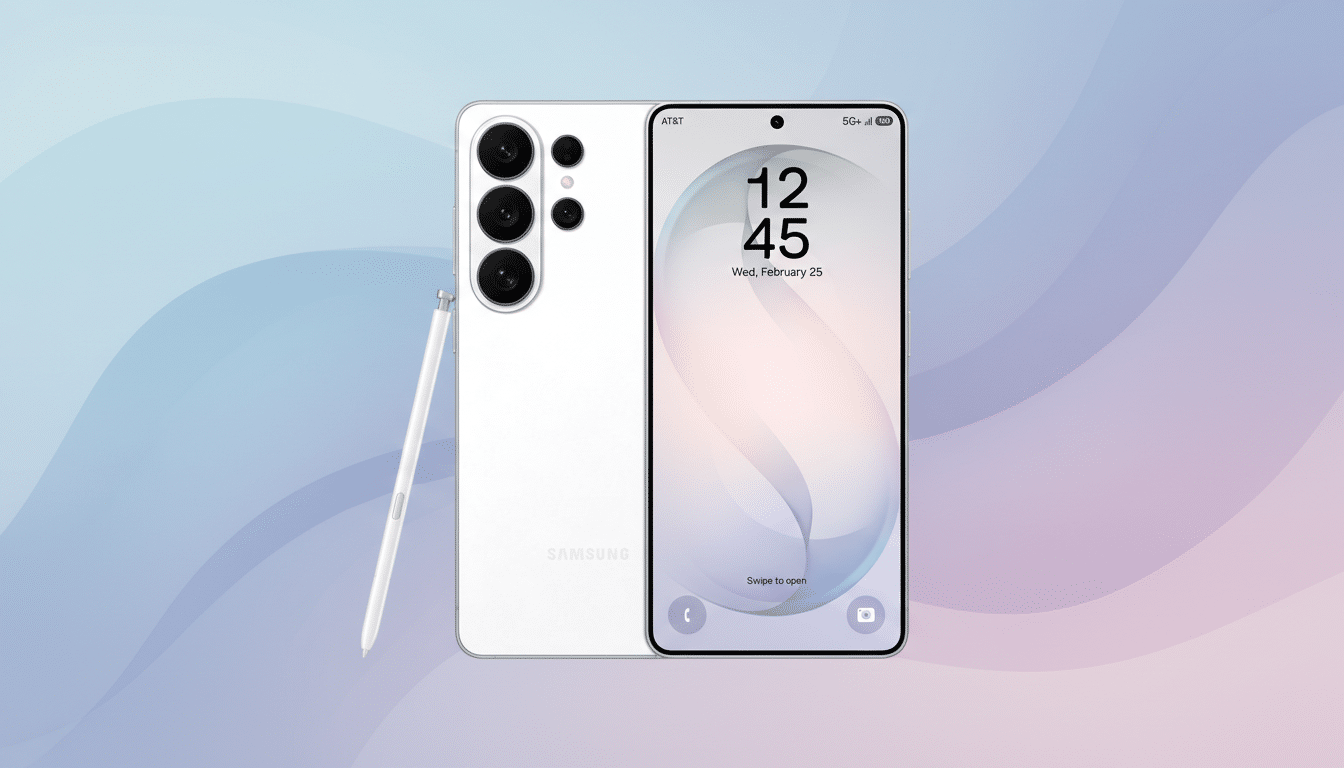
Crucially for colorists, the Galaxy S26 Ultra exposes two APV profiles—APV 422 HQ and APV 422 LQ—signaling 4:2:2 chroma subsampling. That bump in color resolution over the 4:2:0 used by most phone video translates into cleaner gradients, better skin tones, and stronger performance for chroma key work. Paired with Log capture, it gives creators more headroom to push looks without tearing apart the image.
How It Compares With HEVC and AV1 for Phone Video
HEVC remains the everyday default because it balances quality and file size. Samsung has previously said APV can trim file sizes by roughly 20% versus HEVC at comparable quality—solid savings given its pro-first goals. For sheer compression efficiency, AV1 can be up to 30% smaller than HEVC according to industry evaluations, though AV1 capture on phones is still rare and currently limited to select models like the Pixel 10 series. In short, AV1 is the leader for smallest files, while APV targets the highest edit-friendly quality.
There’s an obvious comparison to Apple’s ProRes on recent iPhones, which unlocked a wave of mobile-first productions. APV plays in that same tier of creator tooling but with a different angle: it’s royalty-free and purpose-built by Samsung for Android, potentially lowering barriers for broader OEM and app support over time. Whether APV becomes as ubiquitous as ProRes will depend on how quickly editors, camera apps, and NLEs integrate it, but the strategic intent is clear.
Profiles, Storage, and Workflow Considerations
APV’s two capture profiles offer practical flexibility. At 1080p/30fps, APV 422 HQ consumes about 1.5GB per minute, while APV 422 LQ lands near 750MB per minute. That split lets you tailor footage for the day’s needs—HQ for color-critical narrative or commercial spots, LQ for fast-moving documentary, live events, or behind-the-scenes reels where turnaround trumps absolute latitude.
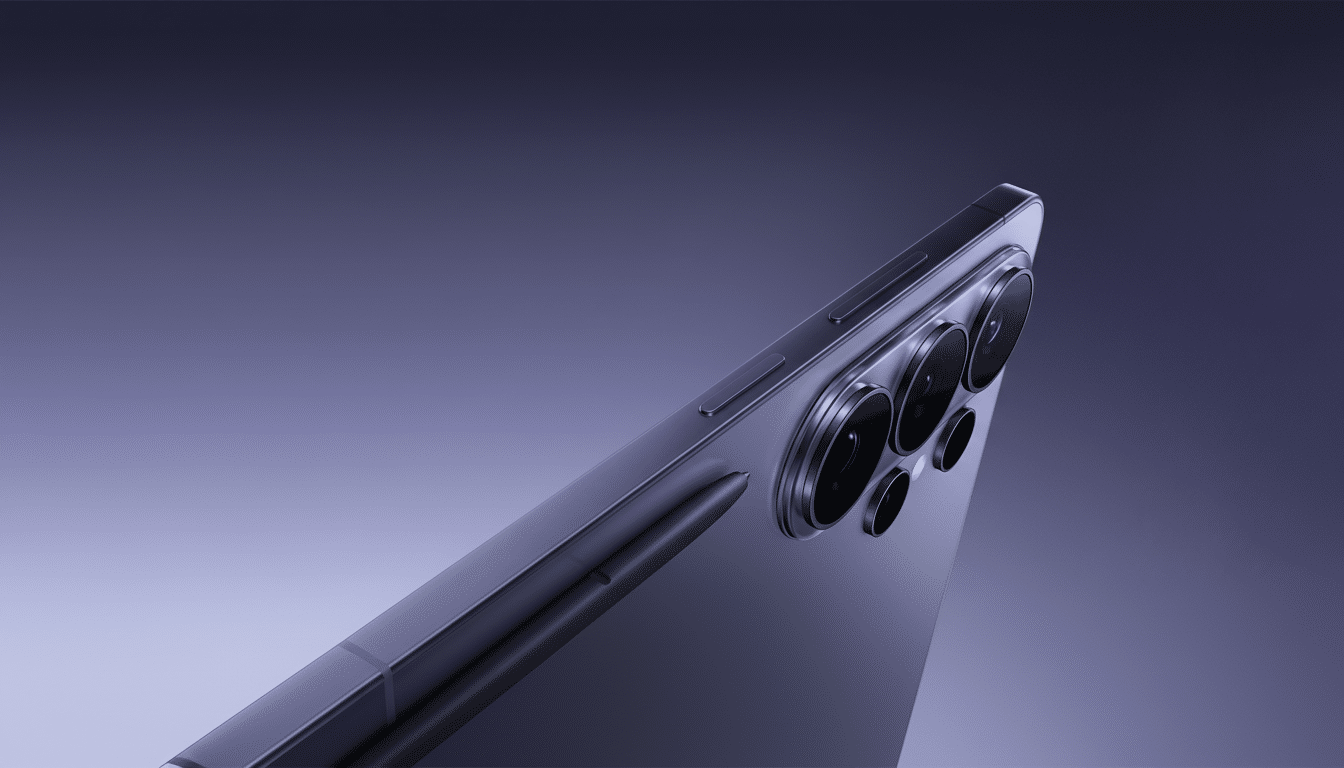
Storage management is often the bottleneck for phone-based production. The Galaxy S26 Ultra can write APV directly to external storage, a quality-of-life win for longer shoots. With 8K/30fps support, HDR and Log options, and pro-grade stabilization and lens choices, the camera stack finally feels cohesive: you can capture rich, gradable footage on-device and keep projects moving without babysitting free space.
Why This Upgrade Matters for Serious Mobile Video
Codec choice shapes everything from how clean your skies look after a heavy grade to whether skin tones hold together after a few exports. By bringing an edit-resilient, 4:2:2-tuned codec to a mainstream flagship, Samsung is closing the gap between phone video and dedicated mirrorless rigs for many use cases. News crews, solo creators, and social teams get more dependable footage straight from the device they already carry, and APV Log capture makes it easier to match smartphone clips with cinema cameras on multi-cam shoots.
There’s more to image quality than a codec—bitrate control, stabilization, lens transitions, and dynamic range still matter. But APV directly targets the weakest link that has long undermined phone video in post: compression that falls apart under creative pressure. Backed by Samsung’s sensor and processing improvements, it’s a meaningful step forward rather than a marketing checkbox.
The Takeaway for Creators Using Galaxy S26 Ultra
The Galaxy S26 Ultra’s APV debut is a watershed for Android video. It combines a professional, royalty-free codec with 8K/30 capture, HDR and Log support, and external recording—features that speak the language of editors and colorists, not just spec sheets. HEVC still makes sense for casual clips, and AV1 remains the compression efficiency champ, but APV is the new default for anyone who plans to grade, composite, or re-edit their footage extensively.
If adoption by major editing suites follows, APV could become a staple in mobile-first production. For now, the headline is simple: the Galaxy S26 Ultra is the first phone to treat video codecs like a serious creative tool, not a footnote—and that will change how professionals and ambitious creators shoot on a smartphone.
