


Samsung’s Galaxy S26 Ultra has arrived squarely aimed at Apple’s top dog, the iPhone 17 Pro Max. If you’re weighing which ultra-flagship earns your cash, the decision comes down to price, performance headroom, camera flexibility, display tech, and how much you value each ecosystem’s strengths.
Pricing and storage configurations for both flagships
Apple takes the entry-price win: iPhone 17 Pro Max starts at $1,199 for 256GB. Samsung asks $1,299.99 for the Galaxy S26 Ultra with the same storage. That $100 delta will matter for value hunters who don’t need Samsung’s extras.
- Pricing and storage configurations for both flagships
- Performance and hardware differences to consider
- Cameras and imaging strengths of each platform
- Displays and design differences, brightness and build
- Battery life expectations and charging capabilities
- Software support, AI features, and device longevity
- Bottom line: which flagship better fits your needs
Storage ceilings diverge meaningfully. Galaxy S26 Ultra tops out at 1TB (with 256GB and 512GB tiers below). iPhone 17 Pro Max adds a fourth option at 2TB, which remains unmatched in mainstream phones and will appeal to pro video shooters and travelers who live offline.
Memory is the reverse story. The S26 Ultra offers 12GB or 16GB of RAM, useful for heavy multitasking and AI features. iPhone 17 Pro Max is equipped with 12GB, per third-party teardowns often cited by iFixit and Geekbench listings. iOS’s tight optimization narrows the real-world gap, but Samsung’s 16GB variant provides more overhead for future-proofing.
Performance and hardware differences to consider
Under the hood, Apple’s A19 Pro and Qualcomm’s Snapdragon 8 Elite Gen 5 for Galaxy represent the best each platform offers. Expect Apple to lead in single-core CPU efficiency and certain GPU-bound creative apps, while the Snapdragon’s multi-core bursts and AI accelerators shine in on-device generative features and camera computation. The previous generation’s cross-platform benchmarks from outlets like AnandTech and Geekbench suggest both chips trade blows depending on workload, and sustained performance will hinge on thermal design as much as raw silicon.
If you rely on specialized apps—think Pro video capture, CAD viewers, or ML tools—prior testing within your ecosystem still matters more than spec sheets. Apple’s developer-first optimization remains a strength; Samsung counters with broader codec support and desktop-style DeX for docked productivity.
Cameras and imaging strengths of each platform
Samsung loads the S26 Ultra with four rear cameras: a 200MP wide, 50MP ultrawide, and dual telephotos at 5x (50MP) and 3x (10MP), plus a 12MP selfie camera. Apple fields three 48MP lenses—wide, ultrawide, telephoto—and an 18MP front camera on the 17 Pro Max.
On paper, Samsung’s dual-tele setup grants more optical reach options and cleaner zoom across mid to long ranges. The 200MP sensor enabling 16-to-1 pixel binning should boost low-light detail while keeping file sizes manageable. Apple typically answers with image processing that preserves skin tones and consistency shot-to-shot; its Pro workflows—such as ProRes and LOG profiles—remain a magnet for creators who want tighter color pipelines. Independent labs like DXOMark and studio test charts will tell the fuller story, but the early read is this: pick Samsung for zoom versatility, Apple for color science and pro video guardrails.
Displays and design differences, brightness and build
Both phones stretch to big 6.9-inch OLEDs with 120Hz adaptive refresh. Brightness is a split decision: Apple claims up to 3,000 nits peak on the iPhone 17 Pro Max, while Samsung lists 2,600 nits for the S26 Ultra—advantage iPhone for sunlit readability.
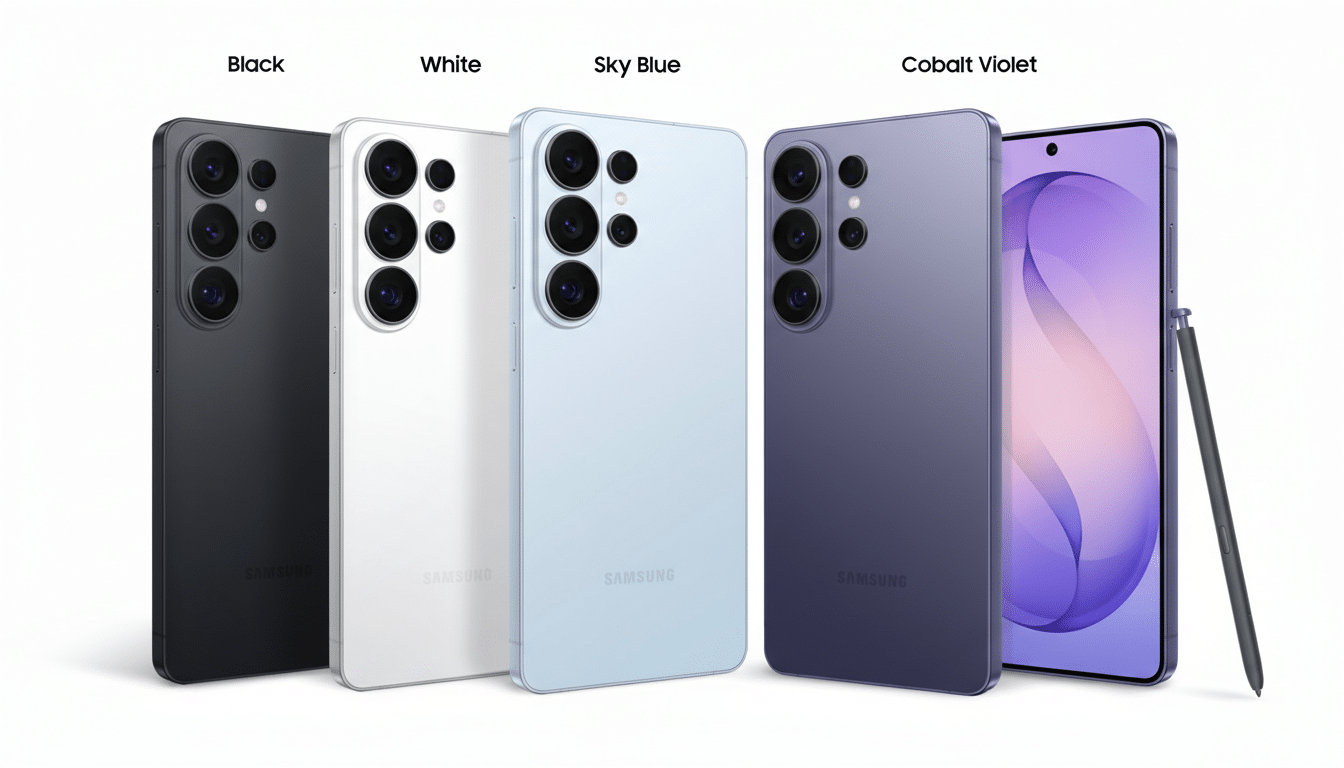
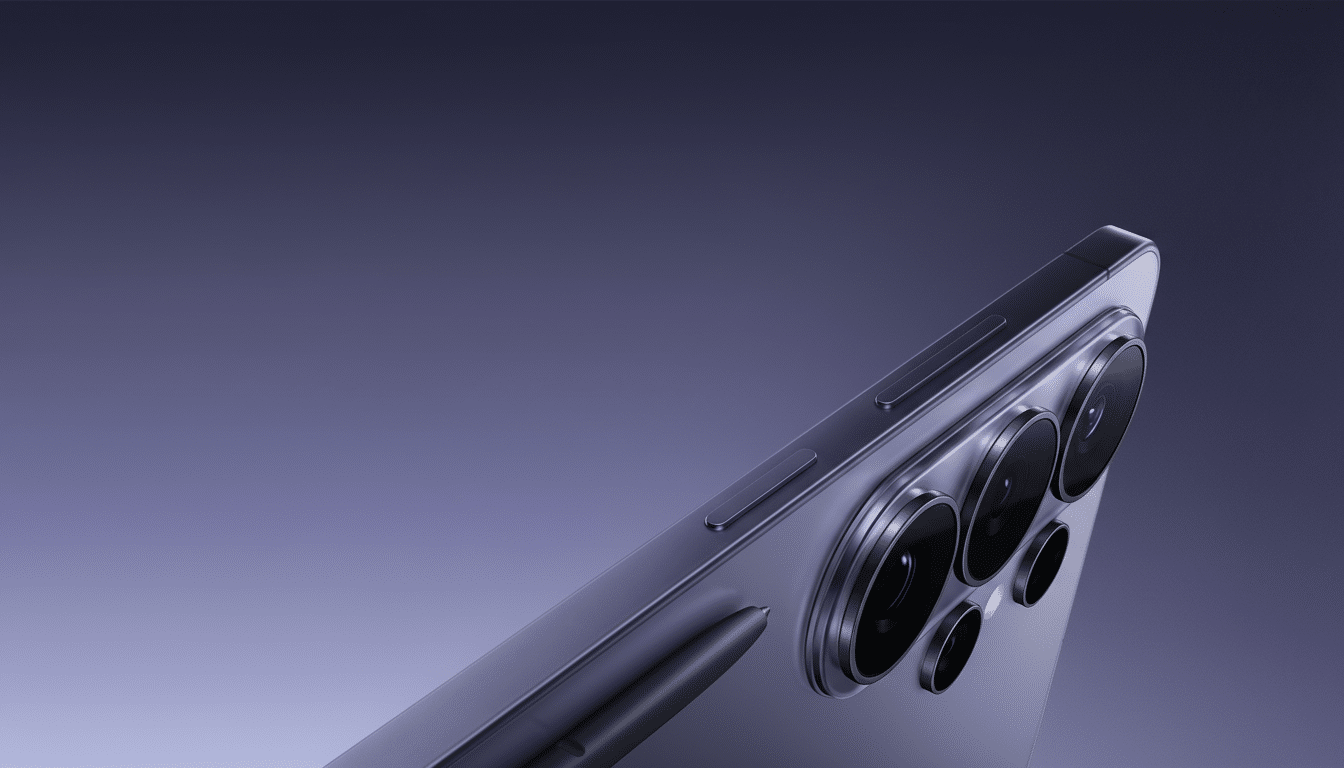
Samsung’s headlining trick is a built-in Privacy Display that can be toggled to obscure on-screen content from side glances—an industry first that road warriors and commuters will appreciate. In design, Apple’s camera shelf spans nearly the phone’s width, whereas Samsung opts for a cleaner, stacked-lens layout with minimal bump. Colorways skew broader on Samsung (cobalt violet, sky blue, black, white, plus online exclusives like pink gold and silver shadow) versus Apple’s tighter palette (cosmic orange, silver, deep blue).
Battery life expectations and charging capabilities
A leaked EU energy label listing pegs Galaxy S26 Ultra endurance at up to 55 hours, a bullish sign that aligns with Qualcomm’s efficiency gains. Real-world results will vary with 5G, camera, and gaming use, so independent drain tests from reviewers and labs will be crucial.
Both phones charge over USB-C. Historically, Samsung supports faster wired top-ups than Apple, as repeated by ChargerLab’s multi-gen testing, while Apple leans on ecosystem polish with MagSafe accessories. If you refuel mid-day, pay attention to charger compatibility and advertised peak wattage; if you mostly trickle charge overnight, longevity and thermal management matter more than raw speed.
Software support, AI features, and device longevity
Samsung’s recent policy promises up to seven years of Android OS upgrades and security updates on its flagships, a major shift that puts it neck and neck with Apple’s long-standing support window. Apple typically delivers iOS updates for five to seven years, which keeps older Pro Max models secure and snappy. On-device AI is a key battleground: Galaxy AI features like live translation and generative editing are becoming fixtures, while iPhone 17 Pro Max leans into system-level intelligence and seamless handoffs across Mac and iPad. According to Counterpoint Research, ecosystem lock-in remains a top driver of loyalty, so factor in your laptop, tablet, and wearables before switching camps.
Bottom line: which flagship better fits your needs
Choose Galaxy S26 Ultra if you want maximum zoom flexibility, a larger RAM option for heavy multitasking, the innovative Privacy Display, and you can live with a slightly higher starting price. Opt for iPhone 17 Pro Max if you prioritize peak outdoor brightness, the 2TB storage ceiling, tight app optimization, and pro-grade video integrations that dovetail with the broader Apple ecosystem.
Both are elite. Your best pick hinges less on raw horsepower and more on which device aligns with how you shoot, create, charge, and collaborate every day.
